







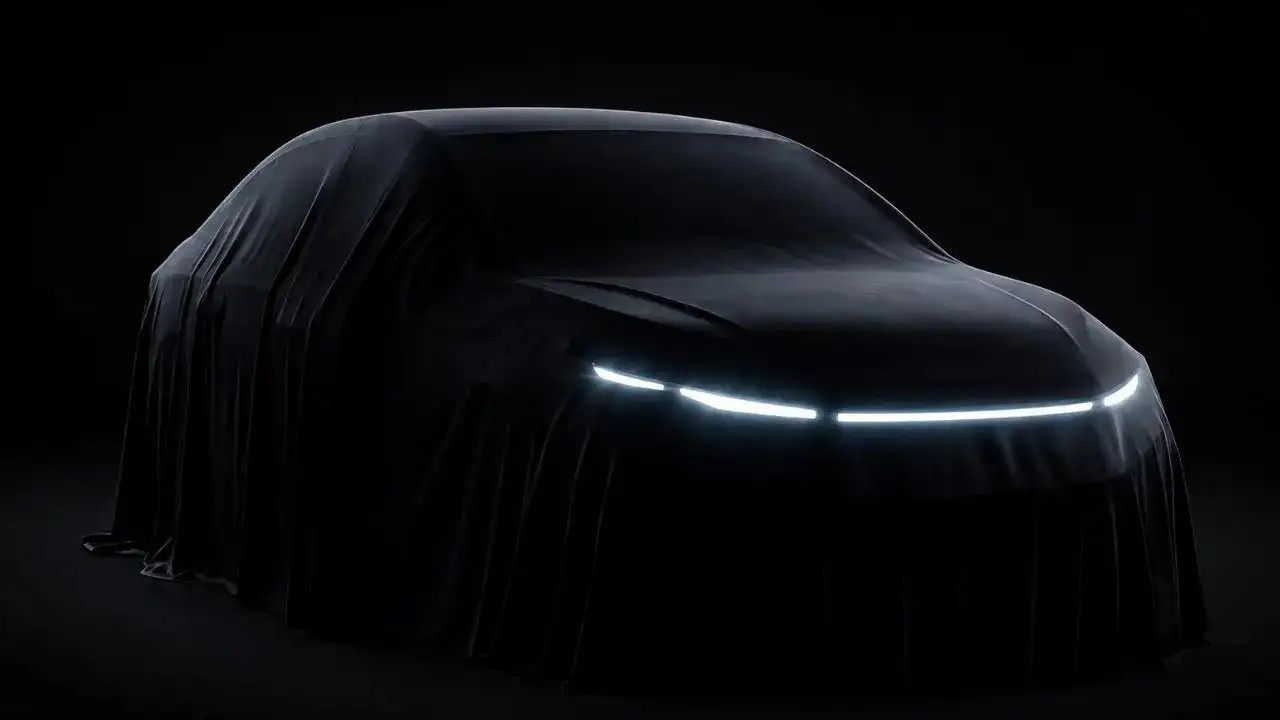


Honda has officially teased the updated version of its popular midsize sedan, the Honda City, ahead of its India launch scheduled for May 22, 2026. The model has been one of the most consistent performers for Honda in the Indian market since its debut in 1998.
The teaser indicates a refreshed design language and enhanced features, aimed at strengthening the City’s position in the highly competitive midsize sedan segment. The update comes at a time when manufacturers are focusing heavily on technology upgrades and premiumisation to retain sedan buyers amid rising SUV dominance.
Design updates and exterior changes
The teaser reveals a heavily camouflaged vehicle, but several key design elements are still visible. The facelifted City is expected to feature a sharper and more modern front fascia, including slimmer LED headlamps and a redesigned grille with horizontal slats.
A connected lighting signature with an LED light bar may also be introduced, giving the sedan a more premium appearance. The bumper design is expected to be sportier with larger air intakes and sharper edges.
While the side profile is likely to remain largely unchanged, Honda may introduce newly designed alloy wheels to differentiate the facelift from the outgoing version. At the rear, updated LED tail lamps are also expected, potentially with a revised lighting signature for better road presence.
Engine and performance expectations
Mechanically, the facelifted Honda City is expected to remain unchanged. It will likely continue with the 1.5-litre naturally aspirated petrol engine, paired with a 6-speed manual gearbox and a CVT automatic transmission option.
The strong hybrid version, known as the e:HEV variant, is also expected to continue. This powertrain combines a petrol engine with an electric motor setup, focusing on improved fuel efficiency and smoother urban driving.
Honda’s decision to retain the existing engine lineup suggests that the update will focus more on design refinement and feature upgrades rather than mechanical changes.
Features and technology upgrades
The upcoming facelift is expected to bring a noticeable boost in technology and comfort features. A larger infotainment touchscreen with wireless Android Auto and Apple CarPlay support is likely to be introduced.
Higher variants may also receive ventilated front seats, a fully digital instrument cluster, and a 360-degree camera system. A powered driver seat and possibly a panoramic sunroof could also be added to enhance premium appeal.
On the safety front, the updated City is expected to come with an upgraded ADAS (Advanced Driver Assistance System) suite, improving features like lane assistance, adaptive cruise control, and collision mitigation support.
These upgrades are aimed at keeping the City competitive against newer rivals that already offer feature-rich cabins.
Price positioning and rivals
The facelifted Honda City is expected to retain its premium positioning in the midsize sedan segment, with prices likely starting above ₹12 lakh (ex-showroom).
It will continue to compete with key rivals such as the Hyundai Verna, the Volkswagen Virtus, and the Skoda Slavia.
With competition intensifying in this segment, especially from turbo-petrol and feature-loaded sedans, Honda is expected to position the facelift as a balanced offering of reliability, comfort, and updated tech rather than aggressive performance.
Conclusion
The Honda City facelift represents a strategic refresh aimed at keeping one of India’s most trusted sedans relevant in a fast-evolving automotive market. While mechanical changes appear minimal, the focus on design upgrades, interior tech improvements, and safety enhancements could help it maintain strong appeal among sedan buyers.
With its official unveiling just days away, expectations remain high for Honda’s next move in India’s competitive midsize car segment.