









London: The British Army is moving ahead with plans to replace its ageing Land Rover and Pinzgauer fleets, with several global automakers and defence companies putting forward vehicles for the Ministry of Defence’s Light Mobility Vehicle (LMV) programme. Among the publicly presented contenders are the Toyota Land Cruiser 70 Series, Mercedes-Benz G-Class, Jaguar Land Rover Defender, Ineos Grenadier, Ford Ranger and a hybrid-electric vehicle from Fering Technologies.
The programme is expected to become one of Britain’s major military vehicle procurement exercises, with the Ministry of Defence estimating the contract at £2 billion excluding VAT, or around £2.5 billion including VAT. Options could eventually take the fleet beyond 9,500 vehicles.
British Army begins search for Land Rover successor
The British Army began retiring its iconic Land Rover fleet in March 2026 after more than 70 years of service. The Ministry of Defence said more than 5,000 Land Rovers were still in service across the UK military in 2025.
The Land Rover fleet has traditionally been used for patrols, command liaison duties and transporting personnel and equipment. The LMV programme is intended to provide a modern replacement for much of the ageing fleet, with the first new vehicles expected to reach soldiers by 2030.
The competition is not limited to a single vehicle type. The MoD is seeking a family of light mobility vehicles capable of performing different military roles.
Toyota Land Cruiser 70 Series enters the race
Babcock International, in collaboration with Supacat and Toyota, has proposed a General Logistics Vehicle family based on the Toyota Land Cruiser 70 Series and Hilux platforms.
The Land Cruiser 70 has a long history of use in demanding environments around the world. Under Babcock’s proposal, the commercially based vehicles would receive substantial military-specific modifications before being deployed.
Babcock has said that its proposed vehicles would undergo military adaptation in the UK, with a network of British small and medium-sized enterprises involved in supplying specialist components. The company has also highlighted the possibility of retaining a substantial share of programme value within the UK.
The Toyota-based proposal therefore combines an established off-road platform with modifications intended for military requirements.
Mercedes G-Class also among contenders
Rheinmetall UK has teamed up with Mercedes-Benz to offer the military G-Class family for the programme.
The proposal includes the Mercedes-Benz military G-Class range and potentially the Caracal airborne vehicle. The Caracal has been selected by the German and Dutch armed forces and is designed around requirements including air transportability and modularity.
The G-Class has a long association with military and security applications in different markets. For the British requirement, Rheinmetall is proposing UK-based modification, integration and support as part of its offering.
The bid puts a well-established military vehicle family into competition with commercial-derived 4x4s and newer designs.
Defender Wolf Series II continues Land Rover legacy
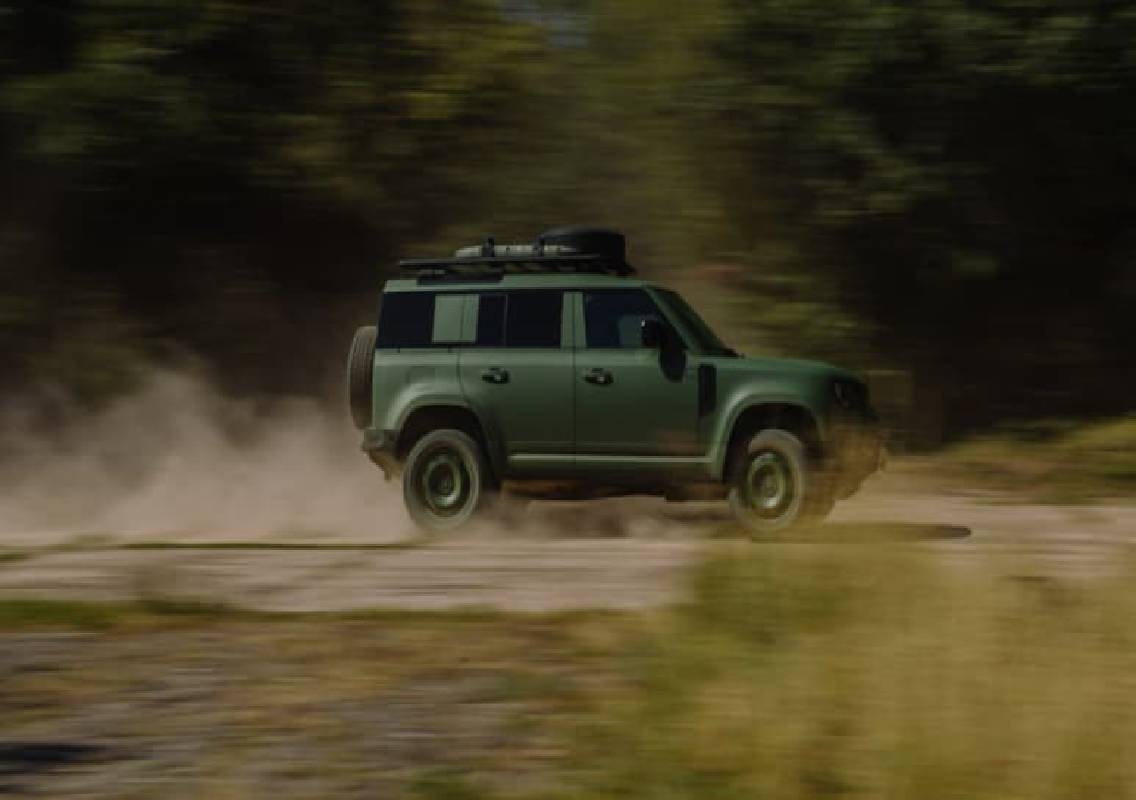
Jaguar Land Rover is also competing through a consortium proposing the Defender Wolf Series II.
The vehicle is based on the Defender’s D7x architecture and is being developed specifically for military applications. Proposed versions include tactical, general mobility, ambulance and utility configurations.
The bid would continue the British Army’s long association with Land Rover, which has supplied military vehicles for decades.
JLR has showcased several Wolf Series II variants at defence events as it seeks to secure the replacement programme. The company says the platform can be adapted to different operational requirements.
Ineos Grenadier joins competition
Ineos Automotive is proposing its Grenadier and Quartermaster family for the LMV requirement.
The Grenadier is built on a ladder-frame platform and is manufactured at Hambach in France. For the British military programme, Ineos has partnered with UK supply-chain and defence companies to adapt the vehicle and provide long-term support.
The company has pointed to the vehicle’s existing use by European police and border-security agencies as part of its case for the platform.
Ford, General Motors and Fering offer alternatives
The competition also includes proposals based on American pickup trucks.
Team LionStrike, comprising GM Defense, BAE Systems and NP Aerospace, has proposed vehicles derived from the Chevrolet Colorado and Silverado. The package includes different configurations for troop transport, logistics and other military roles.
General Dynamics, Ford and Ricardo are proposing militarised versions of the Ford Ranger and Ranger Super Duty. The proposal includes UK engineering and integration work, with Ford’s Dagenham facility potentially playing a role in the programme.
A more unconventional proposal comes from London-based Fering Technologies. Its Pioneer X is a hybrid-electric light mobility vehicle designed in the UK. The company claims the vehicle can provide silent electric-only operation and substantial exportable electrical power.
Procurement could involve thousands of vehicles
The scale of the programme is substantial. The MoD’s estimate of £2 billion excluding VAT covers the initial procurement and associated options, with the potential fleet size exceeding 9,500 vehicles. The final quantity has not yet been fixed.
The competition is also expected to have implications for Britain’s domestic defence and automotive supply chains. Several bidders have highlighted UK-based engineering, manufacturing, vehicle integration or long-term maintenance as part of their proposals.
The British government has previously said the LMV programme will provide opportunities for British-based businesses through vehicle support and maintenance.
Trials and contract decision ahead
The formal shortlist has not yet been publicly confirmed. Companies had until September 1, 2026, to request participation, after which the Ministry of Defence planned to select no more than seven teams for further dialogue and vehicle trials.
The reported timetable envisages vehicle trials between October 2026 and January 2027. A contract award decision is currently expected by May 31, 2027, although procurement schedules can change.
The final selection will determine which vehicle family replaces a significant portion of the British Army’s longstanding Land Rover and Pinzgauer fleets.
Conclusion
The British Army’s search for a new Light Mobility Vehicle has attracted a wide range of contenders, from the Toyota Land Cruiser 70 and Mercedes-Benz G-Class to the Defender Wolf Series II, Ineos Grenadier, Ford Ranger and Fering Pioneer X. The competition is still progressing, with vehicle trials and further procurement stages expected before a final decision in 2027.