







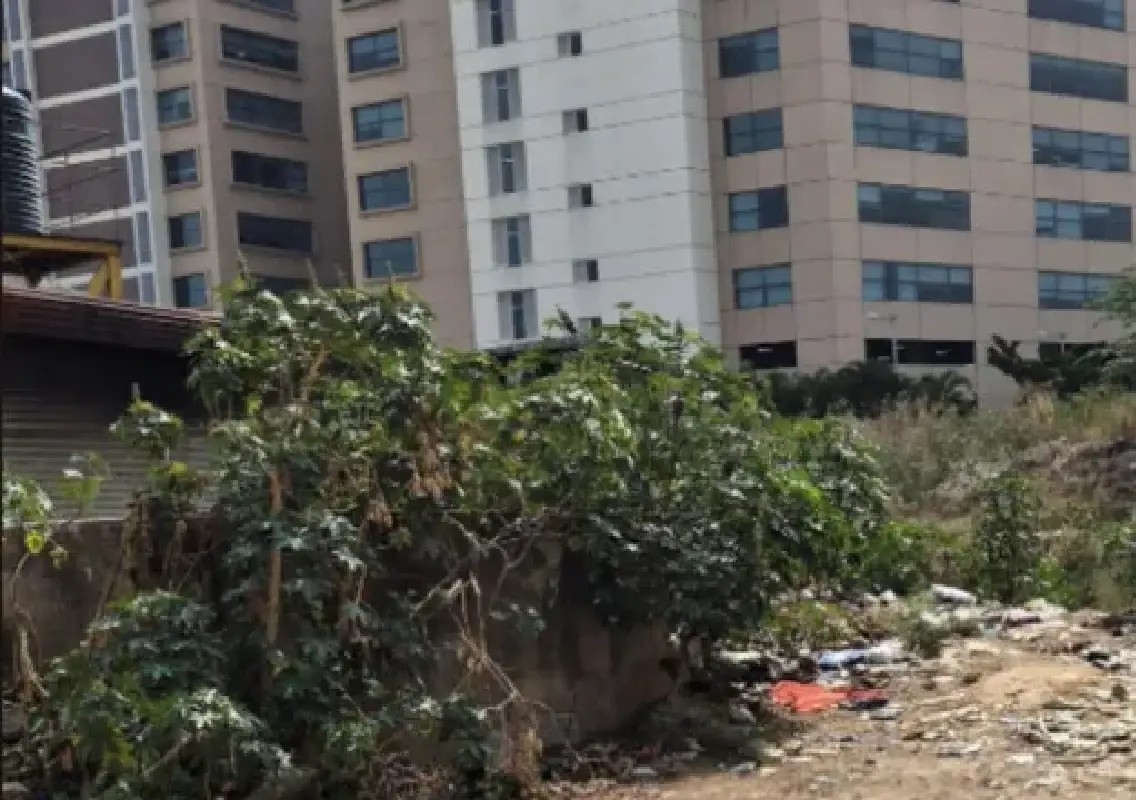


A Bengaluru resident’s viral social media post highlighting the poor condition of roads and civic infrastructure in Munnekolala has triggered widespread discussion about urban planning and governance in the city’s rapidly developing neighbourhoods.
The post featured a photograph showing a damaged road filled with sewage and slush near major technology parks that house several multinational companies.
Resident questions state of infrastructure
Expressing frustration, the resident said it was unacceptable for taxpayers to live amid such conditions despite paying high rents and contributing significantly to the city’s economy.
The post contrasted the condition of newer localities with established areas such as Jayanagar, Basavanagudi and Malleswaram, arguing that Bengaluru’s older neighbourhoods continue to benefit from better planning and infrastructure.
The user also urged residents to raise their voices and demand accountability from elected representatives and civic authorities.
Concerns over rising rents and poor planning
The resident pointed out that many people living in these localities spend a substantial portion of their monthly income on rent, yet continue to face inadequate roads, drainage problems and poor maintenance.
The post questioned whether Bengaluru’s infrastructure growth has kept pace with the city’s rapid expansion, especially in areas surrounding major IT hubs.
Social media users weigh in
The post quickly gained traction online, with many users agreeing that infrastructure challenges have become a city-wide concern.
Some users alleged that unregulated development, illegal constructions and improper sewage disposal have contributed to the deterioration of roads and drainage systems in several parts of Bengaluru.
Others argued that civic issues often remain unresolved in localities that lack strong political representation or influence.
Calls for long-term solutions
The discussion has once again highlighted concerns over Bengaluru’s urban infrastructure, particularly in fast-growing residential and commercial zones.
Residents and civic activists have repeatedly called for better planning, stricter enforcement of building regulations and improved coordination among government agencies to address the city’s growing infrastructure challenges