

Mangaluru: The St Aloysius Institute of Management and Information Technology (AIMIT), a constituent campus of St Aloysius (Deemed to be University), recorded 51 bird species during the Campus Bird Count (CBC) 2026, conducted on February 14 and 15 at its 17-acre campus near Kotekar Beeri.
The event formed part of the nationwide Great Backyard Bird Count, organised by Bird Count India in collaboration with eBird.
Survey conducted with student participation
The Campus Bird Count was conducted under the guidance of Mr Kiran Vati K and Mr Glavin Thomas Rodrigues, Assistant Professors in the Department of Zoology, with active participation from faculty members and students.
The survey involved systematic observation and documentation of birdlife across different habitat patches within the campus.
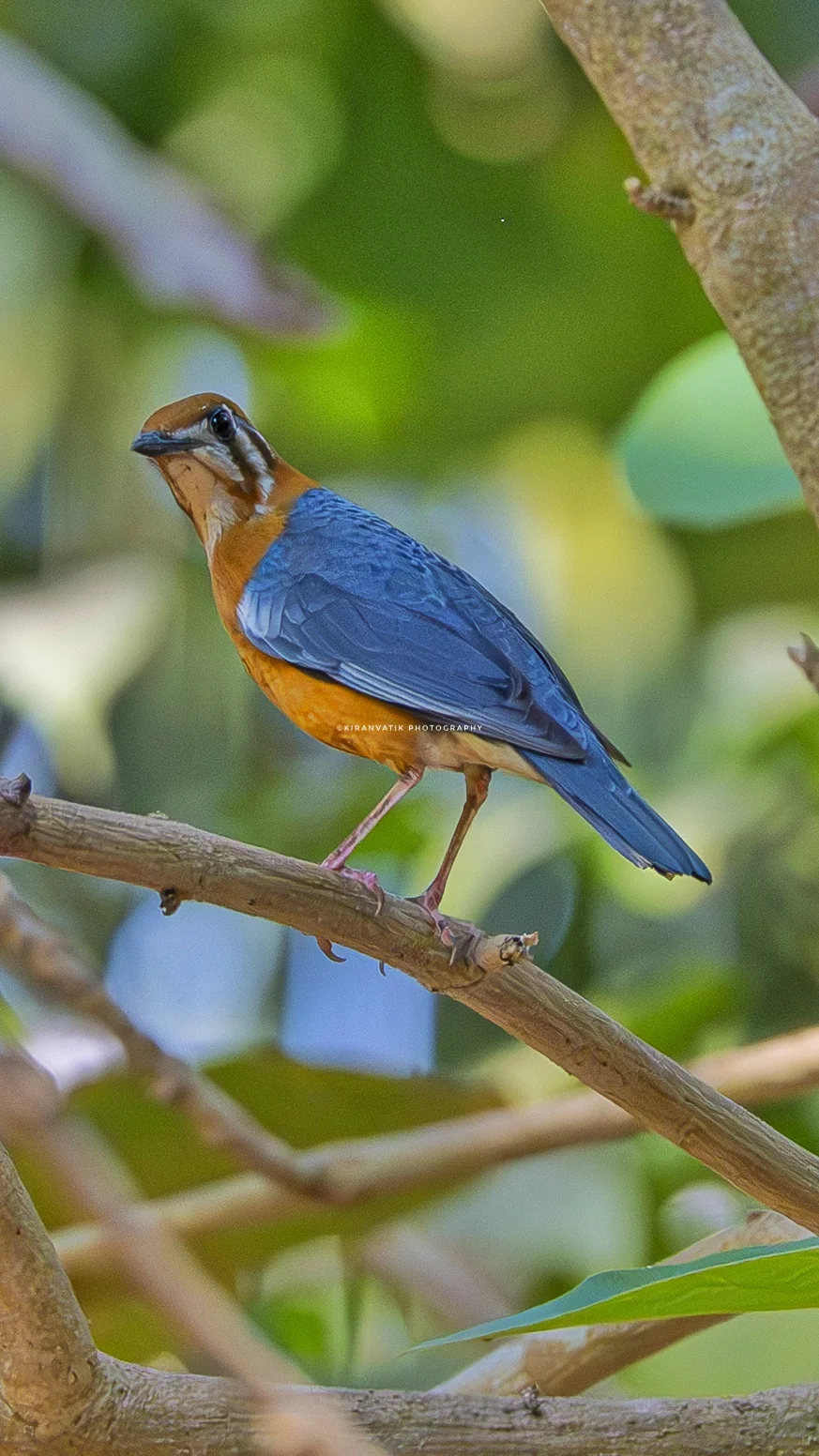
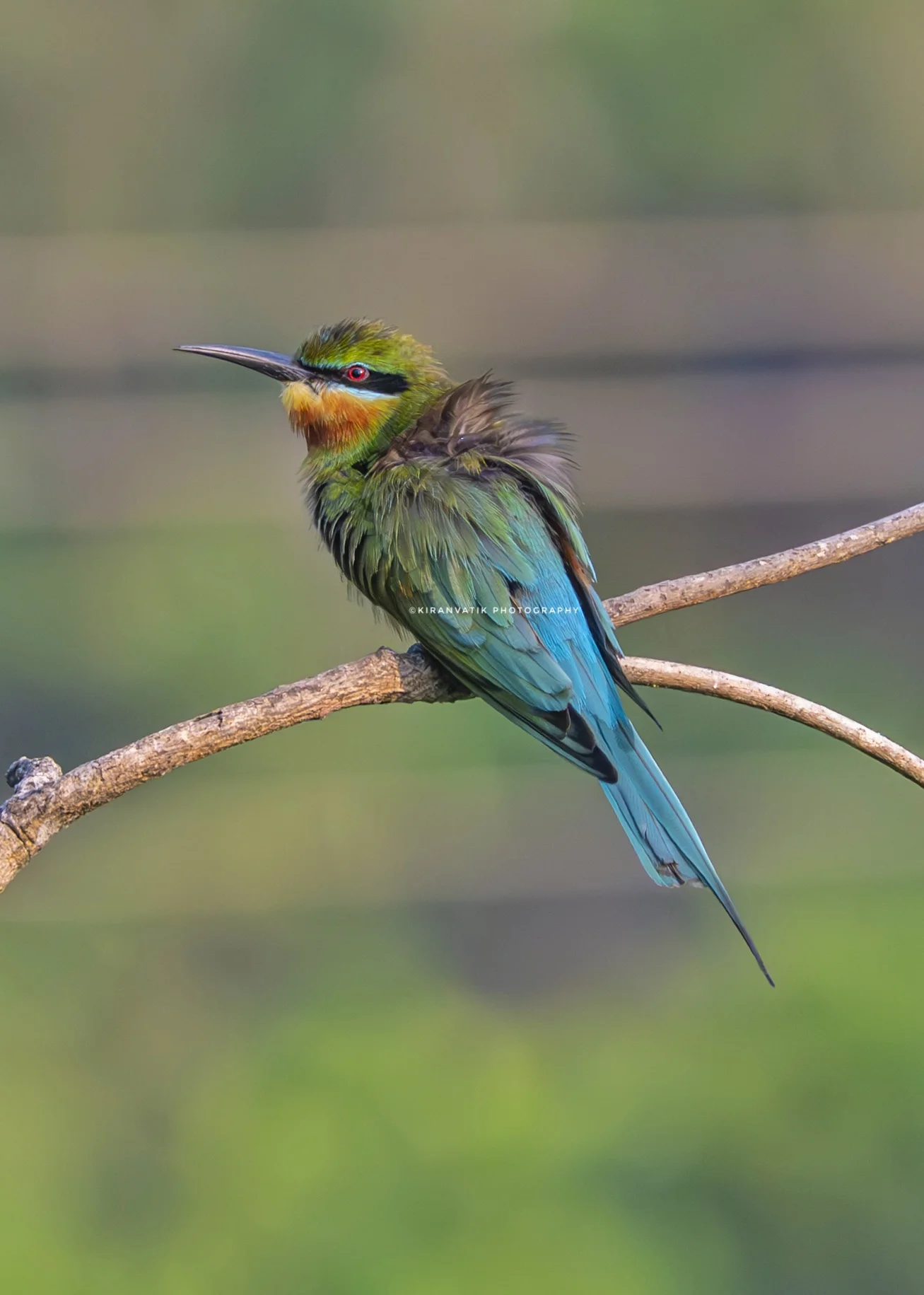
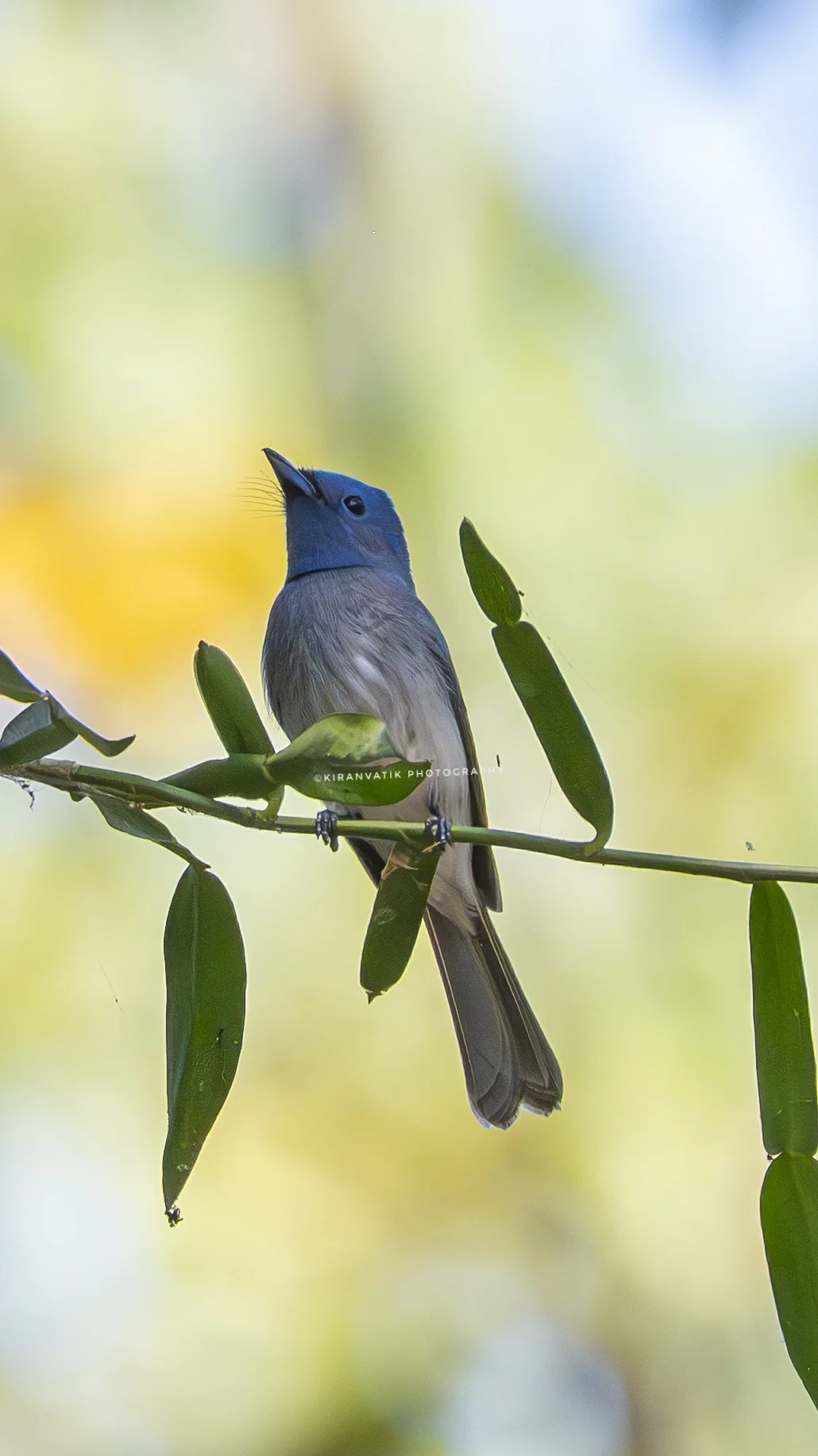
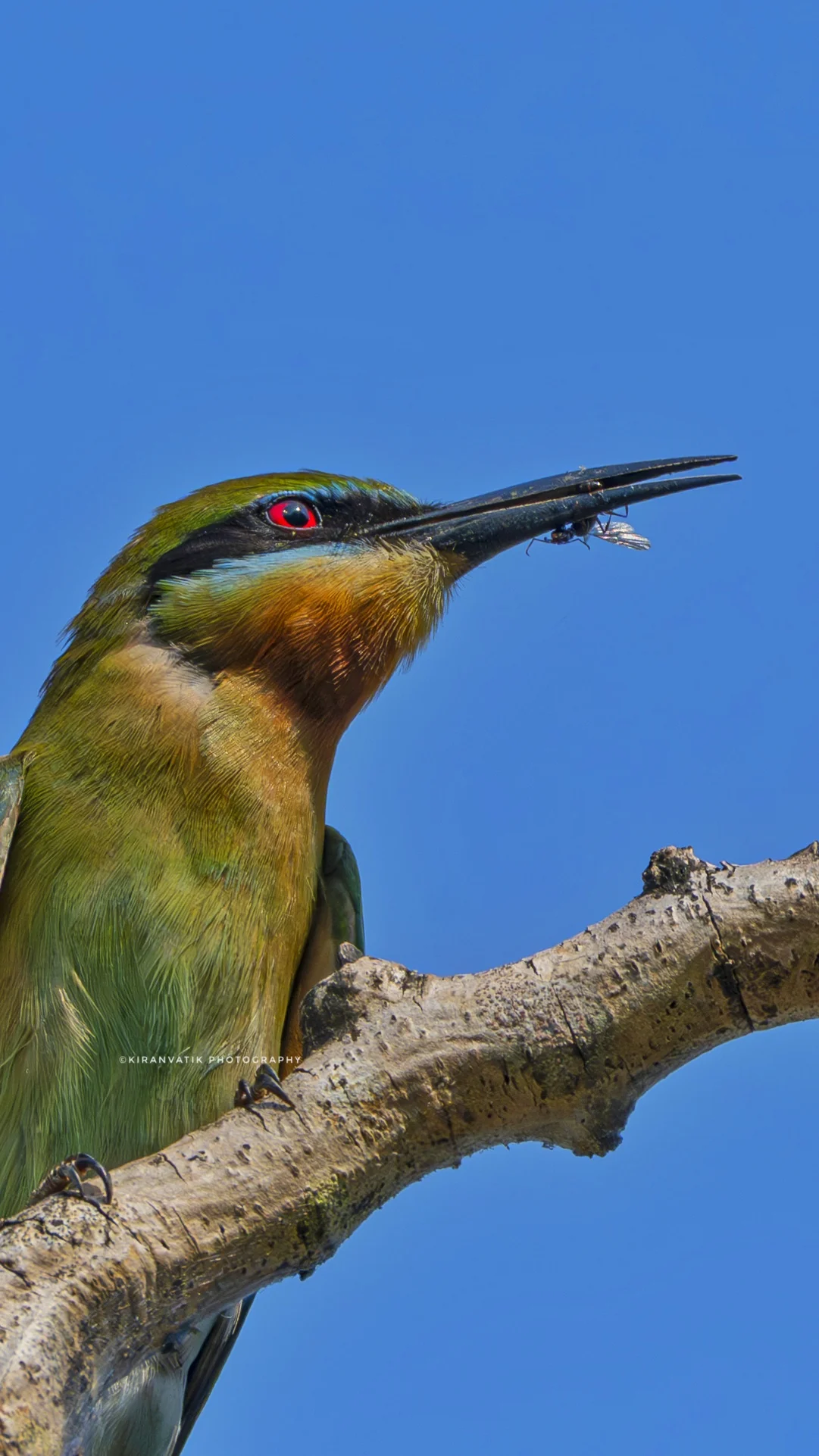
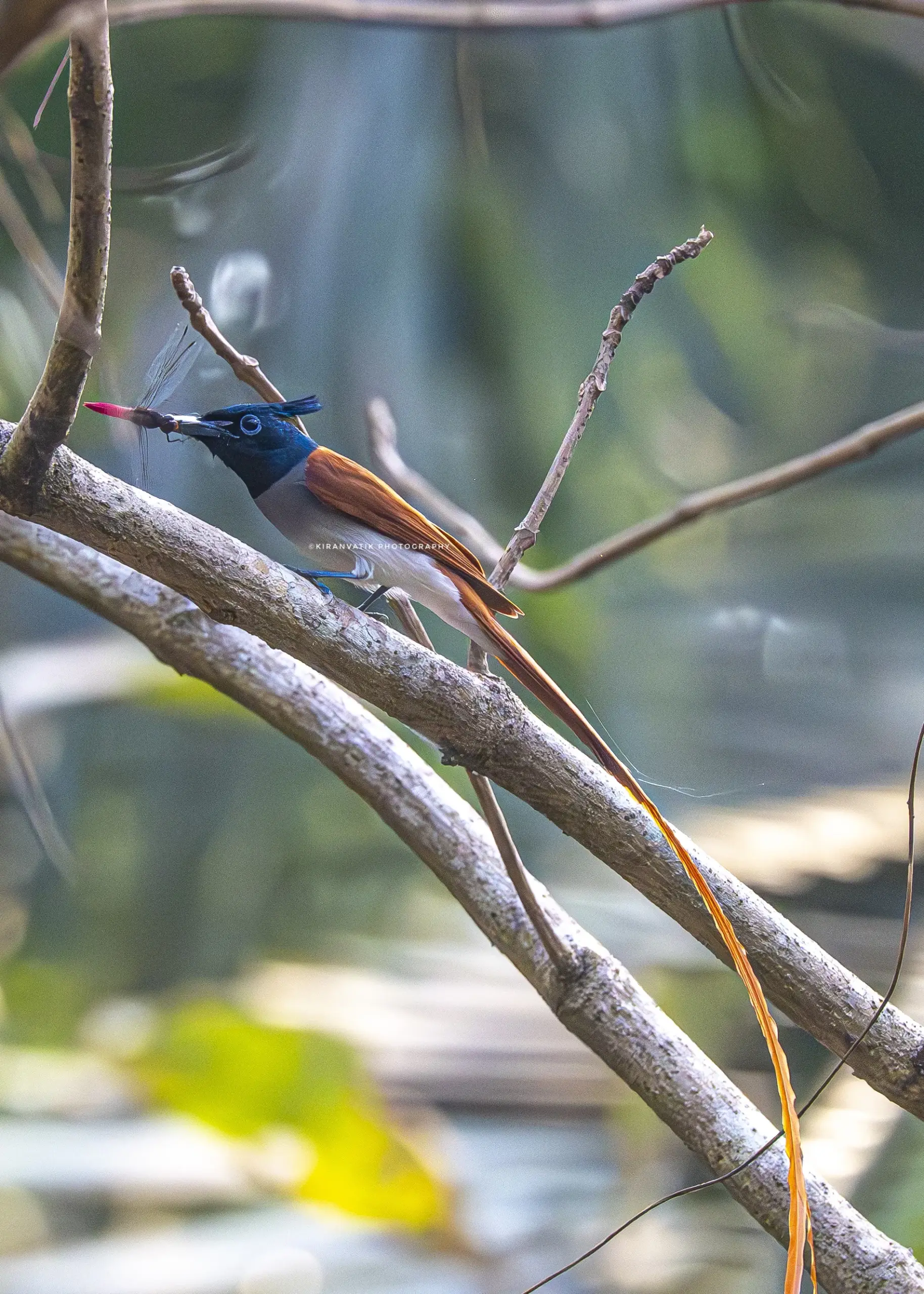
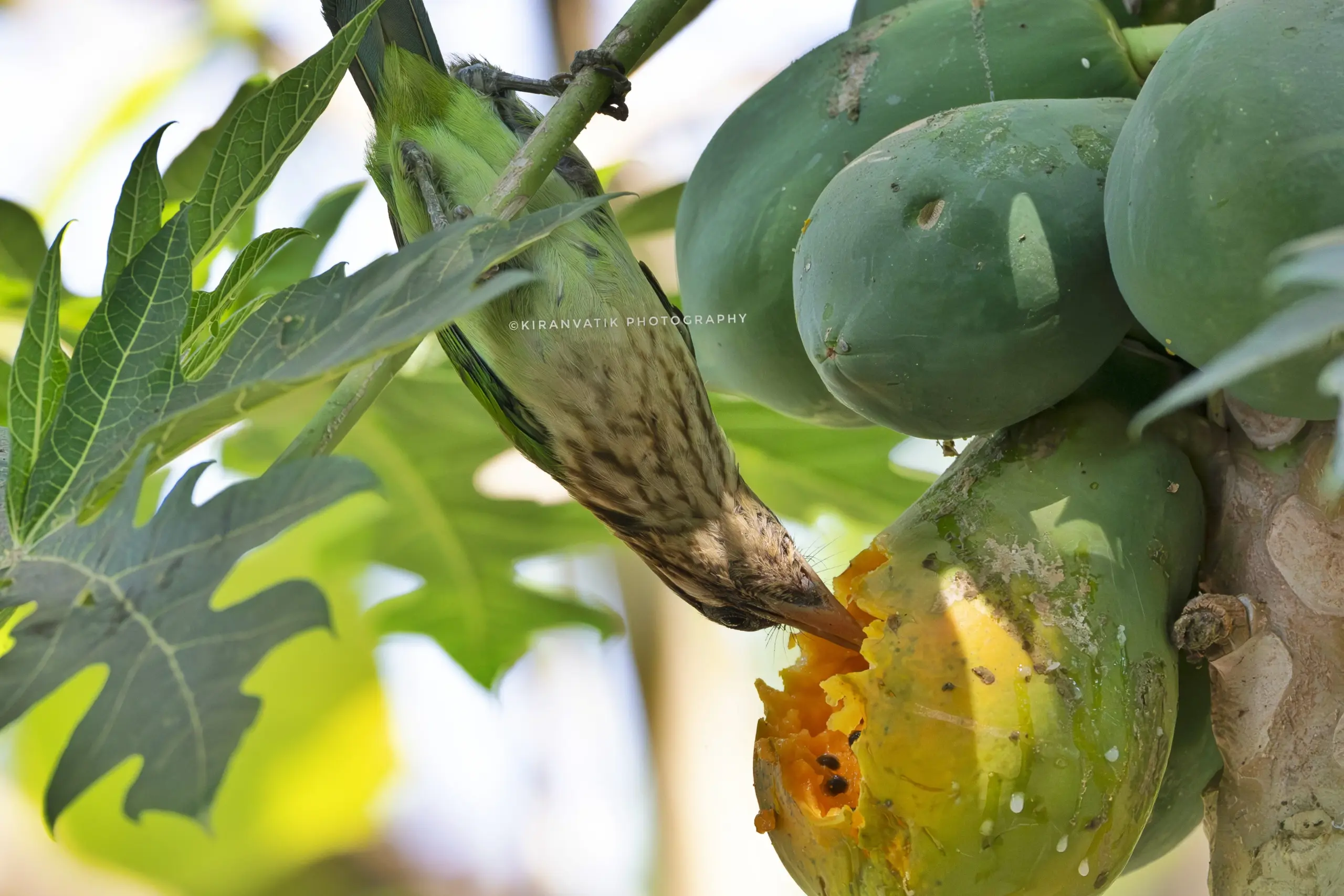
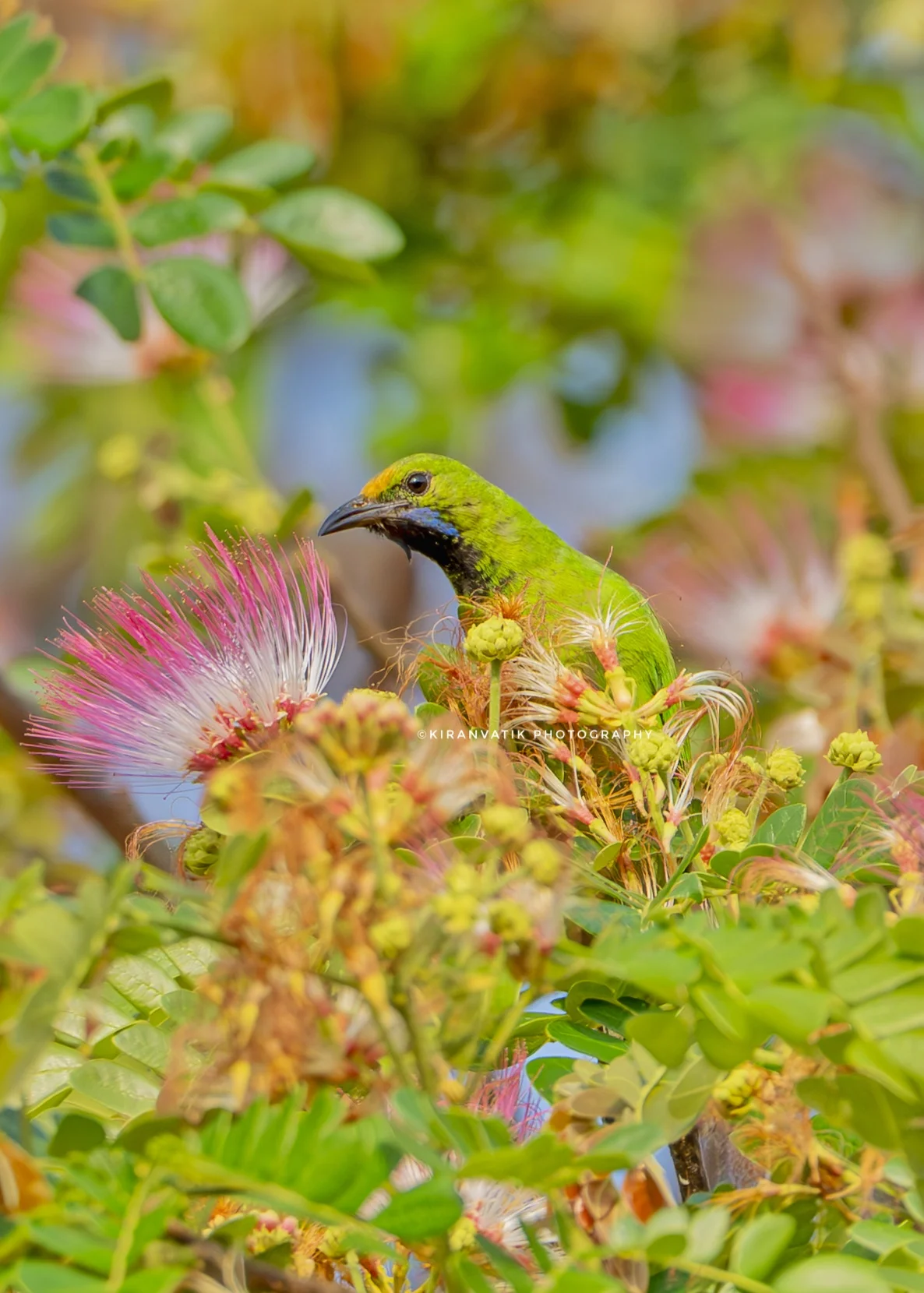
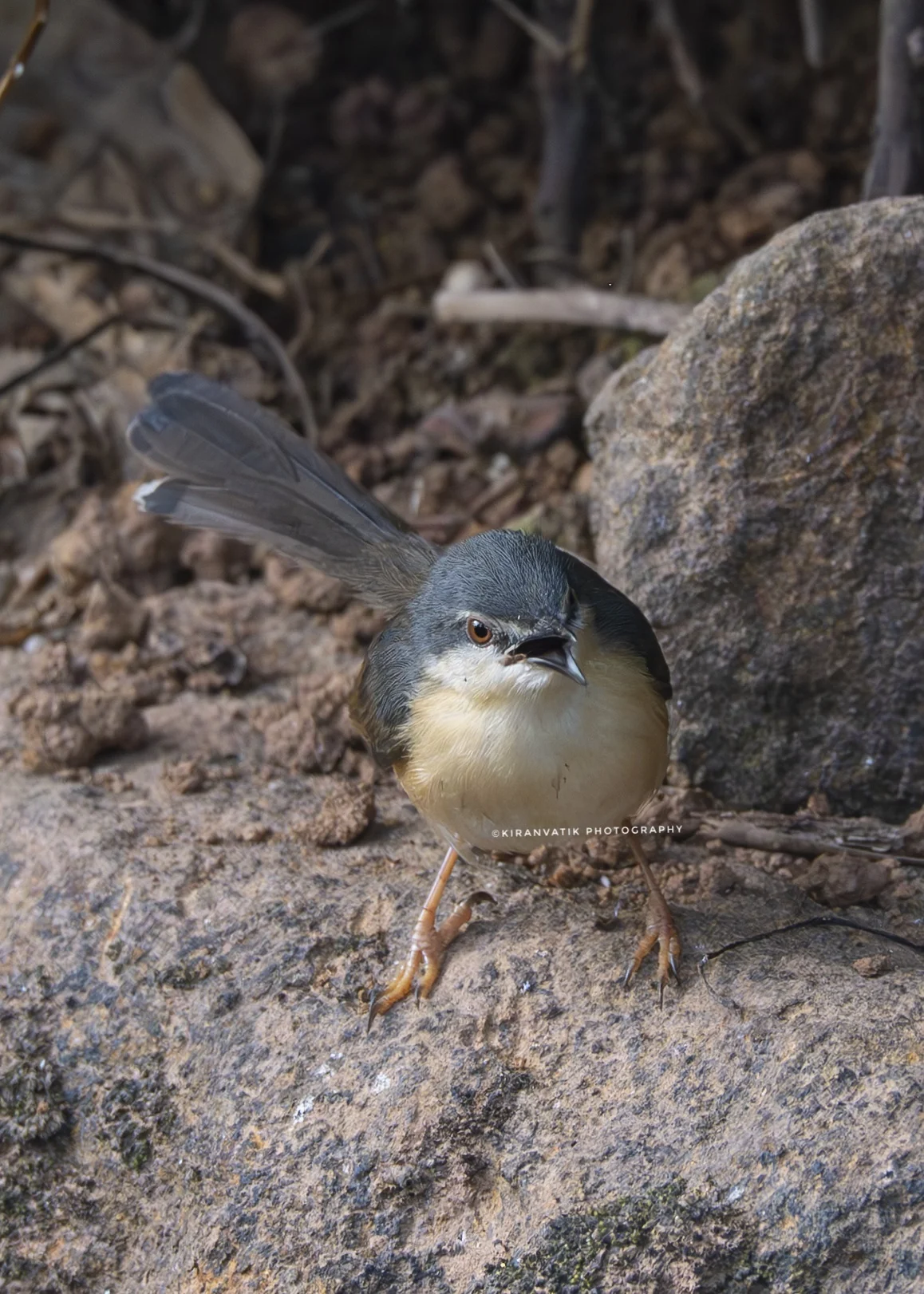
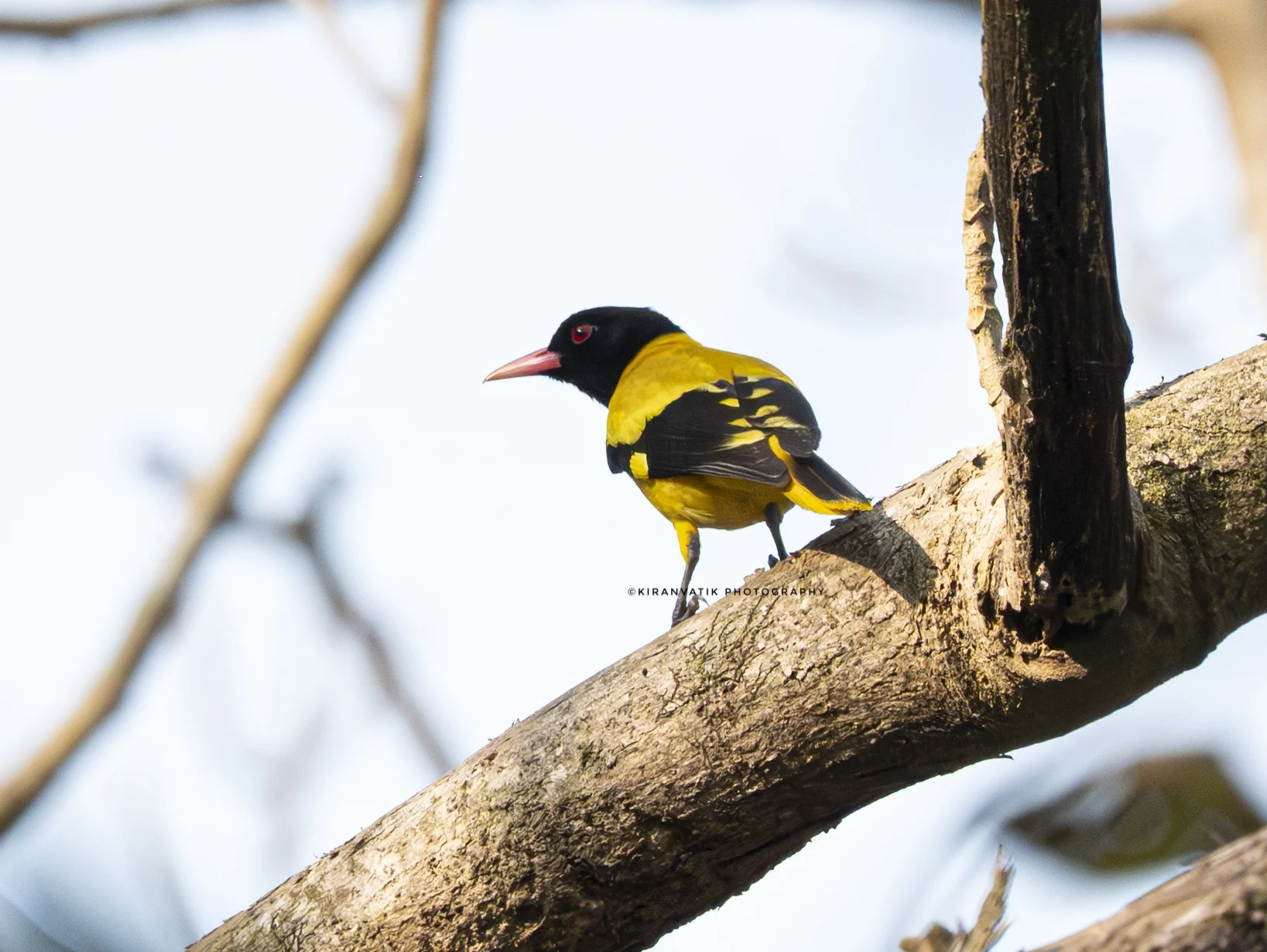
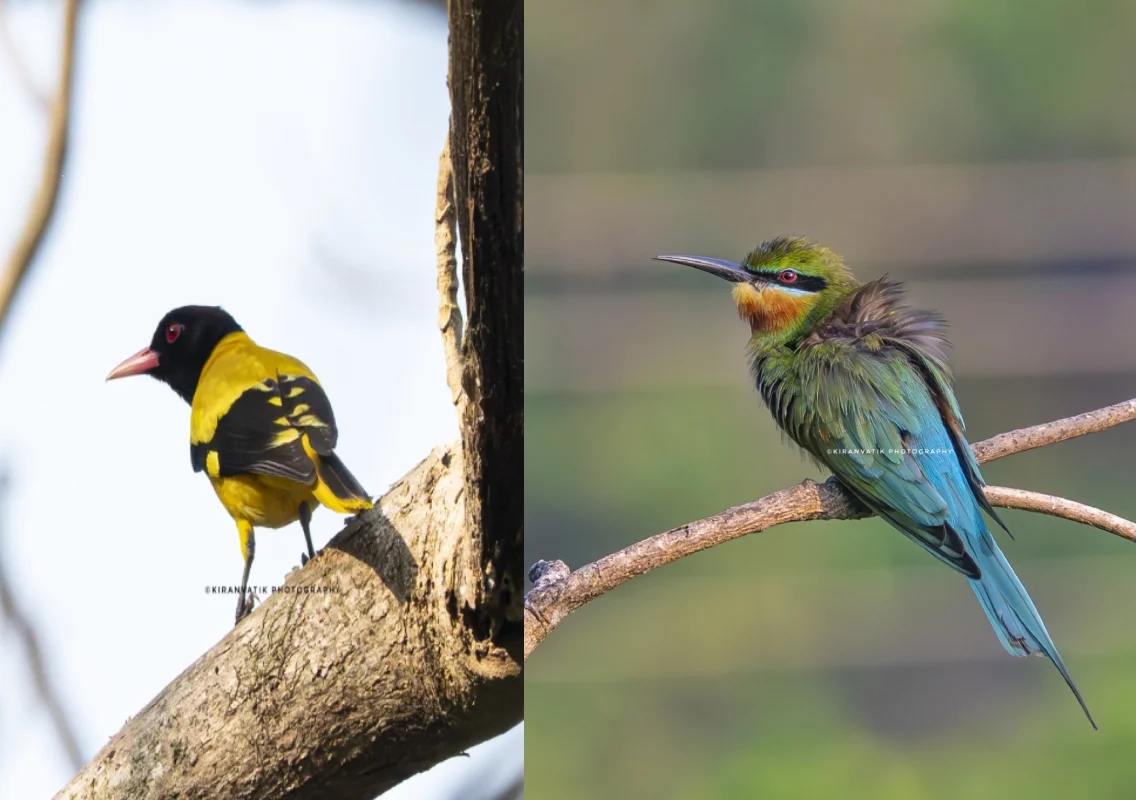
During the two-day survey, 51 bird species were documented, with many of them photographed by Mr Kiran Vati K, adding valuable visual records to the documentation.
With the latest count, the total number of bird species recorded at the AIMIT campus since 2022 has reached 73, reflecting the ecological richness of the semi-urban green campus.
Diverse habitats support rich birdlife
The AIMIT campus, characterised by open fields, tree cover and semi-urban landscapes, supports a wide range of bird species.
Commonly sighted birds included Indian Peafowl, Rock Pigeon and Spotted Dove.
Wetland-associated species such as White-breasted Waterhen, Common Sandpiper, Indian Pond-Heron, Eastern Cattle Egret and Great Egret were also recorded, highlighting the diverse habitat conditions present within the campus.
Presence of raptors and migratory birds
The survey also documented several raptors, including Crested Serpent-Eagle, Shikra, Black Kite and Brahminy Kite, indicating a healthy ecological food chain.
Seasonal and migratory visitors such as Ashy Drongo, Greater Racket-tailed Drongo, Green Warbler and Indian Paradise Flycatcher were also observed during the bird count.
Woodland and canopy species recorded included White-cheeked Barbet, Black-rumped Flameback, Rose-ringed Parakeet, Black-hooded Oriole and Indian Golden Oriole, a seasonal breeding visitor to peninsular India.
Indicator of biodiversity and ecological balance
Smaller insectivorous and nectar-feeding birds such as Pale-billed Flowerpecker, Purple-rumped Sunbird, Loten’s Sunbird and Golden-fronted Leafbird were frequently sighted across the campus.
Additionally, species including Black-naped Monarch, Oriental Magpie-Robin, Orange-headed Thrush, Scaly-breasted Munia and White-rumped Munia were recorded, indicating the campus provides suitable habitats for feeding, roosting and breeding.
Commitment to biodiversity conservation
Regular monitoring of bird diversity at AIMIT since 2022 reflects the institution’s ongoing commitment to biodiversity conservation and citizen science initiatives.
The Campus Bird Count also provides students and faculty with meaningful experiential learning opportunities while contributing valuable data to national biodiversity databases.
As part of St Aloysius University, the AIMIT campus continues to play an important role in supporting urban and semi-urban wildlife habitats in the region.