







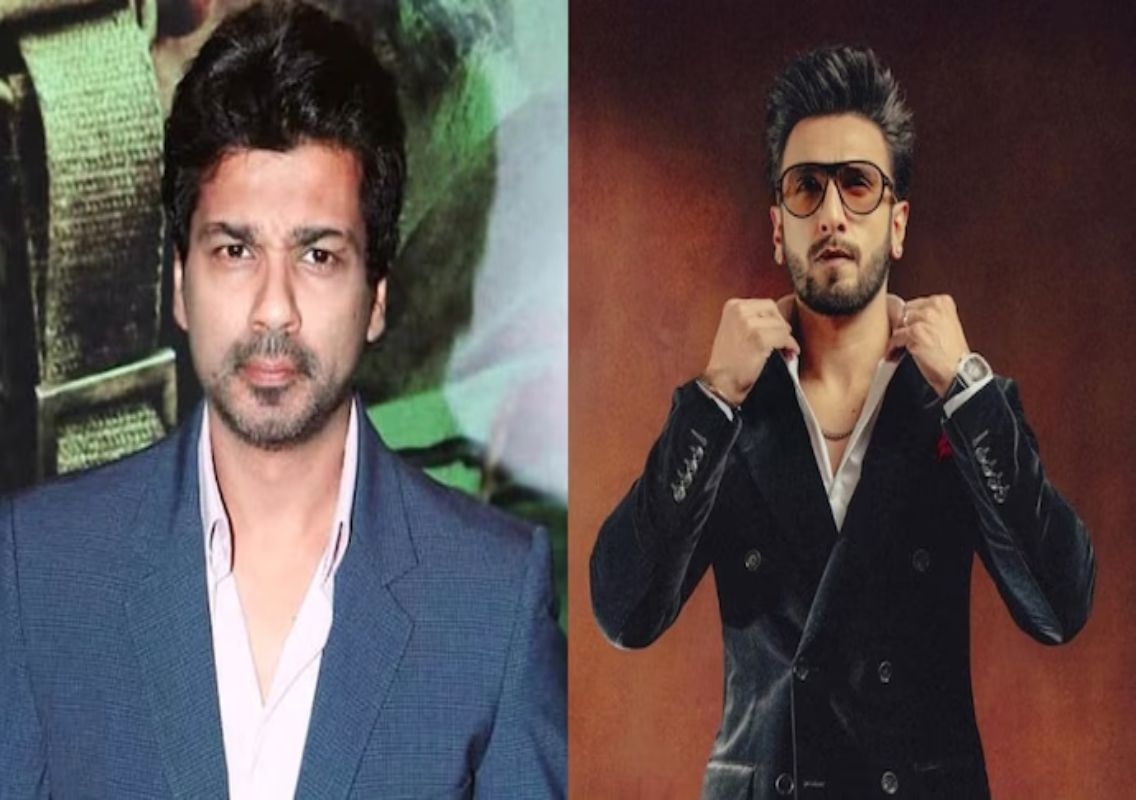


Mumbai: Actor-producer Nikhil Dwivedi has weighed in on the ongoing dispute involving Ranveer Singh, Excel Entertainment and the Federation of Western India Cine Employees (FWICE) over Don 3, emphasising that contractual disagreements should ultimately be resolved through the courts.
The controversy has intensified in recent days, with FWICE issuing a non-cooperation directive against Ranveer Singh, prompting widespread debate within the Hindi film industry. The matter has now escalated legally, with the actor reportedly sending a legal notice to the workers’ body.
Industry disputes and role of associations
Speaking about the issue, Dwivedi highlighted that disagreements are not uncommon in the film industry, given the scale of collaborations involved in filmmaking.
“A movie unit can have 100, 150, even 200 people. At some point, disagreements can happen between individuals. That’s precisely why contracts and agreements exist,” he said.
He noted that industry bodies like FWICE play an important role in mediating disputes and facilitating communication between stakeholders. According to him, such organisations help maintain balance and ensure that conflicts do not escalate unnecessarily.
Legal resolution is essential, says Dwivedi
However, Dwivedi stressed that when disputes involve contractual obligations, they move beyond mediation and require legal intervention.
“Any contractual dispute can ultimately only be resolved in a court of law in India. We have courts for that purpose. You can try to resolve matters emotionally or through mediation, but if that doesn’t work, the matter has to be settled legally,” he said.
His remarks come at a time when the standoff between Ranveer Singh and FWICE appears to be deepening, with both sides taking firm positions.
Concerns over non-cooperation directives
Dwivedi also raised concerns about industry associations issuing directives that ask members not to work with a particular individual. He questioned whether such actions would stand legal scrutiny.
“If a settlement cannot be reached, then I believe the associations have to step back,” he said, suggesting that their role should be limited to mediation rather than enforcement.
He further pointed out that such directives could potentially be viewed as unfair trade practices, as they may restrict an individual’s right to livelihood.
Legal notice and escalating tension
The dispute has taken a formal turn after FWICE confirmed receiving a legal notice from Ranveer Singh. The contents of the notice have not been made public yet.
Filmmaker Ashoke Pandit stated that the organisation is expected to address the matter at a press conference in Mumbai, signalling that further developments are likely.
The disagreement has also drawn attention to the dynamics between actors, production houses and film bodies in the industry, particularly in high-profile projects like Don 3.
Broader industry implications
The ongoing row underscores the complexities of contractual relationships in the entertainment industry, where multiple stakeholders operate within tightly structured agreements.
Dwivedi’s comments reflect a broader sentiment within sections of the industry that while mediation is valuable, legal clarity is essential in resolving disputes conclusively.
As the situation unfolds, the case could set an important precedent regarding the extent of authority industry bodies can exercise and how contractual conflicts are handled in Bollywood.
Conclusion
Nikhil Dwivedi’s intervention brings focus back to legal processes amid an emotionally charged dispute. While industry bodies like FWICE continue to play a mediatory role, the final resolution of the Don 3 controversy is likely to rest in the courts. The outcome could have lasting implications for professional conduct and dispute resolution mechanisms within the Indian film industry.