







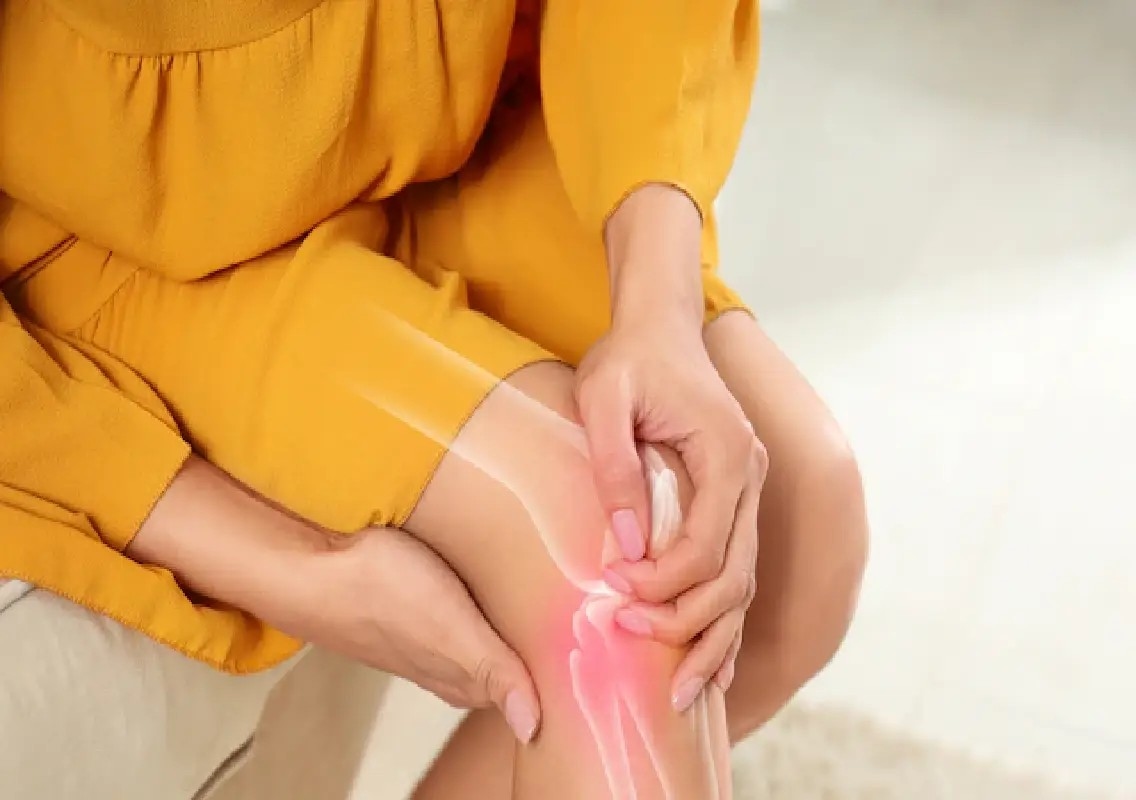


New Delhi: Chikungunya is often associated with sudden fever, rash and severe joint pain, but for some people, the discomfort does not end when the initial infection clears. Stiff fingers, aching knees, swollen joints and ankle pain can return weeks or months after the acute illness, leaving recovered patients wondering whether they have contracted the mosquito-borne viral infection again.
In most cases, recurring joint symptoms after chikungunya are not evidence of reinfection. They can instead be linked to prolonged inflammation following the original infection, commonly described as post-chikungunya chronic inflammatory arthralgia or arthritis.
Understanding the difference between a new infection and lingering post-viral joint inflammation can help patients avoid unnecessary anxiety and seek appropriate medical care.
Reinfection and relapse are different
Chikungunya is caused by the chikungunya virus (CHIKV), which is transmitted primarily through infected Aedes mosquitoes.
During the acute phase, patients commonly experience high fever, intense joint pain, muscle pain, headache and sometimes a rash. Although the fever and other symptoms generally improve, joint problems can persist in some patients.
A reinfection would mean contracting chikungunya again after recovering from an earlier infection. This is considered uncommon because infection generally produces a strong immune response and neutralising antibodies.
A relapse or post-viral flare, on the other hand, refers to the recurrence or persistence of joint symptoms after the acute infection has subsided.
Therefore, someone who develops joint stiffness several months after chikungunya should not automatically assume that they have been bitten by an infected mosquito again.
Why can joint pain continue?
The chikungunya virus is particularly notable for its effect on the joints.
During the acute infection, the body’s immune response produces inflammation that contributes substantially to the severe joint pain experienced by patients. In some individuals, this inflammatory process does not completely settle after the initial illness.
Research has suggested that viral material and immune responses within joint tissues may contribute to prolonged inflammation.
Some studies have investigated the presence of viral RNA or viral proteins in tissues and the role of immune cells in maintaining inflammation. However, the exact mechanisms behind persistent chikungunya arthritis are complex and are still being studied.
This means that recurring pain should not necessarily be interpreted as evidence that a complete new viral infection has begun.
The role of the immune system
One important explanation for prolonged symptoms is continued immune activation.
During chikungunya infection, the immune system releases inflammatory signalling molecules to fight the virus. In some patients, inflammation can continue after the acute phase.
This can produce symptoms resembling inflammatory arthritis, including morning stiffness, swelling and difficulty moving affected joints.
The severity and duration of symptoms can vary considerably between individuals.
Some people recover completely within a relatively short period, while others experience intermittent joint pain for many months.
Not everyone experiences the same symptoms
Post-chikungunya joint problems can affect different parts of the body.
Commonly affected areas include:
- Fingers and hands
- Wrists
- Knees
- Ankles
- Feet
- Elbows
Patients may experience stiffness after waking up, pain while walking or difficulty performing everyday activities involving the hands.
Symptoms can also follow a relapsing and remitting pattern, meaning that a person may feel significantly better for a period before experiencing another flare.
This unpredictable pattern can make patients believe that the infection has returned.
Why symptoms may fluctuate
Post-viral joint inflammation does not necessarily remain constant.
Physical overexertion can aggravate already inflamed joints. Changes in weather, stress and other illnesses may also coincide with worsening symptoms in some people.
However, individual triggers vary, and not every episode of pain after chikungunya is necessarily caused by the original infection.
Persistent or recurring joint symptoms should therefore be assessed rather than automatically attributed to chikungunya.
Who may be more vulnerable?
Research has found that certain groups may have a greater risk of developing prolonged joint problems after chikungunya.
Older adults and people who already have joint-related conditions may be more vulnerable to persistent symptoms. Some studies have also reported differences according to sex and other individual factors.
The course of the illness can also depend on the severity of the initial infection and the person’s overall health.
Importantly, experiencing prolonged joint pain does not mean that every patient will develop permanent arthritis.
Can chikungunya be contracted twice?
True repeat infection with chikungunya appears to be very uncommon, largely because recovery generally produces a strong immune response.
However, the statement that reinfection is absolutely impossible should be avoided. Evidence regarding the duration and completeness of immunity continues to be studied, and individual circumstances can differ.
For someone who has previously recovered from chikungunya and later develops joint pain, a post-chikungunya inflammatory condition is generally a more plausible explanation than assuming a second infection.
A doctor may consider other causes as well, particularly if symptoms are new, severe or accompanied by fever.
When should medical attention be sought?
Persistent joint pain should not simply be ignored, especially when it interferes with normal activities.
Medical evaluation is advisable when symptoms continue for several weeks after the initial infection or repeatedly return.
People should particularly seek medical advice if they develop:
- Persistent or significant joint swelling
- Redness or warmth around a joint
- Severe or worsening pain
- Prolonged morning stiffness
- Difficulty walking or using the hands
- Recurrent fever
- Symptoms that interfere with work or daily activities
A physician may determine whether the symptoms are consistent with post-chikungunya arthritis or whether another condition needs to be investigated.
Treatment depends on the individual
There is no single treatment that works for everyone with prolonged chikungunya-related joint symptoms.
Doctors may recommend appropriate pain-relieving or anti-inflammatory medicines depending on the patient’s symptoms, medical history and other risk factors.
In more persistent inflammatory arthritis, a rheumatologist may consider additional treatments, including disease-modifying medicines.
Patients should not start prescription medicines, including corticosteroids or disease-modifying anti-rheumatic drugs, without medical supervision.
The treatment approach may also change depending on whether the patient is still experiencing an acute infection or is dealing with post-viral inflammatory disease.
Movement and rehabilitation can help
Physical activity is another important component of recovery.
Complete inactivity may lead to stiffness and loss of muscle strength, while excessive exercise can aggravate painful joints.
Gentle stretching, mobility exercises, walking and other low-impact activities may help maintain joint function.
Physiotherapy can be particularly useful for people who continue to experience significant stiffness or difficulty with movement.
The appropriate level of exercise should depend on the severity of symptoms, and patients experiencing substantial inflammation should seek professional advice before beginning an intensive exercise programme.
Self-medication can be risky
People recovering from chikungunya sometimes rely heavily on over-the-counter painkillers when symptoms return.
However, taking medicines repeatedly without medical advice can cause complications, particularly in people with kidney disease, stomach problems, cardiovascular conditions or other health issues.
It is also important not to assume that every episode of fever and joint pain after chikungunya is automatically a relapse.
Other infections and inflammatory conditions can produce similar symptoms. A fresh fever may warrant medical assessment, particularly in areas where mosquito-borne diseases such as dengue and chikungunya circulate.
Prevention remains important
Even though post-chikungunya joint pain is generally not the result of a new infection, mosquito-bite prevention remains important.
Removing stagnant water around homes, using mosquito repellents, wearing clothing that reduces exposed skin and maintaining appropriate mosquito-control measures can help reduce the risk of chikungunya and other mosquito-borne infections.
Community-level control of mosquito breeding sites is equally important during periods of increased mosquito activity.
Conclusion
Joint pain returning months after chikungunya can be frightening, but it does not automatically mean that the virus has infected the person again.
For many survivors, persistent or recurring pain is associated with post-chikungunya inflammatory joint disease rather than a fresh infection. The condition can fluctuate and, in some cases, continue for an extended period.
Anyone experiencing prolonged swelling, severe pain, significant morning stiffness or difficulty with everyday movement should consult a doctor, and persistent inflammatory symptoms may require evaluation by a rheumatologist.
With appropriate medical assessment, physical rehabilitation and individually tailored treatment, many patients can manage these recurring symptoms and gradually regain mobility.