







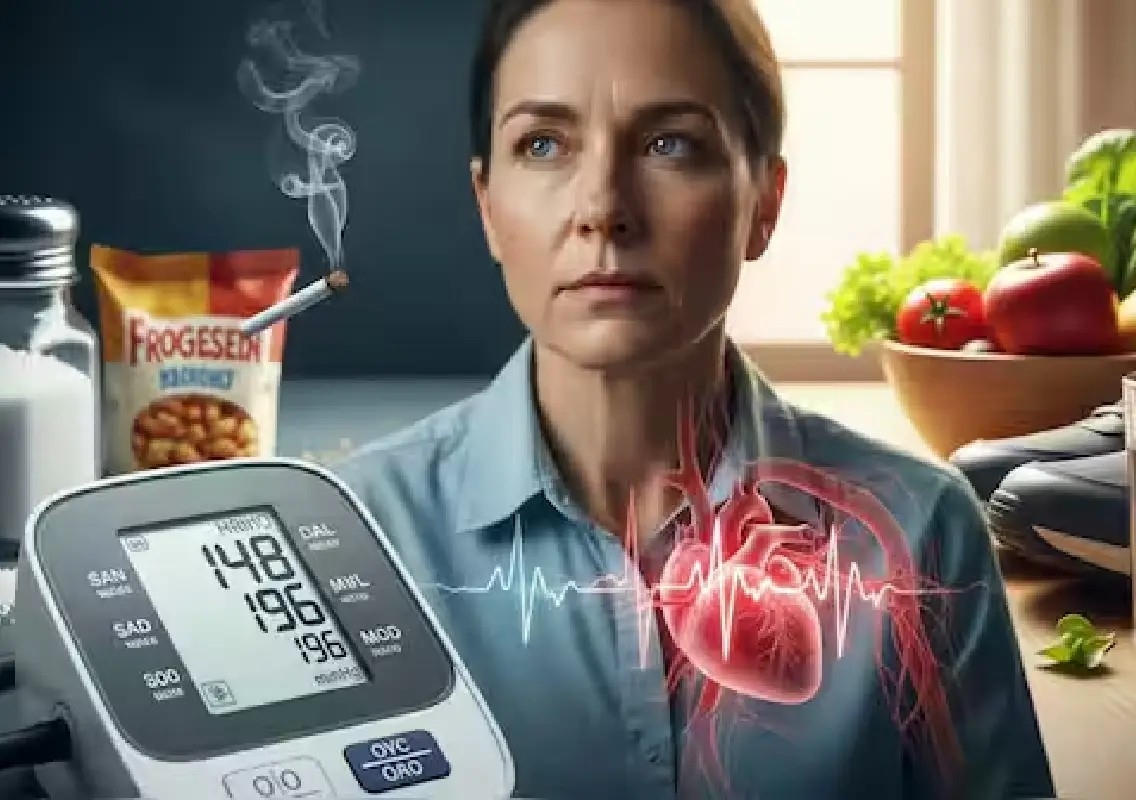


Health experts are raising concerns over the growing number of young Indians being diagnosed with hypertension, commonly known as high blood pressure, as sedentary lifestyles continue to dominate modern life.
Doctors say daily habits have changed drastically over the years. Walking has reduced significantly, physical activity has declined, and convenience-driven lifestyles are contributing to serious health risks at an early age.
Modern lifestyle increasing health risks
Medical experts point out that people once walked regularly for work, shopping, and social interaction. Today, elevators have replaced stairs, food is delivered to homes, and many professionals spend long hours seated in offices.
According to cardiologists, this lack of movement is silently affecting heart health and increasing blood pressure levels even among people in their 20s and 30s.
Brisk walking recommended for heart health
Health specialists are encouraging people to adopt simple lifestyle changes, especially brisk walking, to reduce the risk of hypertension and cardiovascular diseases.
Doctors recommend at least 30 minutes of brisk walking daily to improve blood circulation, maintain healthy blood pressure levels, and support overall fitness. Regular walking is also known to reduce stress, improve sleep quality, and strengthen heart health.
Stress and unhealthy habits adding to the problem
Experts also warn that stress, poor eating habits, lack of exercise, smoking, alcohol consumption, and insufficient sleep are major contributors to rising hypertension cases among young adults.
Many people remain unaware they have high blood pressure because the condition often shows no visible symptoms in its early stages. Regular health check-ups and monitoring are therefore considered essential.
Prevention remains the best solution
Cardiologists stress that hypertension can often be prevented or controlled through healthier routines, including balanced diets, regular exercise, adequate hydration, and stress management.
Doctors believe creating awareness among younger generations is critical as India witnesses a steady rise in lifestyle-related diseases.