







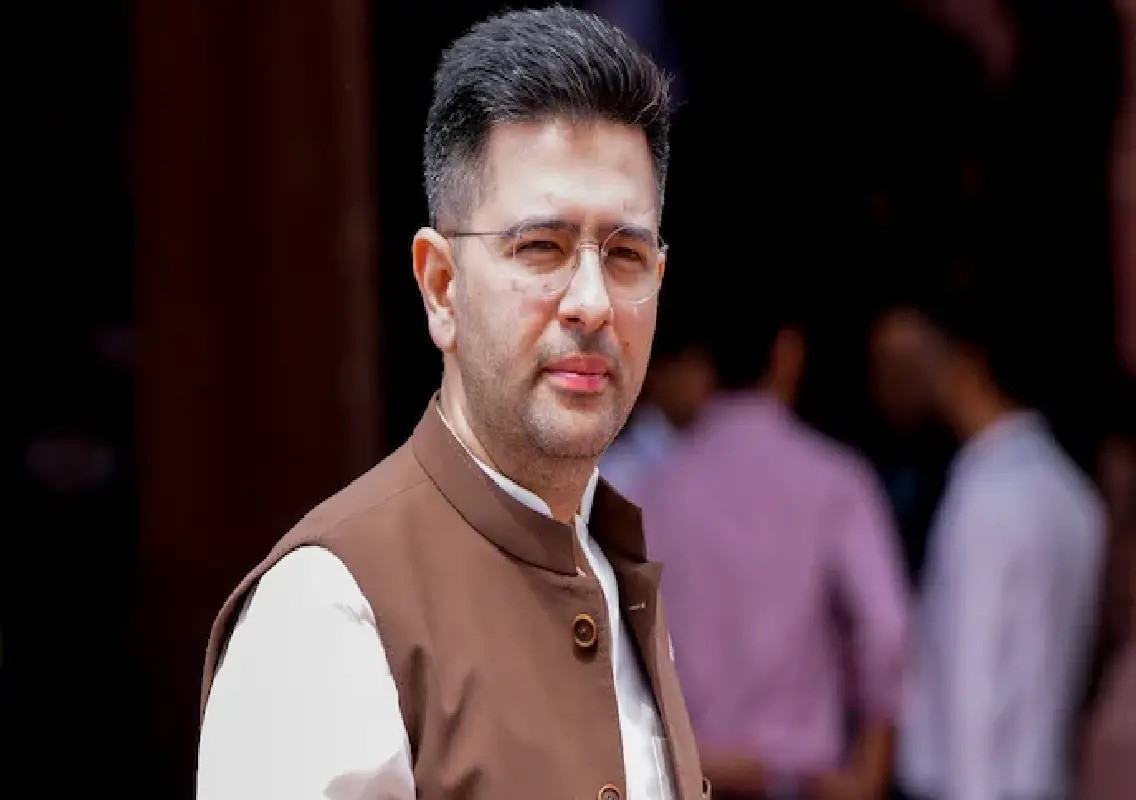


New Delhi: The Delhi High Court on Thursday declined to grant interim relief to BJP MP Raghav Chadha in a case concerning alleged misuse of his image and personality on social media platforms, orally observing that criticism, satire and political cartoons cannot be restrained merely because they may be unpleasant or uncomfortable for a public figure.
Court questions personality rights claim
During the hearing, Justice Subramonium Prasad observed that there did not appear to be a prima facie case involving violation of personality rights. The court noted that the content in question appeared to relate to criticism arising from political decisions and public actions.
The matter came before the court after Chadha alleged that social media posts and content using his image and persona amounted to unauthorised exploitation and had caused damage to his reputation.
The court, however, indicated that the issue appeared to concern criticism in the political sphere rather than unauthorised commercial use of identity or personality rights.
“There is a thin line between defamation and criticism,” the court orally observed while hearing the matter.
Court highlights role of satire in democracy
The High Court underscored that political cartoons and satire have historically formed part of democratic expression and public discourse.
Referring to the work of legendary cartoonist R. K. Laxman, the court observed that political commentary through humour and satire has existed for decades.
The Bench remarked that while communication platforms have changed significantly over time due to the emergence of social media, criticism directed towards political leaders continues to remain part of democratic engagement.
The court also observed that criticism of political actions cannot automatically be categorised as a personality rights violation.
Defamation may be appropriate remedy, says court
The court orally suggested that the grievance raised by Chadha could potentially fall within the ambit of defamation law rather than personality rights protection.
Senior Advocate Rajeev Nayar, appearing on behalf of Chadha, argued that several posts portrayed him as someone motivated by financial interests and had crossed the boundary of fair criticism.
Counsel for Chadha also claimed that there had been organised attempts to circulate defamatory content following the political developments involving him.
The petitioner’s side sought removal of the content and interim directions against further circulation.
Social media platforms oppose allegations
Counsel appearing for Meta opposed the plea and argued that several examples cited in the petition involved news reports or material that could not be considered objectionable.
The court observed that the dispute raised important questions regarding the balance between freedom of expression and protection of individual reputation.
The Bench noted that maintaining this balance required careful examination, as criticism and defamation often involve context-specific interpretation.
Court reserves order on petition
The Delhi High Court subsequently reserved its order on the plea seeking interim directions and permitted Chadha to amend his petition should he wish to include a defamation claim.
The matter highlights wider legal questions concerning the extent of personality rights available to public figures and the boundaries of online criticism in the age of social media.
The proceedings also underscore the continuing challenge of balancing individual reputation with constitutional protections relating to free speech and public discourse.