







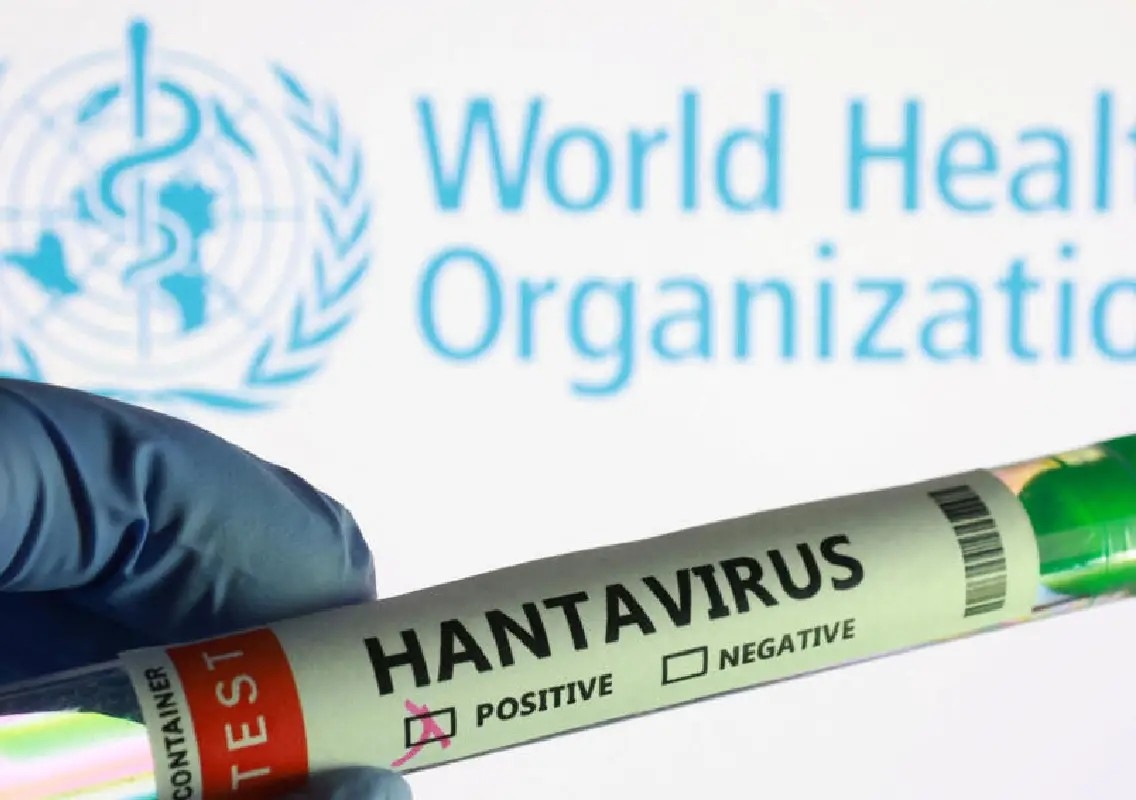


Concerns surrounding hantavirus outbreaks have sparked international discussion in recent weeks, but experts and prediction markets indicate the chances of a major global outbreak remain very low.
According to reports, prediction platforms such as Kalshi currently show only slim odds that the hantavirus situation will escalate into a global public health emergency.
Medical experts say the primary reason for the lower risk is that hantavirus does not spread easily between humans. Most infections occur after exposure to infected rodents, particularly through contact with contaminated droppings, urine, or saliva.
Unlike highly contagious respiratory viruses such as COVID-19, hantavirus transmission is generally limited and localised. Only a few rare strains identified in South America have shown restricted human-to-human spread.
Why experts are less alarmed
Public health specialists note several factors reducing the likelihood of a widespread outbreak:
- Human-to-human transmission is extremely rare
- Most cases are linked to specific environmental exposure
- Infections tend to remain geographically isolated
- Rapid monitoring and public health responses are already underway
Doctors also point out that awareness around rodent control and hygiene practices helps contain the disease.
Recent cases raised global attention
Interest in hantavirus increased following reports of suspected and confirmed cases connected to parts of South America and Europe. Emergency medical responses, including the deployment of British Army medics to remote territories, further amplified public concern.
However, epidemiologists stress that isolated incidents do not necessarily indicate a global threat.
What is hantavirus?
Hantavirus is a group of viruses carried mainly by rodents. People may become infected by inhaling contaminated particles in areas with rodent activity. Symptoms can include fever, fatigue, muscle aches, and, in severe cases, respiratory distress.
While serious, the disease remains rare worldwide.
Public advised to stay informed, not panic
Health experts recommend maintaining good hygiene, avoiding rodent exposure, and relying on verified medical information instead of speculation or misinformation circulating online.
Authorities continue monitoring cases, but experts currently see little evidence suggesting a pandemic-scale risk.