







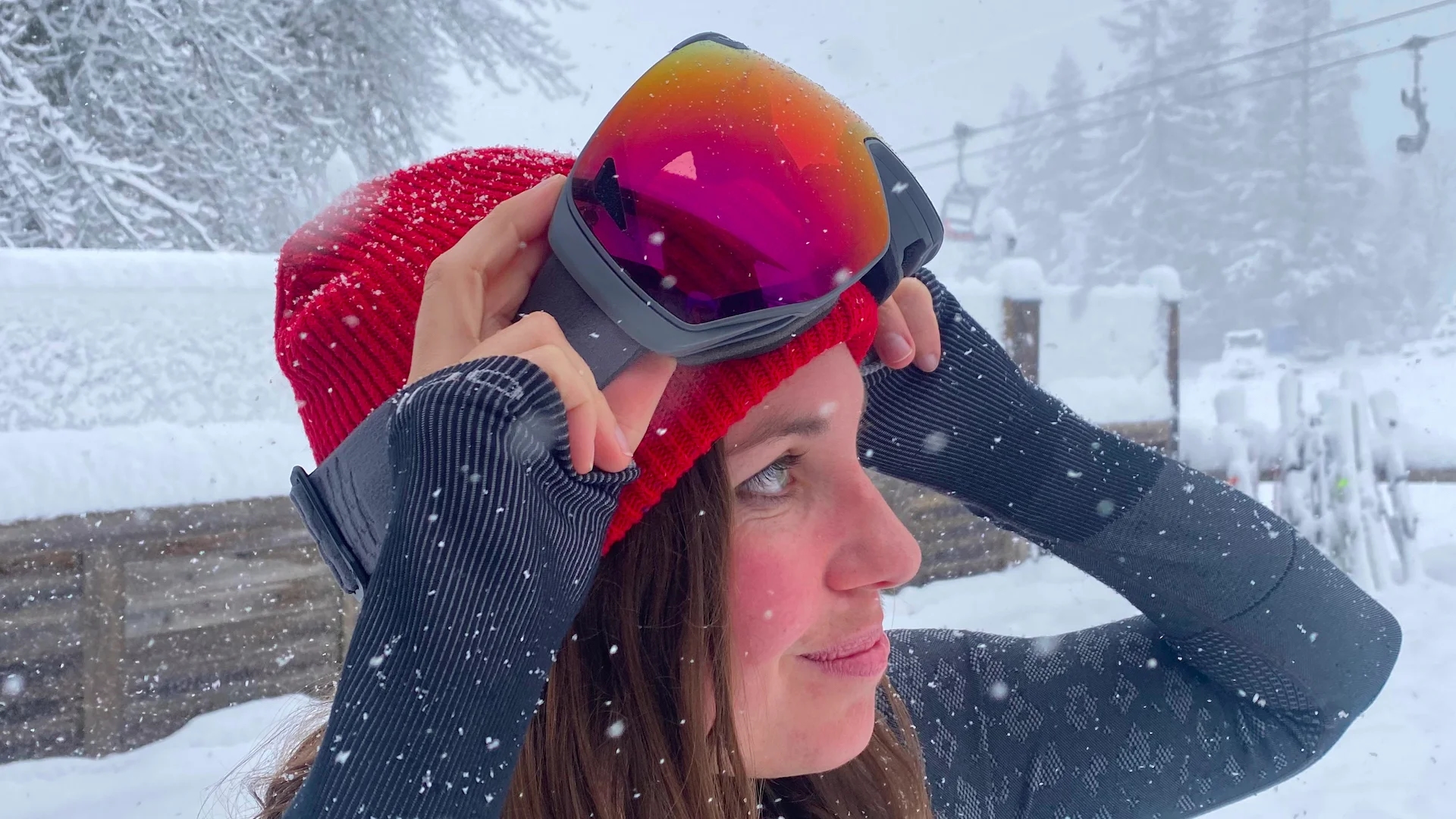


As winter travel picks up and trekking routes across India and abroad attract adventure enthusiasts, ophthalmologists are urging travellers to prioritise eye protection in snow-covered landscapes. Experts caution that while most people remember to dress in layers and guard against cold winds, many overlook a critical risk: damage to the eyes caused by snow glare, harsh winds and airborne debris.
Why snowy environments can harm your eyes
According to Dr Yogesh Chougule, consultant cataract, cornea and refractive surgeon at the National Institute of Ophthalmology (NIO) in Pune, one of the biggest concerns during winter treks is snow blindness. “It is a temporary, yet painful, loss of vision caused by the extreme reflection of UV rays off snow,” he said.
Snow glare dramatically increases UV exposure, which can damage the cornea and heighten long-term risks such as cataracts and macular degeneration. The problem is compounded at high altitudes, where cold, dry winds reduce the protective tear film. “This leads to dryness, irritation, redness and blurred vision,” Dr Chougule noted.
He added that strong winds often carry dust and debris, which can enter the eyes and cause corneal injuries or infections—serious complications if trekkers are far from medical facilities.
Essential gear for trekkers in snowy terrain
Proper equipment can significantly reduce vision-related risks. Dr Chougule recommended:
- UV-protective sunglasses or glacier glasses with side shields to block UVA/UVB rays and glare
- Anti-fog goggles for windy or snowy routes, ensuring stable and clear visibility
- Helmets with wide visors for additional protection from reflected light and wind
- Lubricating eye drops to maintain moisture throughout the trek
These measures become especially important for beginners and high-altitude trekkers who may underestimate the intensity of UV radiation on snow.
Pre-trek precautions for eye safety
Dr Chougule said preparing before the trek is just as important as on-route safety. His recommended steps include:
- Selecting high-quality protective eyewear with a proper fit
- Carrying sterile lubricating drops
- Undergoing a routine eye examination to rule out pre-existing issues
- Staying hydrated to support natural tear production
- Avoiding eye rubbing, especially with dusty or gloved hands
- Taking short eye breaks to help the visual system recover
He warned that any sudden pain or changes in vision should be treated as a medical emergency.