







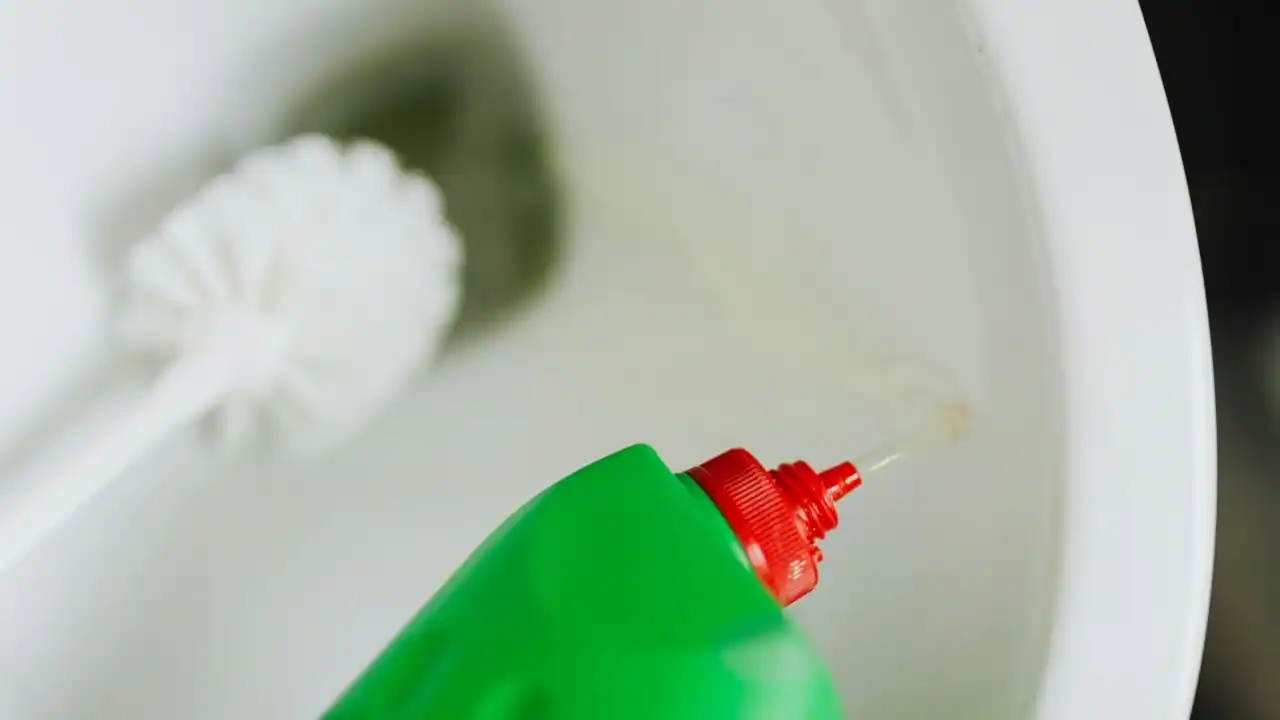


A pulmonologist recently highlighted a serious incident involving a woman who lost consciousness after mixing two toilet cleaners while cleaning her bathroom. Dr Ankit Bhatia, who shared the case on Instagram, said the patient was rushed to the emergency department after toxic fumes filled the room.
“A patient landed in our emergency simply because she mixed two toilet cleaners. Toxic fumes filled the room. Within minutes, she became breathless and collapsed,” Dr Bhatia said. He warned that mixing toilet cleaners, acids, and bleaches can create hazardous chemical reactions. “One wrong combination can permanently injure your lungs. Use only one cleaner at a time.”
For context: Chlorine gas – Wikipedia
Related NK reading:
- Doctors caution public over rising household chemical injuries
- Seasonal respiratory issues surge in urban areas
Toxic reactions can be immediate and severe
According to Dr Sulaiman Ladhani, consultant pulmonologist at Wockhardt Hospitals, Mumbai Central, most cleaners contain potent chemicals such as hydrochloric acid, bleach, ammonia, and oxidisers. When mixed, these substances can rapidly release chlorine gas, one of the most dangerous irritant gases.
“Even a few breaths can cause coughing, difficulty breathing, and sudden airway tightening,” he said.
Chlorine and similar gases chemically burn the airway lining. This injury may lead to Reactive Airways Dysfunction Syndrome (RADS), which resembles an asthma attack but can be more severe. In serious cases, oxygen levels drop and emergency care becomes essential.
Symptoms to watch for after exposure
Immediate symptoms may include:
- Coughing or choking
- Chest tightness
- Burning in the nose, throat, or eyes
- Difficulty breathing
- Watery eyes
- Dizziness or a metallic taste
If symptoms persist beyond 10–15 minutes or worsen, urgent medical attention is advised.
How to respond after inhaling toxic fumes
Dr Ladhani recommends:
- Move to fresh air immediately
- Ventilate the space; do not re-enter until fumes clear
- Sip water to soothe irritation
- Avoid steam inhalation or home remedies
- Seek emergency care if breathing becomes difficult
Long-term risks from a single incident
A significant exposure can cause prolonged coughing, wheezing, or airway sensitivity lasting weeks to months. “In rare cases, permanent lung function reduction or chronic hyperreactivity may occur,” Dr Ladhani cautioned.