







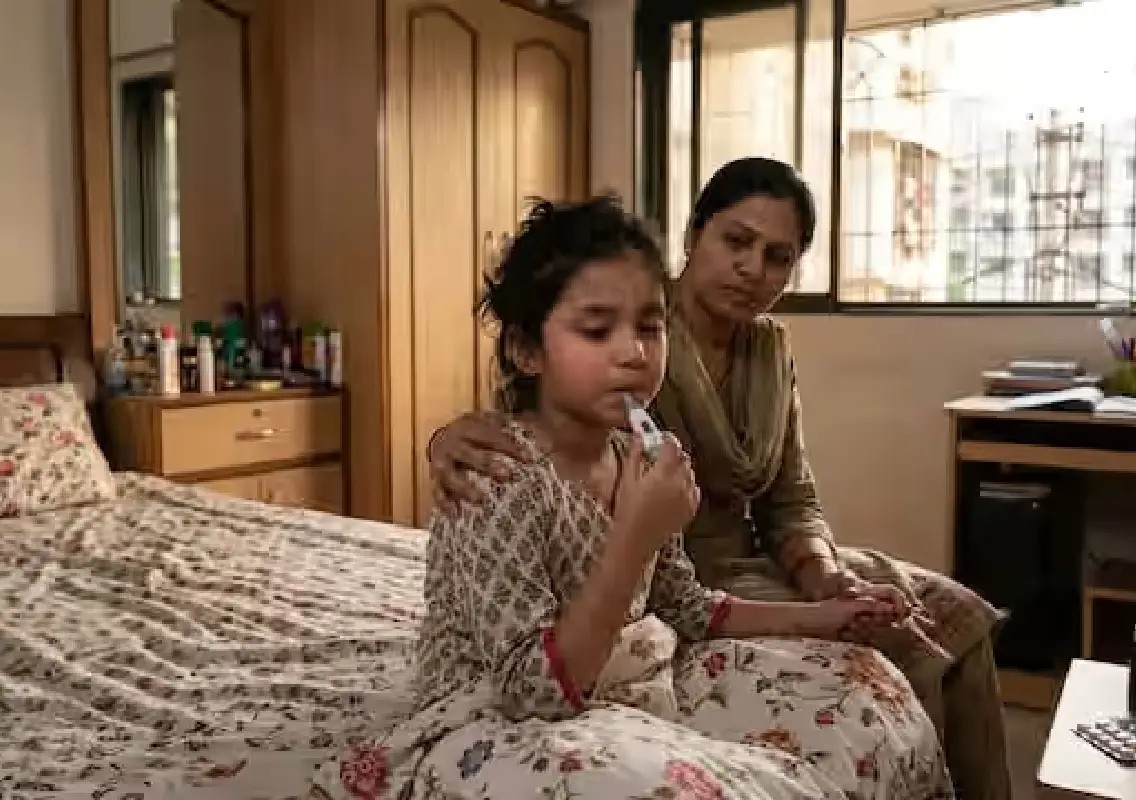


With the arrival of the monsoon season, hospitals and clinics across India often witness a rise in fever-related cases. While most are caused by seasonal viral infections, concerns about dengue frequently lead to anxiety among patients and families.
Medical experts say that one of the most important tools for differentiating between a routine viral fever and dengue is understanding what happens during the first 48 hours after symptoms appear.
Why the first 48 hours are crucial
During the early stages of infection, the body’s immune system responds similarly to many viruses.
Whether caused by a common viral infection or the dengue virus, the body releases fever-inducing substances that trigger a rise in temperature as part of its defence mechanism.
As a result, symptoms such as fever, headache, body aches and fatigue can appear almost identical during the first two days, making diagnosis based solely on symptoms difficult.
This period is often referred to as a diagnostic blind spot because distinguishing between viral fever and dengue through physical examination alone can be challenging.
Viral fever and dengue: Key differences
While both illnesses may begin with similar symptoms, their progression often differs after the initial 48 hours.
Typical viral fever
Common viral infections generally:
- Improve within a few days
- Respond well to rest and hydration
- Show gradual reduction in fever
- Rarely cause major changes in blood parameters
Dengue fever
Dengue may present with:
- Persistent high fever
- Severe body and joint pain
- Intense headache
- Pain behind the eyes
- Increasing weakness and fatigue
- Changes in platelet count and blood concentration
Medical experts advise that if fever remains high beyond 48 hours or repeatedly returns despite treatment, further investigation may be required.
When testing becomes important
Doctors recommend seeking medical evaluation if fever persists beyond two days.
Dengue NS1 Antigen Test
During the first one to four days of illness, the NS1 Antigen test can help detect dengue infection before antibodies develop.
Complete Blood Count (CBC)
A CBC helps establish baseline platelet levels and assess changes in blood concentration that may indicate dengue-related complications.
The platelet myth
One of the most common misconceptions surrounding dengue is that recovery begins when the fever subsides.
In reality, doctors warn that the period immediately after fever reduction can be the most critical phase of the illness.
Typically occurring between the third and fifth day of infection, this stage may involve:
- Rapid decline in platelet count
- Leakage of fluid from blood vessels
- Increased risk of bleeding complications
- Development of severe dengue symptoms
For this reason, patients diagnosed with dengue often require continued monitoring even after their fever improves.
Home care guidelines during fever
Use only prescribed fever medication
Doctors generally recommend paracetamol for fever management.
Patients are advised to avoid medications such as:
- Ibuprofen
- Aspirin
- Diclofenac
These medicines can increase bleeding risk if the illness turns out to be dengue.
Maintain hydration
Adequate fluid intake is essential during both viral infections and dengue.
Recommended fluids include:
- Oral Rehydration Solution (ORS)
- Coconut water
- Clear soups
- Water and electrolyte-rich beverages
Watch for warning signs
Immediate medical attention is recommended if any of the following symptoms occur:
- Persistent vomiting
- Bleeding from gums or nose
- Severe abdominal pain
- Extreme weakness or drowsiness
- Difficulty breathing
- Reduced urine output
Prevention remains the best protection
Health experts stress that preventing mosquito breeding remains the most effective defence against dengue.
Residents are advised to:
- Remove stagnant water around homes
- Use mosquito repellents
- Install window screens and mosquito nets
- Wear full-sleeved clothing when possible
Don’t panic, monitor carefully
Doctors emphasise that not every fever during the monsoon season is dengue. However, persistent fever beyond 48 hours should not be ignored.
By monitoring symptoms, seeking timely medical advice and avoiding self-medication, families can make informed decisions and reduce the risk of complications during the rainy season.