









As one year ends and another begins, a familiar question echoes everywhere: How was your year? For many, this season of reflection brings optimism. For others, it quietly stirs anxiety, self-doubt and emotional fatigue — a reality mental health experts say is increasingly common.
Adding to the conversation this year is a social media trend dubbed the “2025 appreciation cake.” The idea is simple: buy or bake a cake for yourself and display your achievements — big or small — on toothpicks. While the trend encourages gratitude and self-recognition, experts warn it can also intensify pressure to publicly prove that the year was “productive”.
Why celebrating small wins matters
Mental health professionals agree that acknowledging everyday achievements can be deeply beneficial. Studies show gratitude and positive reflection improve emotional wellbeing, boost life satisfaction and help people cope better with stress.
Psychiatrists note that celebrating small wins — such as showing up on difficult days, maintaining boundaries, or simply surviving a challenging phase — supports emotional resilience. Reflection, when done gently, helps create closure and a sense of meaning as one year transitions into the next.
When trends trigger anxiety
However, experts caution that year-end trends can unintentionally shrink an entire lived experience into a few visible milestones. Growth, they say, is not always measurable or shareable.
For those who spent the year healing from burnout, grief, caregiving responsibilities or emotional exhaustion, such celebrations can feel alienating. The pressure to “have something to show” often reinforces the idea that progress must be visible, presentable and social-media friendly — which is rarely true.
Understanding New Year anxiety
New Year anxiety goes beyond missing parties or social media highlights. Experts describe it as layered and deeply personal. Common triggers include forced reflection, cultural obsession with productivity, constant comparison on social platforms and fear of time slipping away — especially among people in their late 20s to 40s.
Often, this anxiety stems less from fear of the future and more from guilt about the past — feeling stuck, behind, or disappointed with how the year unfolded.
How to cope more gently
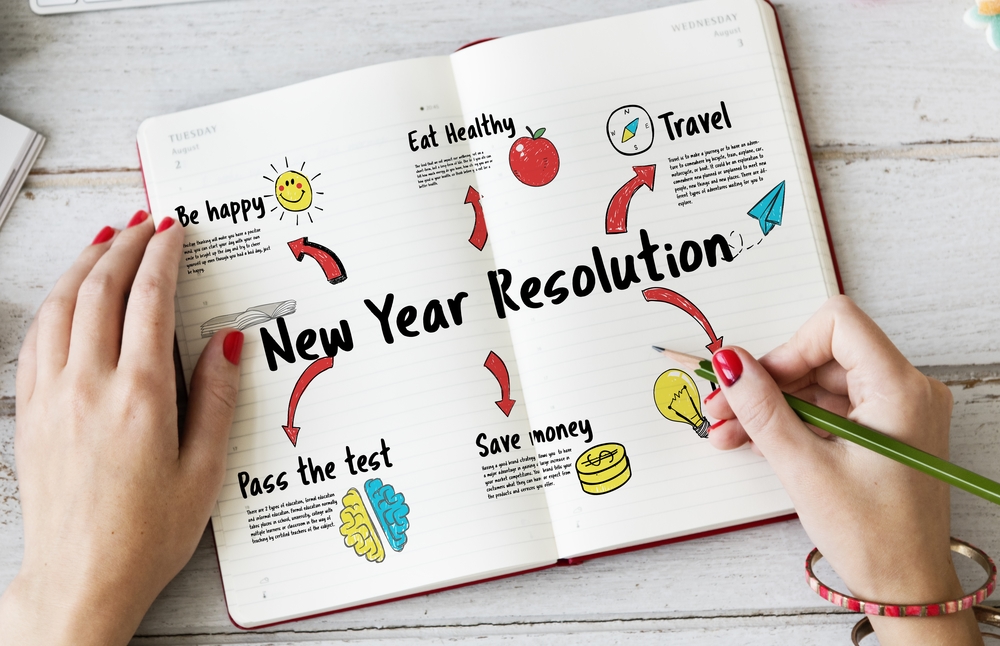
Mental health experts suggest separating reflection from self-judgement, redefining success beyond milestones, and easing up on rigid January 1 deadlines. Setting intentions instead of strict goals, limiting social media exposure during year-end, and allowing rest before “starting fresh” can help.
As the countdown fades, experts remind us that a new year is not a test to pass or fail. It is simply time moving forward. Whether your biggest win was achieving something visible or quietly choosing not to give up, it still counts.