







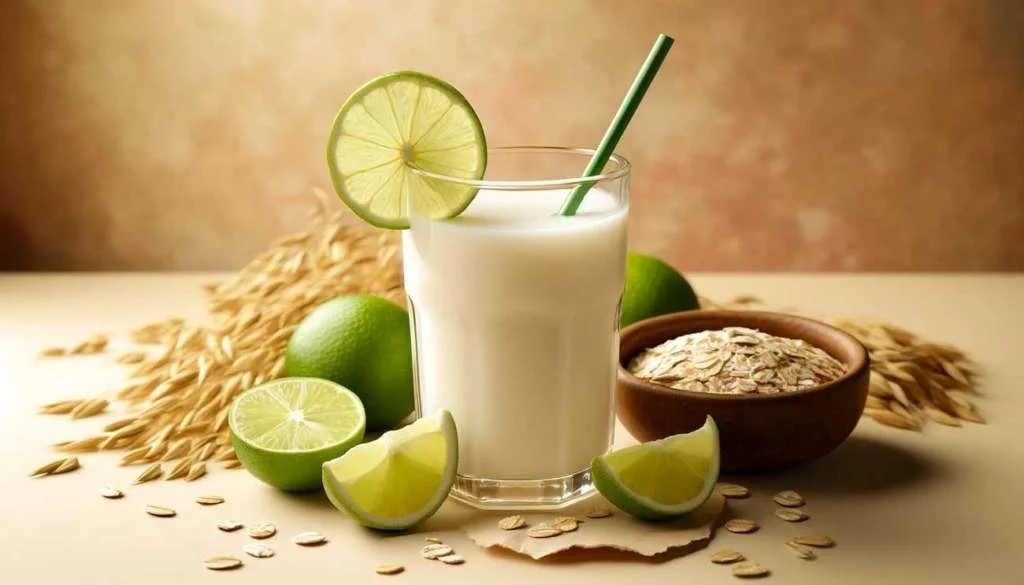


A new social media trend called “Oatzempic” is gaining traction on platforms such as TikTok and Instagram, with influencers claiming that a simple oat-based drink can deliver weight loss results similar to prescription drugs like Ozempic. Health experts, however, say the claims are misleading and not backed by science.
“Oatzempic” is not a medication. It is a homemade drink made by blending rolled oats with water or plant milk and a splash of lemon or lime juice. Some versions include cinnamon, fruit or honey. The drink is usually consumed in the morning, either before breakfast or as a meal replacement, with users claiming it helps suppress appetite and accelerate weight loss.
Why the trend is popular
The name “Oatzempic” is a play on “oats” and “Ozempic”, a drug known for its role in medical weight loss. On social media, users share dramatic before-and-after stories, with some claiming weight loss of up to 40 pounds in a few months.
Nutrition experts caution that these claims create unrealistic expectations. Unlike Ozempic, which works by altering hormones that regulate appetite and blood sugar, the oat drink has no such mechanism.
What oats actually do
Dietitians explain that any benefit from the drink likely comes from oats being rich in fibre, especially beta-glucan. Fibre slows digestion and helps people feel full for longer, which may reduce overall calorie intake during the day.
Replacing a high-calorie breakfast—such as fried foods or pastries—with a low-calorie oat drink can lead to weight loss over time. However, this effect is not unique to Oatzempic. Any balanced, lower-calorie breakfast could produce similar results.
What science says
There are currently no clinical studies specifically examining “Oatzempic”. While oats are well-known for supporting heart health, blood sugar control and digestion, there is no evidence that blending oats with citrus creates a special weight-loss effect.
Experts stress that oats can support modest weight loss only when combined with an overall healthy diet, regular physical activity and adequate sleep.
Expert warnings
Dietitians warn against treating the drink as a miracle solution. The oat blend lacks sufficient protein and other essential nutrients, making it unsuitable as a long-term meal replacement. Relying on it daily could lead to nutritional imbalances and poor sustainability.
Health professionals also emphasise that viral food trends should never be seen as alternatives to medically supervised weight-loss treatments.
The bottom line
“Oatzempic” may help some people reduce calories in the short term, but it does not replicate the effects of prescription weight-loss drugs. Sustainable weight loss depends on balanced nutrition, lifestyle changes and medical guidance—not viral shortcuts.
Anyone considering dietary changes for weight loss is advised to consult a qualified healthcare professional rather than relying on social media trends.