







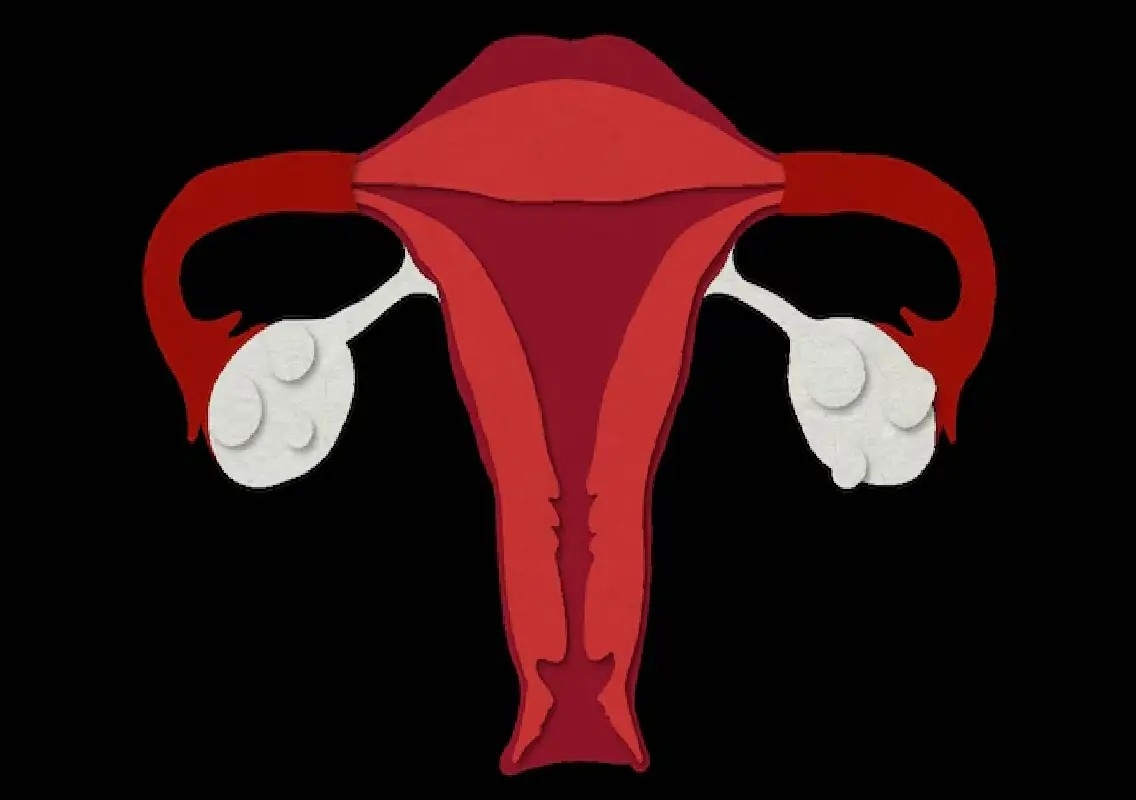


Chicago: For decades, scientists believed that the ovaries became largely inactive after menopause, having fulfilled their reproductive role. However, new research from researchers at Northwestern University Feinberg School of Medicine suggests that the postmenopausal ovary may continue to serve an important biological function by interacting with the body’s immune system.
The findings, published in the scientific journal Molecular Human Reproduction, challenge long-held assumptions about the ageing ovary and may offer new insights into women’s health after menopause.
Scientists discover unexpected activity
The study was led by reproductive biologist Francesca Duncan, who initially set out to study senescent cells, ageing cells that stop dividing and are increasingly linked to inflammation and age-related diseases.
Due to the limited availability of healthy ovarian tissue from younger women, the research team examined ovaries that had been removed from postmenopausal women aged between 50 and 75 during medically necessary surgeries.
Researchers expected the ovaries to be largely inactive. Instead, they discovered that the organs continued to change with age.
Different proteins were found in older ovaries, indicating that the tissue remained biologically active long after fertility had ended.
“It highlighted to us that there’s something else going on with this organ,” Duncan said.
Mouse studies reveal immune connection
To better understand these changes, the researchers conducted experiments using laboratory mice.
The team examined ovaries from young mice, mice approaching the end of their reproductive years and older mice that had already stopped reproducing.
As expected, genes associated with egg production and hormone synthesis declined steadily with age.
However, scientists also observed another striking pattern: older ovaries contained significantly more immune cells and showed increased activity of genes linked to inflammatory molecules.
The findings suggest that the postmenopausal ovary may interact with the immune system in ways that were previously unrecognised.
Researchers said it remains unclear whether the ovary actively directs immune responses or merely becomes a location where immune cells gather and undergo changes.
Implications for women’s health
Scientists have long known that women experience a higher risk of several health conditions after menopause, including cardiovascular disease, osteoporosis and other chronic illnesses.
These health changes have traditionally been attributed largely to declining levels of oestrogen.
The new study raises another possibility: that the ovary itself may continue to influence health through its interaction with the immune system even after reproductive function has ceased.
If future studies confirm this link, it could significantly change scientific understanding of ageing in women and explain why chronic inflammation becomes more common after menopause.
New frontier in ageing research
The findings also highlight how little is currently understood about the postmenopausal ovary.
“The gap in our knowledge of the postmenopausal ovary is a little bit frightening. We really owe it to women’s health to study this period of time,” Duncan said.
Researchers caution that much of the work was conducted in mice and that further studies involving humans will be required before definitive conclusions can be drawn.
Nevertheless, the study opens a new avenue of research into women’s health and suggests that menopause may not mark the end of the ovary’s biological significance.
Instead, what was once considered an inactive organ may be entering an entirely different phase of function, potentially playing a role in immunity and age-related health long after reproduction has ended.
.