







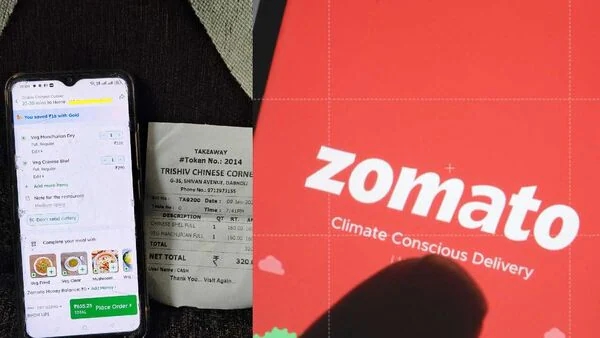


Former YouTuber Nalini Unagar has drawn attention to a sharp price difference she encountered while ordering food through Zomato, reigniting debate around transparency and rising costs on food delivery apps.
In a post shared on social media, Unagar said the actual menu price for her order—Veg Manchurian Dry and Chinese Bhel—should have totalled ₹320. However, the bill generated on the app showed ₹655. Even after applying available discounts, she said she was asked to pay ₹550, which she described as “absolutely insane”.
Questioning the pricing gap
Calling out Zomato directly, Unagar alleged that customers are being “blatantly overcharged” and urged the platform to explain the discrepancy between restaurant prices and in-app billing. Her post quickly gained traction, with users sharing similar experiences and screenshots of inflated totals.
Zomato responded by stating that prices displayed on its app are “solely determined by restaurant partners” and that the company acts only as an intermediary. It added that Unagar’s feedback would be shared with the concerned restaurant.
Users push back on transparency
The response, however, triggered further discussion. One user questioned Zomato’s role, arguing that if restaurants set prices, platforms should clearly disclose commissions, advertising fees and payment charges they levy. The user said many eateries raise menu prices online to offset platform fees rather than to increase profits.
Others echoed the sentiment, noting that while platforms position themselves as intermediaries, their fee structures significantly influence final prices paid by consumers.
A wider consumer concern
The episode has fuelled broader concerns about third-party food delivery pricing and the lack of clarity around online menus. Consumer voices online are increasingly calling for clearer break-ups of charges and greater accountability from platforms as food delivery becomes a routine service for urban households.
While Zomato maintains that restaurants control menu pricing, the discussion highlights growing demand for transparency in an ecosystem where app-based convenience often comes with hidden costs.