







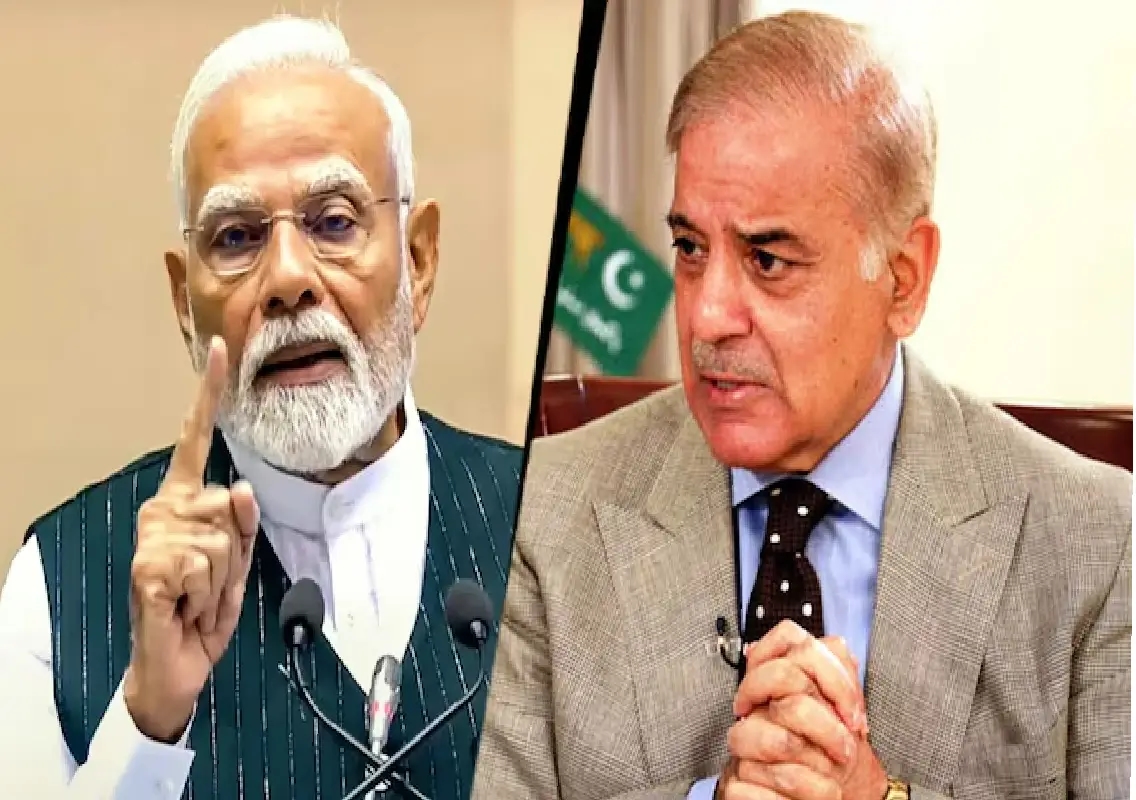


New Delhi: The recently concluded India–European Union (EU) Free Trade Agreement (FTA), described by officials as the “mother of all trade deals”, has triggered strong reactions not only in the United States but also across the border in Pakistan, where fears are mounting over its potential impact on exports, particularly in the labour-intensive textile and apparel sector.
India–EU FTA alters regional trade dynamics
The India–EU FTA, years in the making, is expected to give India wide market access to the European Union, especially in sectors such as textiles, apparel, gems, jewellery and footwear. These sectors have traditionally formed the backbone of Pakistan’s export success in Europe.
With the agreement, the EU will eliminate or reduce tariffs on 99 per cent of goods imported from India over a seven-year period, while India will cut or remove tariffs on 97 per cent of EU exports. Crucially, tariffs on Indian textiles and apparel will fall to zero from the first day the deal comes into force.
This shift has significantly altered the competitive landscape in the European market, where Pakistan has long enjoyed preferential access.
Pakistan government in damage-control mode
The development has reportedly pushed the Shehbaz Sharif government into a state of urgency. The EU is Pakistan’s second-largest export destination, with annual shipments worth around $9 billion (approximately Rs 8.25 lakh crore), the bulk of which comprise textiles and apparel.
Pakistan’s foreign ministry said on Friday that it is engaging with the EU to assess and address any potential fallout from the India–EU trade deal. “We are following this matter bilaterally with the EU member states and also collectively with the EU headquarters in Brussels,” the ministry’s spokesperson said.
Deputy Prime Minister Ishaq Dar also convened a hastily arranged inter-ministerial meeting to review the situation. This followed discussions between Prime Minister Shehbaz Sharif and the EU’s ambassador to Pakistan, highlighting the seriousness with which Islamabad views the development.
Why Pakistan is feeling the heat
The timing of the India–EU FTA has added to Pakistan’s worries, as the country is already grappling with a fragile economy and sluggish export growth. According to a World Bank report, Pakistan’s export share has declined sharply from 16 per cent of GDP in the 1990s to around 10 per cent in 2024.
At the heart of Pakistan’s concern is the possible erosion of its competitive advantage under the EU’s Generalised System of Preferences Plus (GSP+) scheme. Under GSP+, Pakistan has enjoyed duty-free access to the EU market on nearly 66 per cent of its exports since 2014.
The scheme helped Pakistan’s textile exports to Europe grow by 108 per cent, with the 27-member EU bloc accounting for nearly $7 billion, or about 40 per cent, of Pakistan’s textile shipments annually. However, the GSP+ status is due to expire next year, adding further uncertainty.
Textiles sector faces major risks
The textile and apparel sector is Pakistan’s largest industrial employer and the biggest contributor to export earnings, providing jobs to an estimated 15 to 25 million people. Industry leaders fear that the India–EU deal could significantly weaken Pakistan’s position in Europe.
“India has become significantly more competitive in the EU market, effectively neutralising and, in several segments, overtaking Pakistan’s GSP+ advantage,” said Kamran Arshad, chief of the All Pakistan Textile Mills Association.
Pakistan’s former Commerce Minister Dr Gohar Ejaz warned that the country’s “zero-tariff honeymoon” with the EU was coming to an end, cautioning that nearly 10 million jobs could be at risk unless urgent reforms are undertaken.
How the deal benefits India
Before the FTA, Indian textile and apparel exports to the EU faced tariffs of up to 12 per cent. The new agreement removes this barrier, giving Indian exporters a decisive edge, especially at a time when labour-intensive sectors were hit by steep tariffs imposed by the United States.
Union Minister Piyush Goyal highlighted this disparity after the deal was finalised on January 27, noting that Bangladesh and Pakistan had benefited from duty-free access, while India did not. The FTA, he said, would help India bridge that gap.
Pakistan responds with policy measures
Faced with growing pressure from exporters, the Pakistan government announced a cut of Rs 4.04 per unit in electricity tariffs for industrial consumers to reduce production costs. Exporters have warned that without sustained relief in energy prices, taxes and financing costs, Pakistan could continue to lose market share in Europe.
Conclusion
The India–EU FTA has reshaped trade equations in the region, offering India unprecedented access to one of the world’s largest markets while placing Pakistan’s export-led sectors under strain. As India gains competitiveness and Pakistan’s GSP+ window nears closure, the deal has emerged as a significant setback for Islamabad, forcing it to confront long-standing structural weaknesses in its economy and export strategy.