







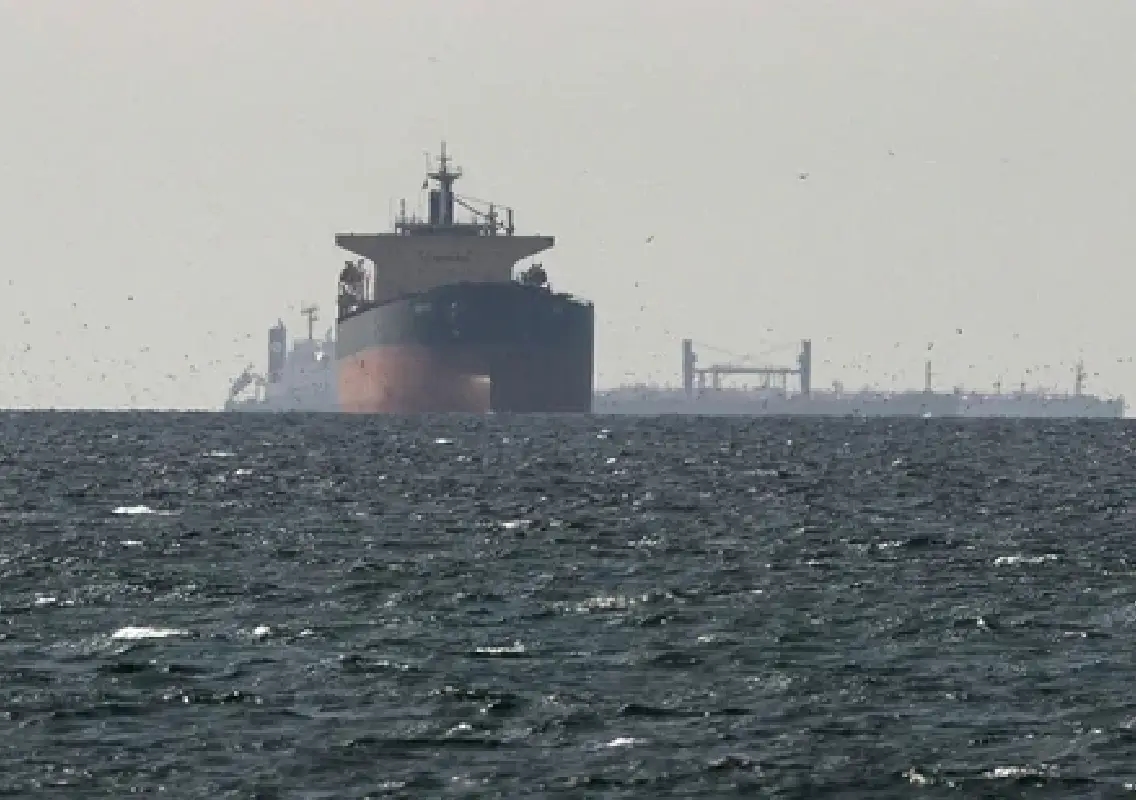


In a deeply distressing incident linked to the ongoing West Asia tensions, a 47-year-old Indian merchant navy captain died after suffering a heart attack while stranded at sea for nearly 20 days near the Strait of Hormuz.
Rakesh Ranjan Singh, a seasoned officer with over 26 years of service, was commanding the Panama-flagged oil tanker ASP Avana when he collapsed on March 18 while on duty.
Medical emergency delayed by conflict
According to family members, Singh experienced severe chest pain and collapsed on the captain’s deck. Onboard medics immediately assessed his condition and recommended urgent hospitalisation.
However, due to heightened tensions involving Iran, Israel, and the United States, the vessel remained stranded near the Persian Gulf with restricted movement. The delay in evacuation proved critical.
He was eventually transported to a hospital at Port Rashid in the UAE, but doctors declared him dead on arrival.
Vessel stranded amid geopolitical tensions
The tanker had reportedly anchored near the Strait of Hormuz since February 28 after loading crude oil from Saudi Arabia. Movement restrictions and security concerns in the region prevented timely navigation and emergency response.
Officials from the operating company stated that all possible assistance was provided onboard, along with coordination from shore-based medical teams.
Family in shock, seeks swift repatriation
The news has left Singh’s family in Ranchi devastated. His wife and two sons are struggling to come to terms with the sudden loss, especially as he had no known medical history.
His elder brother said the family is awaiting the post-mortem report for clarity on the exact cause of death. They have appealed to both the Jharkhand government and the Centre to expedite the repatriation of his mortal remains, which has reportedly been delayed due to Eid holidays.
A life dedicated to the seas
Originally from Bihar Sharif, Singh had recently returned to duty after spending time with his family. Described as fit and committed, he was the sole breadwinner of the family.
The tragedy underscores the risks faced by seafarers during geopolitical conflicts, where delays in emergency care can turn fatal. It also highlights the urgent need for stronger support systems and contingency protocols for Indian nationals working in high-risk global zones.