







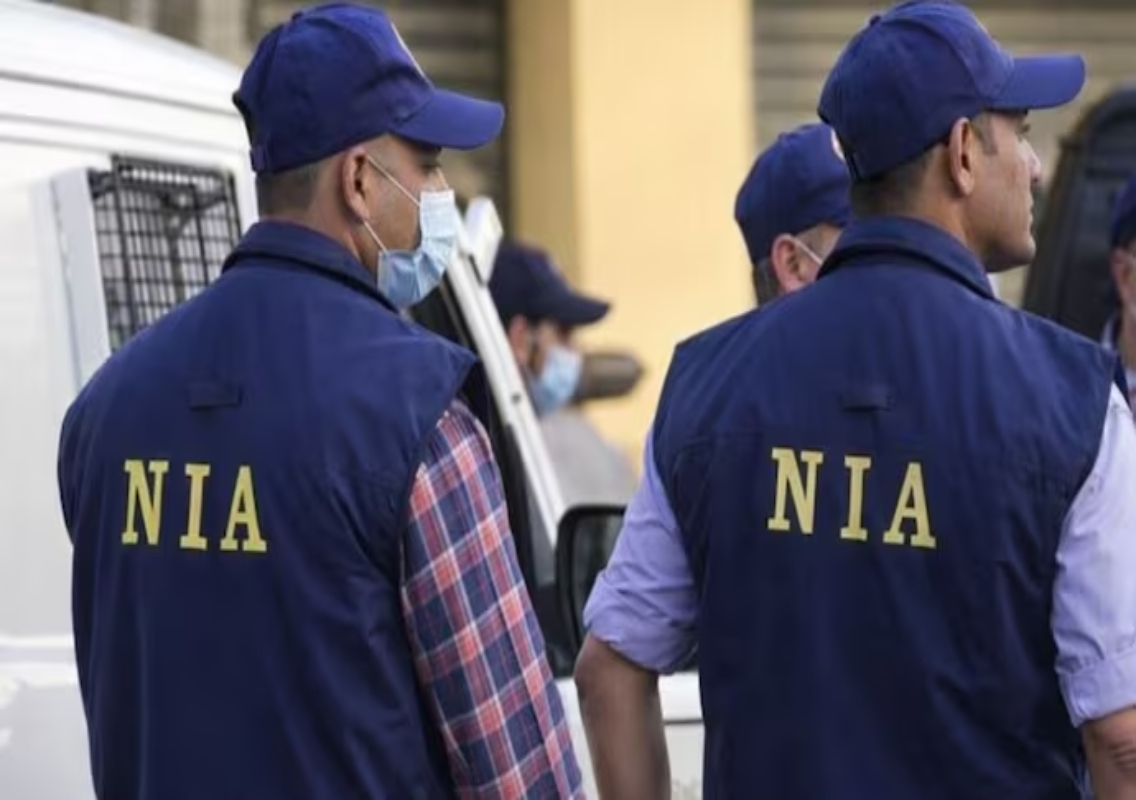


New Delhi: The National Investigation Agency (NIA) on September 29 conducted searches at 16 locations across Assam, West Bengal and Kerala as part of its investigation into an alleged cross-border terror conspiracy and radicalisation case linked to Imam Mahmuder Kafila (IMK), described by officials as an offshoot of the banned Jamaat-ul-Mujahideen Bangladesh (JMB).
According to officials cited by news agency ANI and India Today, the searches were carried out as part of an ongoing investigation into the activities of the IMK network and its suspected links with entities operating across the border. Investigators are examining alleged radicalisation activities and the possible involvement of individuals connected with the network.
Searches conducted across three states
The NIA’s latest operation covered 16 premises across three states. Of these, 10 locations were in Assam, five were in West Bengal and one was in Kerala, according to officials.
The searches form part of a case concerning suspected efforts to establish and expand an extremist network through radicalisation and cross-border links. Investigators are examining the activities of people suspected of being associated with IMK and are seeking evidence that could establish the nature and extent of those links.
The agency has not yet disclosed the exact locations of the premises searched or the identities of all individuals whose properties were searched.
Details about whether any arrests were made during Tuesday’s operation or whether documents, electronic devices or other material were seized were also not immediately available. The NIA investigation is continuing.
Probe linked to IMK network
The investigation centres on Imam Mahmuder Kafila, or IMK, which officials have described as an offshoot or manifestation of Jamaat-ul-Mujahideen Bangladesh. JMB is a banned terrorist organisation that has been associated with extremist activities in Bangladesh and the wider region.
The NIA’s investigation is focused particularly on the network’s alleged activities in Assam and its suspected connections with groups or individuals operating across the international border. Investigators are also looking into alleged radicalisation activities and attempts to expand the network’s presence.
The latest searches follow earlier investigations into the same network in Assam and neighbouring states.
In June, the NIA filed charges against 11 people in a related case before a special NIA court in Guwahati. The agency alleged that the accused had been involved in a conspiracy to expand the radical ideology of IMK in West Bengal and northeastern states, including Assam and Tripura.
According to the NIA’s earlier investigation, the alleged activities included clandestine meetings, religious indoctrination programmes, circulation of extremist literature and the use of digital platforms for propaganda and communication. The agency also alleged that vulnerable young people were being targeted for radicalisation.
Earlier arrests in Assam and Tripura
The investigation into the network had also led to arrests in Assam and Tripura in December 2025.
Assam Police’s Special Task Force had arrested 11 suspected operatives following intelligence inputs from central agencies. Those arrested included Nasim Uddin, whom intelligence agencies identified as the alleged head of the IMK module in Assam, and Jagir Miah, who was arrested in Tripura.
Police had said at the time that the network had links across Assam, West Bengal and Tripura. Investigators also alleged that encrypted social media platforms were being used for communication, recruitment and indoctrination.
The December investigation provided an earlier indication of the network’s alleged cross-border connections and its activities in northeastern India.
NIA examining alleged radicalisation links
The latest searches are intended to help investigators collect additional evidence relating to the alleged network and establish the links between individuals under scrutiny.
The agency is examining the activities of suspected associates and the possible connections between the network in Assam and entities operating across the border. Such searches are part of the investigative process and do not by themselves establish the guilt of the people whose premises are searched.
The NIA has not released a detailed statement on the evidence recovered during the September 29 searches. Further information is expected as investigators analyse material collected during the operation.
The case also highlights the continuing focus of central and state security agencies on alleged cross-border extremist networks operating in eastern and northeastern India. Previous investigations have involved Assam, West Bengal and Tripura, while the latest searches have expanded the geographic scope to include a location in Kerala.
Investigation remains underway
The September 29 searches are part of an ongoing investigation and further action will depend on the evidence collected and analysed by the NIA.
At present, officials have not provided details of any fresh arrests or recoveries resulting from Tuesday’s searches. The agency is expected to examine documents, electronic material and other evidence, if seized, to determine the suspected roles and connections of individuals linked to the case.
The NIA’s investigation will also seek to establish whether the alleged radicalisation activities and cross-border links form part of a wider organised network.