







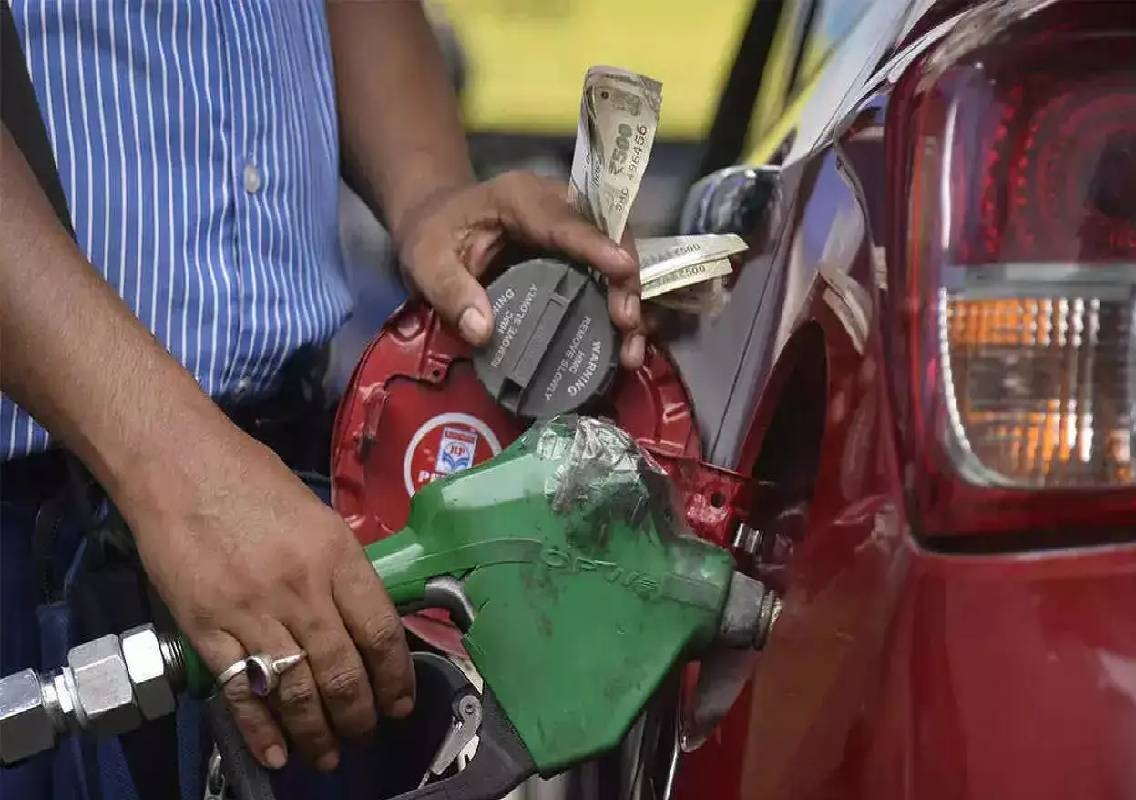


The revised fuel prices came into effect on Friday and are expected to impact transportation costs, household expenses and overall inflationary trends across the country.
According to updated rates, petrol prices in the national capital have risen from Rs 94.77 per litre to Rs 97.77 per litre, while diesel prices increased from Rs 87.67 to Rs 90.67 per litre.
Fuel prices cross Rs 100 in major cities
Following the latest revision, petrol prices in several metro cities including Mumbai, Kolkata and Chennai have crossed Rs 100 per litre once again.
The increase has added pressure on consumers already dealing with rising living costs and higher transportation expenses.
In Mumbai, petrol rates are now significantly above the Rs 100-per-litre mark, while diesel prices have also seen a sharp increase. Similar trends have been observed in Kolkata and Chennai after the nationwide revision.
Fuel prices in India vary from state to state because of differences in Value Added Tax (VAT), local levies and transportation costs.
Impact likely on transport and daily expenses
Experts believe the fuel price hike may lead to higher transportation and logistics costs, which could eventually affect prices of essential goods and services.
Petrol and diesel are key inputs for road transport, public mobility and supply chains, making fuel price changes an important factor in inflation calculations.
Commercial vehicle operators, taxi services and delivery businesses are expected to face immediate cost increases following the revision.
The hike may also impact household budgets, especially for middle-class families dependent on private vehicles for daily commuting.
Global crude oil trends under watch
Fuel price revisions in India are generally linked to global crude oil prices, exchange rate fluctuations and government taxation policies.
Analysts say volatility in international crude markets and geopolitical uncertainties continue to influence domestic fuel pricing decisions.
Oil marketing companies revise fuel prices based on a combination of international benchmarks and local operational costs.
The latest increase comes amid fluctuating global energy markets and concerns over supply disruptions in some oil-producing regions.
Opposition parties criticise fuel hike
The fuel price hike has also triggered political reactions, with opposition leaders criticising the increase and accusing the government of burdening citizens.
Several political parties have argued that rising fuel prices directly affect inflation and increase the cost of living for ordinary people.
Meanwhile, government officials have maintained that fuel pricing depends on international market conditions and economic factors beyond domestic control.
Consumers brace for further economic impact
Economists say continued increases in fuel prices could have a wider ripple effect on sectors such as agriculture, manufacturing and retail distribution.
Higher diesel prices, in particular, may affect freight movement and farming operations, as diesel is widely used in transport vehicles and agricultural machinery.
Consumers across the country are now closely watching whether further revisions will follow in the coming weeks.
For now, the Rs 3 per litre increase has once again placed fuel prices at the centre of economic and political discussions nationwide.