







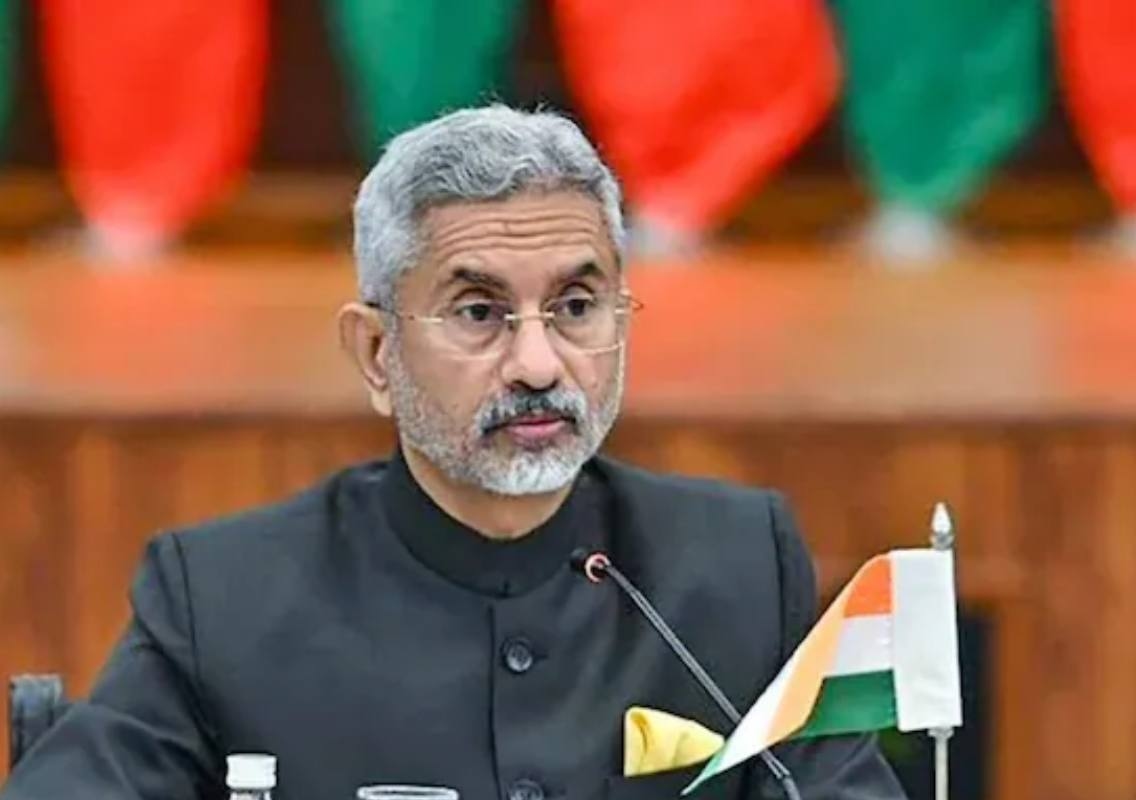


New Delhi: Russia is expected to take around 70,000 Indian skilled workers this year, particularly for sectors such as construction and logistics, External Affairs Minister S Jaishankar told a parliamentary consultative committee during a briefing on India-Russia relations.
Jaishankar outlined the expanding engagement between the two countries across trade, investment, energy, connectivity, culture and people-to-people ties. He also briefed members on India’s diplomatic efforts to support dialogue and a peaceful resolution to the Russia-Ukraine conflict.
The meeting also covered India’s efforts to secure the release of nationals who are serving or are reportedly serving with the Russian military.
According to details shared after the meeting, around 140 Indian nationals have so far been discharged from the Russian armed forces, while India is in contact with Moscow regarding the whereabouts of 55 others reportedly linked to the Russian military.
Russia plans to employ 70,000 Indian workers
One of the key developments discussed during the meeting was the movement of skilled Indian workers to Russia.
Jaishankar informed members that Russia had agreed to take around 70,000 Indian skilled workers during 2026, with construction and logistics among the sectors expected to require workers.
The proposed employment movement comes as India and Russia seek to broaden economic ties beyond their traditional areas of cooperation.
The two countries are also looking at ways to expand bilateral trade and investment in a more balanced manner. India has been seeking greater access for its products in the Russian market while also maintaining important imports from Russia.
Seven sectors identified for higher Indian exports
During the discussion on trade, Jaishankar highlighted seven sectors where India is looking to increase exports to Russia.
These include:
- Automobiles
- Pharmaceuticals
- Food products
- Marine products
- Engineering goods
- Chemicals
- Textiles
Greater exports in these areas could help India address the imbalance in bilateral trade while creating additional opportunities for Indian manufacturers and businesses.
The focus on pharmaceuticals, engineering products and textiles also reflects sectors in which Indian companies already have significant manufacturing and export capabilities.
Energy remains a key part of India-Russia ties
Energy cooperation was another major subject discussed during the briefing.
Jaishankar told the panel that India’s priority was to safeguard the interests of Indian consumers while maintaining access to energy supplies.
“Our approach is to maintain multiple sources of supply,” he said, according to people familiar with the meeting.
The approach reflects India’s broader emphasis on energy security and diversification of supply sources.
Russia remains an important energy partner for India, while New Delhi has also maintained relationships with suppliers in the Middle East and other regions.
The government has consistently maintained that energy procurement decisions must take into account the interests of Indian consumers and the country’s wider energy-security requirements.
India continues diplomatic outreach on Ukraine
The consultative committee meeting also reviewed India’s position on the Russia-Ukraine conflict.
In a social media post after the meeting, Jaishankar said he had highlighted various aspects of India’s engagement with Russia and India’s “active support to dialogue and diplomacy to end the Ukraine conflict”.
India has repeatedly maintained that the conflict should be resolved through dialogue and diplomacy.
Jaishankar has also held discussions with both Russian and Ukrainian officials as part of India’s diplomatic outreach.
Recent engagements have included his meetings with the foreign ministers of Russia and Ukraine on the sidelines of the United Nations General Assembly, as well as India’s continuing contact with both sides.
Modi-Putin meeting also discussed
The committee was also briefed on Prime Minister Narendra Modi’s recent engagement with Russian President Vladimir Putin.
During their August 31 meeting in Bishkek, Modi stressed the need for the conflict to move towards an end, with the message that “endless war must now give way to end of war”, according to details shared about the parliamentary briefing.
India has sought to maintain communication with both Moscow and Kyiv while offering to contribute to diplomatic efforts aimed at ending the conflict.
Jaishankar has previously said India is prepared to assist in any way that could help bring the war to an end. Recent reporting also said Russian President Vladimir Putin had referred to Modi as having ideas for finding mutually acceptable solutions to the conflict, while Ukrainian Foreign Minister Andrii Sybiha has acknowledged India’s diplomatic efforts.
Government working to release Indians from Russian military
The situation of Indian nationals linked to the Russian military was another important issue discussed by Jaishankar.
The minister told the committee that the Indian government had taken up the matter with Russian authorities, including at the highest levels, seeking the early discharge of Indian nationals serving with the Russian armed forces.
According to the details shared after the meeting, approximately 140 Indian nationals have been discharged so far. India is also seeking information from Russian authorities regarding the whereabouts of 55 Indian nationals reportedly still with the Russian Army.
The issue has been a continuing concern for New Delhi since reports emerged of Indian nationals travelling to Russia for jobs and subsequently becoming involved with the Russian military.
The government has repeatedly pressed Moscow for the discharge and repatriation of affected Indian nationals.
Earlier government figures have changed as individual cases were discharged, repatriated or otherwise resolved. In September 2026, Foreign Secretary Vikram Misri said India had information about 227 Indian nationals recruited into the Russian armed forces, of whom 139 had been discharged and 51 had died. New Delhi said it was continuing discussions with Moscow regarding the remaining cases.
Balancing economic ties and diplomatic concerns
The parliamentary briefing highlighted the range of issues now shaping India-Russia relations.
While the two countries continue to explore new opportunities in trade, investment, energy and employment, the Ukraine conflict remains an important part of India’s diplomatic engagement with Moscow.
For India, the challenge involves maintaining longstanding bilateral ties while continuing to push for dialogue and diplomacy on the Ukraine conflict.
The proposed movement of 70,000 skilled workers could also add a significant people-to-people dimension to the relationship, particularly if employment opportunities expand in sectors facing labour shortages.
At the same time, India’s efforts to secure the release of nationals linked to the Russian military remain a separate and sensitive issue.
India-Russia ties expand across multiple sectors
Jaishankar’s briefing underlined the increasingly broad nature of India-Russia relations.
Beyond defence and energy, the two countries are seeking greater cooperation in trade, investment, connectivity, exports and employment.
India is also looking to expand exports to Russia in seven identified sectors while maintaining diversified energy supplies.
At the diplomatic level, New Delhi continues to engage both Moscow and Kyiv on the Ukraine conflict, maintaining that dialogue and diplomacy are central to finding a peaceful settlement.
The parliamentary committee’s discussion therefore brought together both the economic and diplomatic dimensions of the relationship — from the planned movement of 70,000 Indian skilled workers to India’s efforts to bring home nationals connected with the Russian military.