







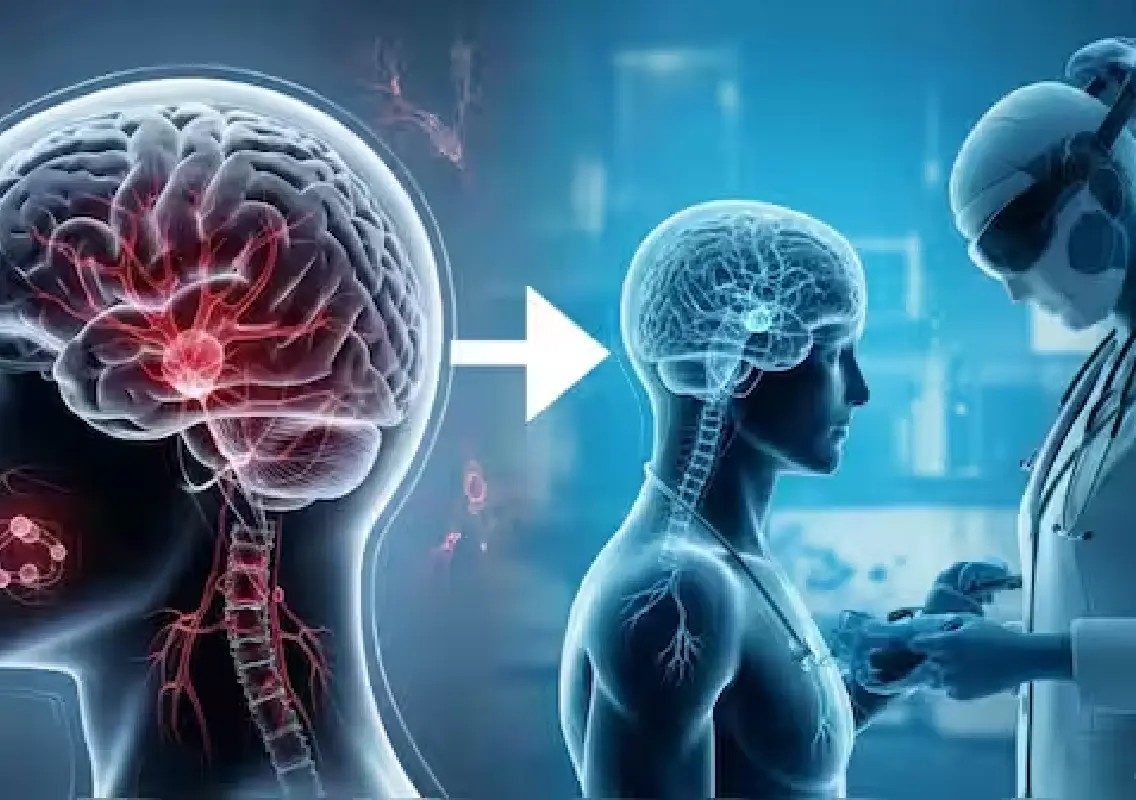


Health experts are raising awareness about brain tumours after highlighting how their early symptoms are often mistaken for everyday problems such as stress, burnout, migraines and lack of sleep.
According to global cancer data, more than 3.21 lakh new cases of brain and central nervous system (CNS) cancers are diagnosed worldwide each year, resulting in nearly 2.48 lakh deaths. In India, around 28,000 new brain tumour cases are reported annually.
Symptoms often overlooked
Doctors say one of the biggest challenges is that early warning signs frequently resemble common health complaints.
Persistent headaches, especially those that worsen over time or are more severe in the morning, are among the most commonly ignored symptoms.
Other warning signs may include unexplained nausea, vomiting, blurred or double vision, dizziness, balance problems and weakness in the arms or legs.
Changes in behaviour and memory
Neurological symptoms can also affect a person’s daily life in subtle ways.
Experts note that anxiety, irritability, confusion, memory lapses, difficulty concentrating and personality changes are sometimes incorrectly attributed to work pressure or emotional stress.
In some cases, patients may experience hearing difficulties, speech problems or seizures despite having no previous history of epilepsy.
Impact on daily life
Doctors warn that untreated brain tumours can gradually affect independence and quality of life.
Problems with coordination, memory and vision may interfere with work, studies, driving and routine activities, causing individuals to withdraw from social and professional responsibilities.
Children are particularly vulnerable, with brain and CNS tumours remaining one of the leading causes of cancer-related deaths among young patients worldwide.
Early diagnosis improves outcomes
Medical experts emphasise that these symptoms do not automatically indicate a brain tumour.
However, they advise seeking medical evaluation if symptoms persist, worsen over time or occur together.
Timely diagnosis through clinical assessment and imaging tests can significantly improve treatment outcomes and quality of life.
Doctors stress that unusual symptoms should not be normalised or ignored, as early intervention remains the most effective way to manage the condition.