







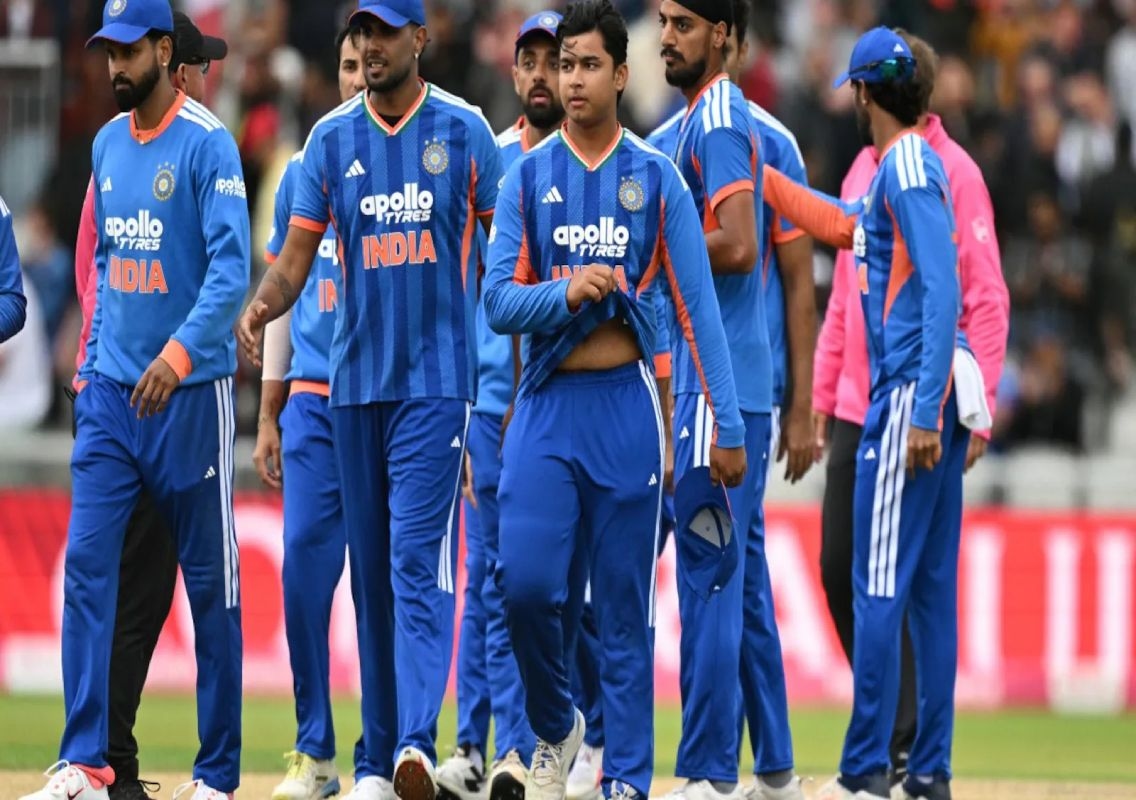


Lucknow: Former India captain Anil Kumble has strongly criticised the Indian team and its management following a crushing 125-run defeat against England in the third T20I, terming the performance an “abject surrender.” The Shreyas Iyer-led side was bowled out for a mere 76, registering one of their most disappointing batting displays in recent times.
The loss left India winless in the five-match series at that stage, putting them in a position where they could only aim to level the series by winning the remaining two games. The defeat not only exposed batting frailties but also raised serious questions about team strategy and decision-making.
Batting collapse raises serious concerns
India’s batting lineup crumbled under pressure while chasing a daunting target, failing to withstand the pace and aggression of England’s fast bowlers. Jofra Archer and Josh Tongue led the charge with disciplined and fiery spells, dismantling the Indian batting order with ease.
Kumble expressed disappointment over the lack of composure shown by Indian batters, especially in a high-pressure chase. According to him, the players failed to strike a balance between aggression and patience.
“It was an abject surrender by the Indian team. You don’t expect a world champion side to cave in like that,” Kumble remarked.
He emphasised that while the required run rate was above 10, it did not justify reckless shot selection and a complete disregard for building partnerships.
“The Indian batters needed to show more patience and application, but everyone just tried to attack instead of absorbing the pressure. Someone had to take responsibility and bat deep, but instead, they chose aggression and paid the price,” he added.
Questionable team management decisions
Apart from criticising the players, Kumble also took aim at the team management for certain tactical decisions that did not yield results. One such move was sending Harshit Rana ahead of Shivam Dube in the batting order, which raised eyebrows among experts and fans alike.
The strategy backfired as neither batter managed to make an impact, further accelerating India’s collapse. Kumble pointed out that modern T20 cricket demands experienced and capable batters to take charge in crucial situations.
“In T20 cricket, you need to put your best batters up front. Sending Harshit Rana ahead of a more complete batter like Shivam Dube was the wrong call. You cannot expect a lower-order batter to win you games consistently,” he stated.
Frequent changes affecting team stability
Kumble also highlighted the issue of constant changes in the playing XI, particularly in the bowling department. He argued that a lack of consistency prevents players from settling into their roles and delivering performances.
He cited the example of Prasidh Krishna, who was dropped after a single poor outing against Ireland, and Prince Yadav, who performed well in the subsequent match but did not receive continued backing.
“The Indian team has made too many changes to its lineup, and that needs to stop. As a new captain, you need to stick with your five bowlers. Constant chopping and changing does not help build confidence,” Kumble said.
He stressed that while batters can win matches on their day, it is often the bowlers who provide consistent breakthroughs and control, making them crucial to a team’s success.
Need for patience and long-term vision
Kumble concluded by urging the team management to show greater faith in players and adopt a long-term approach instead of reacting to every failure with immediate changes.
“When you pick players, you need to keep backing them. Ups and downs are part of the game, but that doesn’t mean failures should lead to players being dropped instantly,” he said.
The former captain’s remarks reflect growing concerns over India’s approach in the series, with questions being raised about both execution and planning. As the team looks to bounce back in the remaining matches, a more measured and stable strategy could prove crucial.