







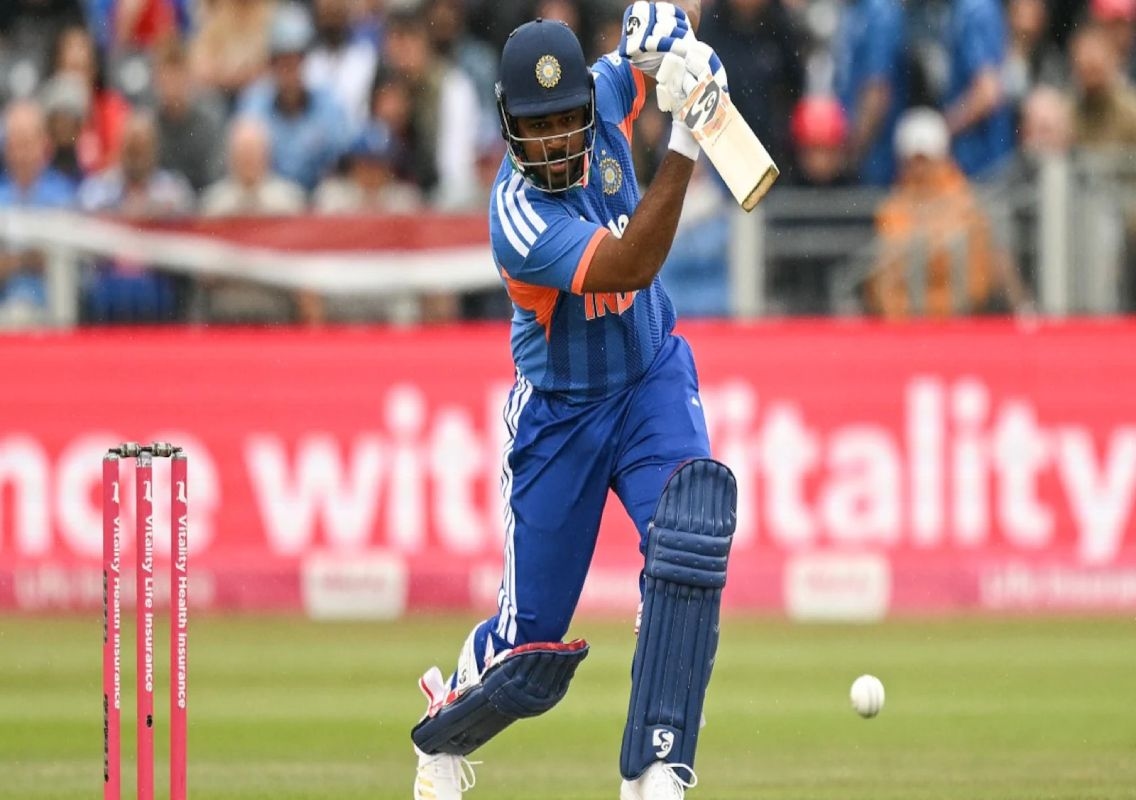


New Delhi: The exclusion of Sanju Samson from India’s squad for the upcoming T20I series against Zimbabwe has sparked sharp criticism from former cricketers, with questions being raised over the consistency and clarity of the team management’s selection policy. The decision, taken under head coach Gautam Gambhir and the Ajit Agarkar-led selection committee, has left many experts surprised, especially considering Samson’s recent contributions to India’s T20 World Cup 2026 triumph.
Former India batter Robin Uthappa was among the most vocal critics, expressing disbelief at the omission. He revealed that he initially thought the squad list was unofficial due to Samson’s absence. “When I first saw the squad, I genuinely thought it was one of those fan-made teams circulating online because Sanju’s name wasn’t there,” Uthappa said during a discussion on YouTube. “Then I realised it was the actual squad, and my first thought was: how long are you going to keep treating one player like this? It just doesn’t feel right.”
Questions over selection consistency
Uthappa criticised the lack of consistency in the selectors’ approach, particularly given Samson’s role in India’s recent World Cup success. He pointed out that dropping a player of Samson’s calibre based on a brief dip in form seemed like an overreaction rather than a well-thought-out decision.
“Here’s a player who helped win you a World Cup just four months ago. Maybe he has been told he’s being rested, but does someone deserve to be left out because of two first-ball dismissals and another low score? That doesn’t make sense to me,” he added.
The selection committee opted for Ishan Kishan and Prabhsimran Singh as the specialist wicketkeeping options for the Zimbabwe tour, while young sensation Vaibhav Sooryavanshi is expected to open alongside Abhishek Sharma. The move indicates a continued push towards grooming younger players in the T20 format.
Ajinkya Rahane seeks clarity
Adding to the debate, former India captain Ajinkya Rahane also expressed surprise over Samson’s omission. In a message shared on social media, Rahane hoped that the selectors had communicated their decision clearly to the player.
“Find it odd that the hero of our recent T20 World Cup win has been left out of the T20 squad to Zimbabwe. Hope to see him back in the team soon,” Rahane noted, signalling concern over both the decision and the manner in which it may have been conveyed.
Youth focus or reactive decision?
The exclusion of Samson has once again highlighted the ongoing transition phase in India’s T20 setup. While the inclusion of emerging players like Sooryavanshi reflects a forward-looking approach, critics argue that such decisions should not come at the cost of sidelining experienced performers without clear reasoning.
Samson’s recent T20I form may not have been exceptional following the World Cup, but his overall impact and ability to deliver in high-pressure situations have been widely acknowledged. Experts believe that completely dropping him from the squad, rather than rotating or resting him, raises concerns about whether the selection strategy is reactive rather than part of a structured long-term plan.
Balancing experience and opportunity
India’s approach to team building appears to be centred on creating a strong bench and identifying future stars ahead of major tournaments. However, maintaining a balance between nurturing young talent and retaining experienced players remains a challenge.
The current debate also underscores the importance of clear communication between selectors and players. Ensuring that decisions are transparent and aligned with a long-term vision is crucial for maintaining confidence within the squad.
Conclusion
As discussions around Sanju Samson’s omission continue, the focus will remain on how the team management justifies its decisions and manages player transitions. With the Zimbabwe series offering an opportunity to test new combinations, the spotlight will be on whether the strategy yields the desired results. For now, the criticism from former players reflects a broader concern about consistency, fairness, and direction in India’s T20 selection process.