







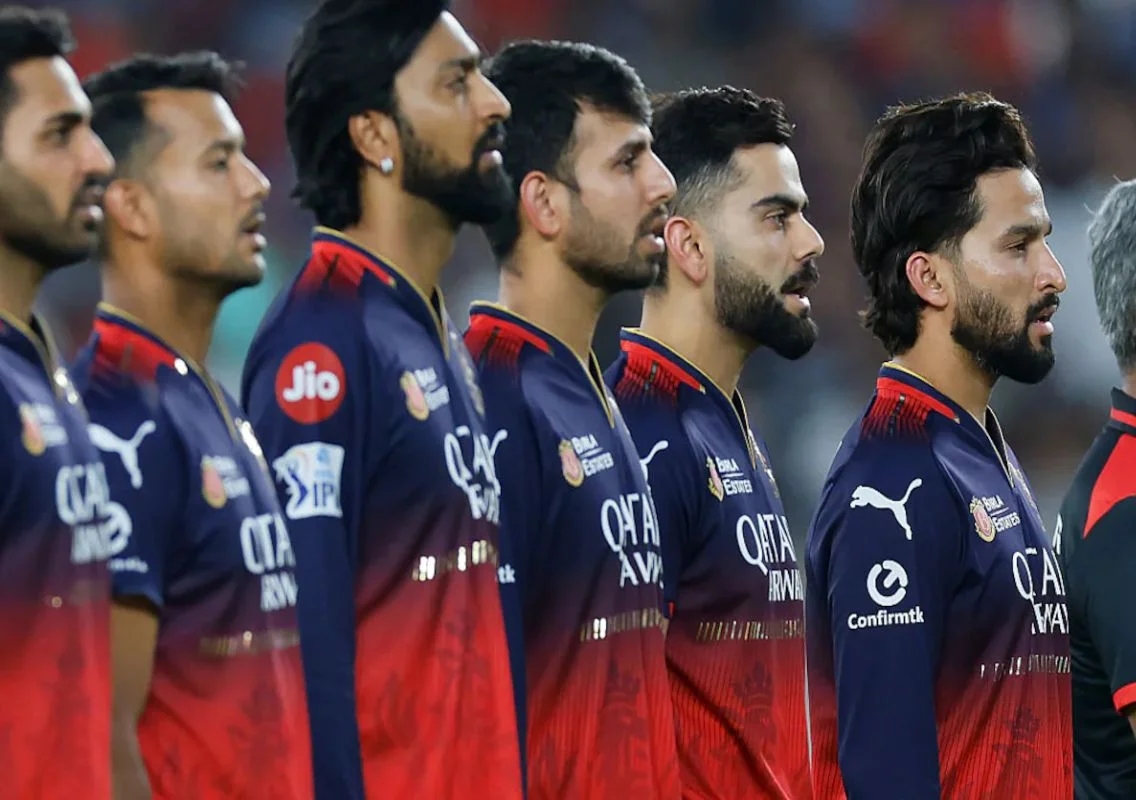


Mumbai: The recent sale of two Indian Premier League (IPL) franchises — Royal Challengers Bengaluru and Rajasthan Royals — for a combined valuation exceeding Rs 31,000 crore has sparked debate among industry experts, with some questioning the sharp rise in franchise valuations despite limited recent growth drivers.
On March 24, both franchises, which have been part of the IPL since its inception in 2008, changed ownership in blockbuster deals. A consortium led by the Aditya Birla Group emerged as the lead bidder for RCB, acquiring the franchise for approximately USD 1.78 billion (around Rs 16,700 crore). Meanwhile, RR was purchased by a US-based consortium led by Kal Somani for USD 1.63 billion (approximately Rs 15,290 crore).
Together, the deals underline the IPL’s status as one of the most lucrative sporting leagues in the world. However, the valuations have raised eyebrows, particularly when compared to recent franchise transactions.
Experts question steep valuation jump
Santosh N, managing partner at D&P Advisory, described the valuations as “very difficult to understand,” especially in light of the relatively lower valuation seen in the recent acquisition of the Gujarat Titans franchise.
He pointed out that within a year, franchise valuations appear to have nearly doubled, despite a lack of significant positive developments in the league’s commercial ecosystem.
“So in a year, it is almost like a double valuation. And what has happened in that one year is actually only negative for the IPL — the real-money gaming ban, the broadcasting rights renewal has not happened in this one-year window, no new title sponsorship deals, none of the marquee deals have happened for IPL,” he said in an interview with The Indian Express.
According to him, the absence of major commercial tailwinds makes the surge in valuations particularly puzzling.
Revenue versus valuation gap
A key concern flagged by experts is the widening gap between franchise revenues and their market valuations. Santosh highlighted that IPL teams typically earn around Rs 500 crore annually from the central revenue pool, largely driven by broadcasting rights.
In addition, franchises generate approximately Rs 200 crore to Rs 300 crore through sponsorships, ticket sales, and merchandise. This brings the total annual revenue of a franchise to roughly Rs 700 crore to Rs 800 crore.
“Even then, we are talking about less than USD 100 million in revenue, while valuations are touching USD 1.7 billion — nearly 20 times revenue,” he noted.
Such a high revenue multiple, he suggested, may not be sustainable unless there is significant long-term growth in media rights, sponsorship deals, or global expansion of the league.
Details of the RCB acquisition
The RCB deal, now the costliest in IPL history, includes both the men’s and women’s teams. The franchise was previously owned by United Spirits Limited, a subsidiary of Diageo.
Sources indicated that United Spirits was looking to exit the franchise as it no longer aligned with its core business strategy.
As part of the new ownership structure, Aryaman Vikram Birla, director at the Aditya Birla Group, is expected to take over as chairman of RCB. He will be supported by Satyan Gajwani, vice-chairman of Times Internet, who will serve as his deputy.
Regulatory approvals still pending
While the deals have been agreed upon, they are yet to receive formal approval from key regulatory and governing bodies, including the Board of Control for Cricket in India (BCCI), the IPL Governing Council, the Women’s Premier League authorities, and the Competition Commission of India.
These approvals are expected to be procedural, but remain a necessary step before the ownership transitions are officially completed.
What lies ahead for IPL valuations
The record-breaking deals highlight the enduring appeal and financial strength of the IPL, even amid concerns about sustainability. With global interest in franchise-based leagues growing, investors continue to bet on long-term value creation through media expansion, digital engagement, and international markets.
However, experts caution that unless revenues grow in line with valuations, such aggressive pricing could lead to future corrections. The coming years — particularly with upcoming media rights negotiations and sponsorship cycles — will be crucial in determining whether these valuations are justified or inflated.
In the meantime, the RCB and RR deals stand as a testament to the IPL’s unmatched commercial power, even as they trigger fresh debates about financial realism in sports investments.