







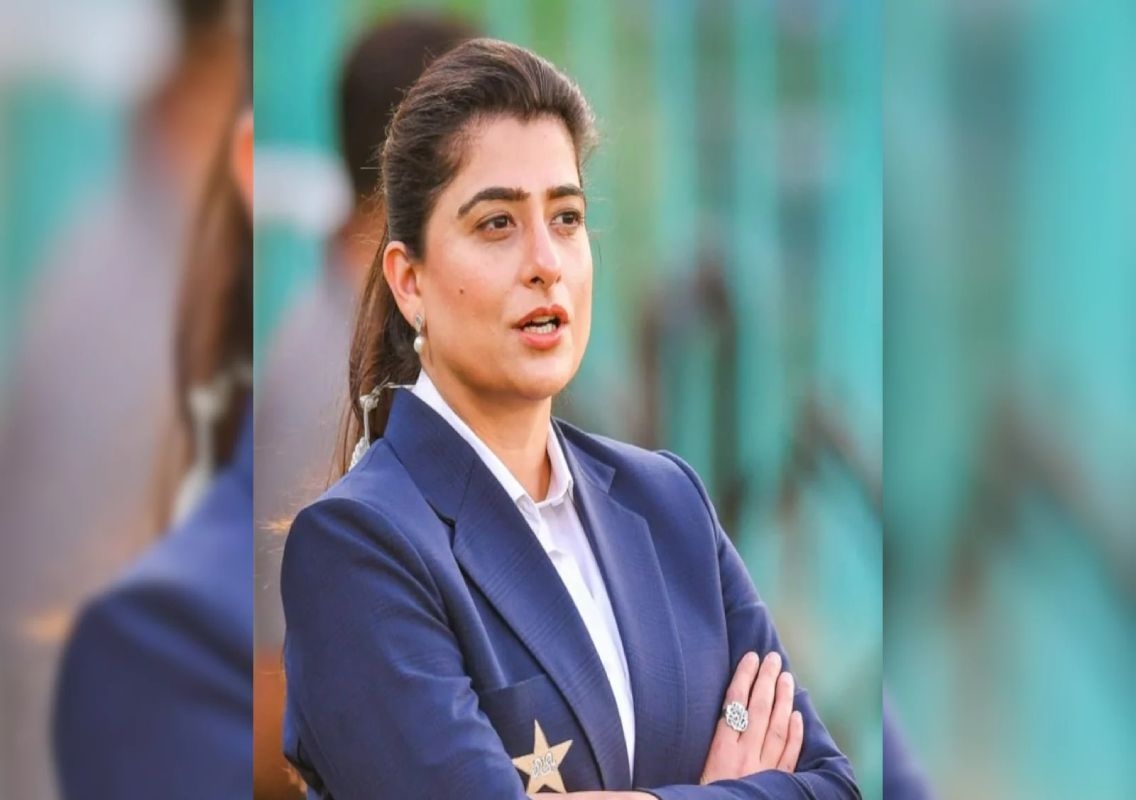


Karachi: Former Pakistan captain Sana Mir has strongly criticised the “sexist tone” adopted by sections of fans and critics while evaluating the performance of the national women’s cricket team in the ongoing Women’s T20 World Cup. Her remarks come after Pakistan concluded their campaign with a consolation win over the Netherlands, following four consecutive defeats earlier in the tournament.
Pakistan’s losses came against strong sides including India, South Africa, Australia and Bangladesh, leading to widespread disappointment among supporters. However, Mir emphasised that criticism of performance must remain fair and should not be influenced by gender bias.
Calls out double standards
Sana Mir highlighted what she described as “double standards” in the way men’s and women’s cricket teams are judged in Pakistan. She questioned why criticism of the women’s team often carries a sexist undertone, something rarely seen when the men’s team underperforms.
She pointed out that when the men’s team fails, critics do not resort to remarks suggesting players should abandon cricket for domestic roles. In contrast, similar comments have been directed at women cricketers, reflecting deep-rooted gender biases in public discourse.
Mir stated that while criticism is a natural part of sport, the tone and language used should remain respectful and focused on performance rather than gender.
Disappointment over lack of respect
Mir, who is currently involved in commentary during the World Cup, acknowledged that the team’s performance has been below expectations. However, she stressed that the manner in which discussions are conducted is equally important.
According to her, even after years of progress, women’s cricket in Pakistan continues to struggle for equal respect. She expressed concern that achievements and efforts of female cricketers are often overshadowed by prejudiced narratives.
Mir added that the issue goes beyond results on the field and reflects a broader societal mindset that needs urgent change.
Challenges faced by women cricketers
The former captain also drew attention to the unique challenges faced by women pursuing professional cricket in Pakistan. She said it has taken years to convince people that women in the country have the talent and potential to succeed at the highest level.
Mir noted that societal barriers, limited opportunities and lack of infrastructure have historically restricted the growth of women’s cricket. Despite these challenges, the team has shown promise and even caused notable upsets in international competitions over the years.
She stressed that acknowledging these challenges is crucial while evaluating the team’s performance, as it provides important context often ignored in public criticism.
Concerns over misinformation and trolling
Sana Mir also condemned the growing trend of using AI-generated content and social media platforms to mock women cricketers. She said such content not only spreads misinformation but also causes emotional distress to players and their families.
She expressed particular concern over how easily such material circulates online, amplifying negativity and reinforcing harmful stereotypes. According to Mir, this form of criticism crosses the line from sports analysis into personal attacks.
Need for structural improvements
Beyond addressing societal attitudes, Mir emphasised the need for structural reforms within Pakistan’s women’s cricket system. She pointed out that the limited pool of players and lack of competitive domestic tournaments affect the overall standard of the team.
Mir noted that the absence of strong competition for places in the national side can impact player motivation and performance. Expanding the talent pool and organising more domestic competitions, she said, are essential steps for long-term improvement.
Conclusion
Sana Mir’s remarks underline the urgent need to separate performance-based criticism from gender bias in sports discourse. While acknowledging the team’s shortcomings, she called for a more balanced and respectful approach towards women’s cricket. Her comments also highlight the importance of addressing structural and societal challenges to ensure sustained growth of the sport in Pakistan.