







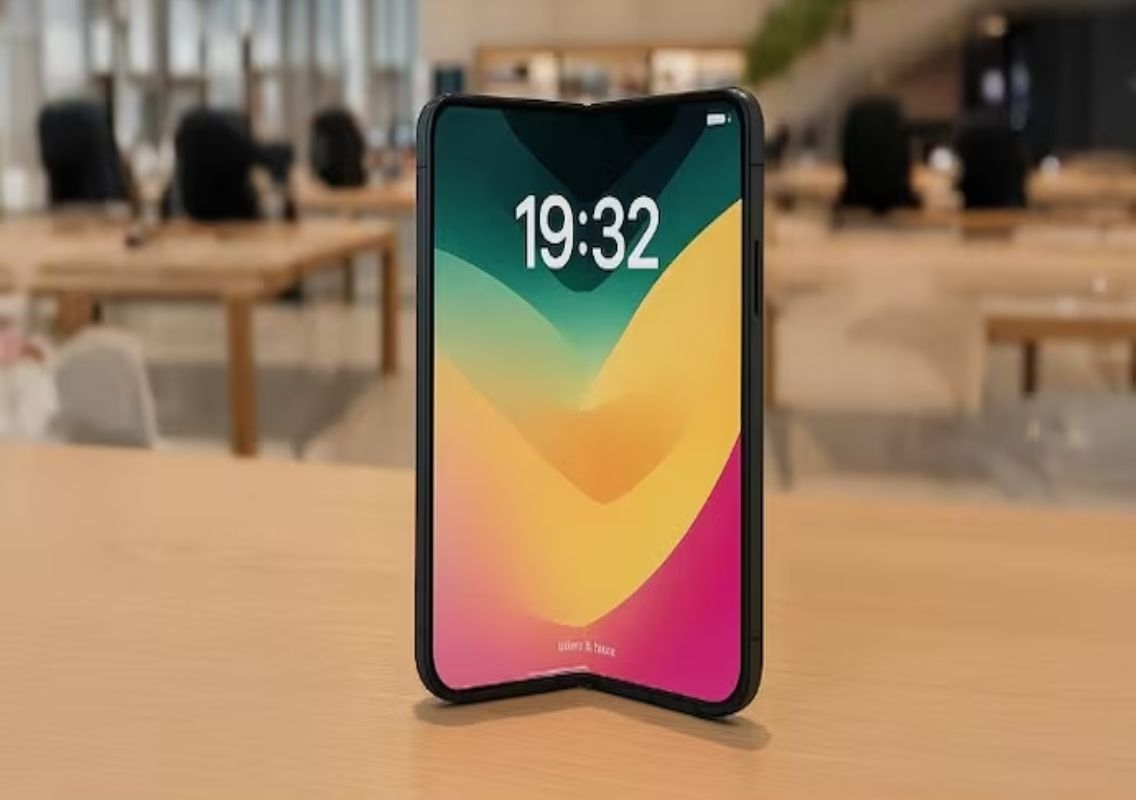


Cupertino: Fresh software clues discovered in Apple’s upcoming operating systems have reignited speculation about the company’s long-rumoured foldable iPhone and a touchscreen-enabled MacBook. While the tech giant has not officially confirmed any such products, early indicators within iOS 27 and macOS 27 suggest that Apple could be quietly preparing its ecosystem for entirely new device formats.
For years, industry analysts and insiders have speculated about Apple entering the foldable smartphone segment and introducing touch functionality to its Mac lineup. However, the company has consistently refrained from acknowledging these developments publicly. Now, recent findings in its latest software updates indicate that such devices may no longer be distant possibilities.
Software hints point to evolving hardware strategy
According to reports, Apple’s newest operating systems include references to hardware categories that have yet to be announced. These clues do not directly confirm the launch of new products, but they strongly suggest that Apple is working behind the scenes to adapt its software for devices with unconventional form factors.
One of the most notable changes has been observed in iPhone Mirroring on Mac. The feature now supports layouts that extend beyond the screen dimensions of current iPhones. This development has led experts to believe that Apple is preparing for devices with significantly larger or flexible displays.
Additionally, Apple has been encouraging developers to design applications that can seamlessly adjust to varying screen sizes and orientations. While this may appear to be a general improvement, it aligns closely with the requirements of foldable devices, which operate in multiple configurations.
Further examination of iOS 27 beta code has reportedly revealed references to devices with multiple displays and the ability for software to adapt based on how a device is opened or positioned. These features are typically associated with foldable smartphones, strengthening the possibility that Apple is actively working on such technology.
Foldable iPhone rumours gain momentum
Speculation around a foldable iPhone suggests that Apple could adopt a book-style design, similar to some existing foldable devices in the market. This design would feature a compact outer display and a larger inner screen that unfolds for an expanded viewing experience.
Another area where Apple is believed to be focusing its efforts is display quality. Reports indicate that the company has been investing heavily in reducing the visible crease that remains a challenge for many current foldable smartphones. If successful, this could give Apple a competitive edge in the premium segment.
While there is no official timeline, some reports suggest that the foldable iPhone could debut alongside the iPhone 18 Pro series. However, production complexities and technological challenges may impact its availability during the initial phase.
macOS updates revive touchscreen MacBook talks
Alongside developments in iOS, the latest macOS version has sparked fresh discussions about a touchscreen MacBook. Apple has introduced several interface changes that appear to be more suited for touch interaction than traditional keyboard-and-trackpad use.
Among these updates is the addition of pull-to-refresh functionality, a feature widely used on smartphones and tablets. This inclusion has raised questions about whether Apple is gradually adapting macOS for touch-enabled hardware.
The company has also enhanced touch capabilities through its Sidecar feature, which allows users to interact with macOS using an iPad as a secondary display. These improvements point towards a more integrated experience between Apple’s devices.
Another noteworthy update is the redesigned Siri search interface on Mac. The interface bears similarities to the design language used in modern iPhones, suggesting that Apple may be working towards a unified user experience across its ecosystem.
Uncertain timeline but clear direction
Despite growing evidence, Apple has not provided any official confirmation regarding the launch of a foldable iPhone or a touchscreen MacBook. Industry insiders suggest that a touchscreen MacBook could arrive by late this year or early 2027, although these timelines remain speculative.
What is evident, however, is that Apple appears to be laying the groundwork for future innovations well in advance. By updating its software to support new types of hardware, the company is ensuring a smooth transition whenever these products are eventually introduced.
Conclusion
The latest developments in iOS 27 and macOS 27 indicate that Apple is actively preparing for the next phase of device evolution. While the foldable iPhone and touchscreen MacBook remain unconfirmed, the software changes strongly suggest that these innovations are under serious consideration. As the tech industry continues to evolve, Apple’s cautious yet strategic approach could position it strongly in emerging product categories.