







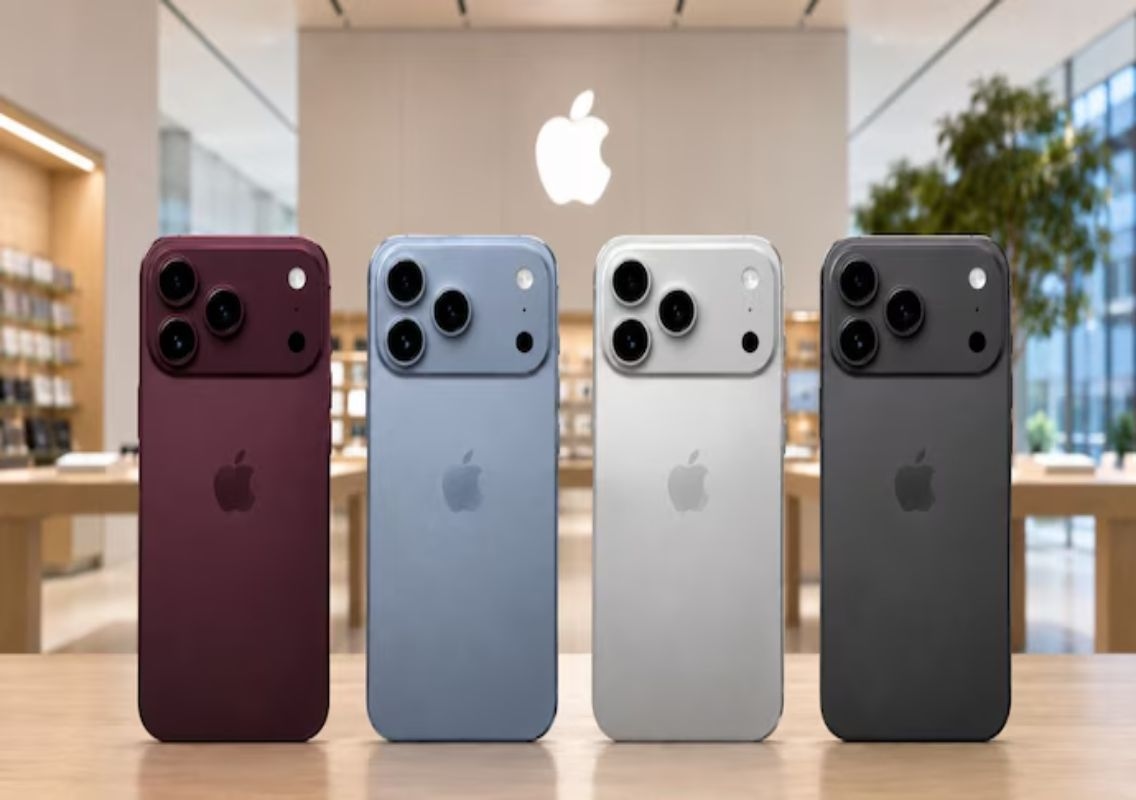


Cupertino: The iPhone 18 Pro may not deliver the long-anticipated full-screen redesign that many Apple fans have been waiting for, but early leaks and reports suggest that the upcoming flagship could still introduce several meaningful upgrades across performance, cameras, battery life and design refinements.
With every new iPhone cycle, speculation begins almost immediately after the previous model launches. This time is no different, as discussions around whether to opt for the upcoming iPhone 17 Pro or wait for the iPhone 18 Pro are already gaining traction among consumers.
While the iPhone 18 Pro may not represent a radical visual overhaul, it is shaping up to be a significant improvement in areas that matter most to users.
Smaller Dynamic Island expected
One of the most notable visual changes expected in the iPhone 18 Pro lineup is a smaller Dynamic Island. According to multiple leaks and CAD-based renders, Apple is likely to reduce the size of the pill-shaped cut-out on the display.
Reports indicate that the Dynamic Island could shrink by nearly 35 per cent compared to current models. Earlier rumours suggested Apple might introduce under-display Face ID technology, leaving only a minimal hole-punch for the front camera. However, recent developments indicate that this technology may not yet be ready for mass production.
As a result, Apple may opt for a gradual design evolution rather than a complete overhaul. The full-screen, uninterrupted display design could be postponed to a future generation, possibly the iPhone 19 series.
Apart from this change, the overall design language is expected to remain similar to the iPhone 17 Pro, including the triple rear camera setup and the prominent camera module.
New colour options could stand out
Another area where Apple may introduce noticeable changes is colour options. Leaks from supply chain sources suggest that the company is experimenting with a range of new finishes for the Pro lineup.
Some of the reported colour variants include dark cherry, sky blue, silver and dark grey. The dark cherry shade, in particular, is said to feature a subtle purple tint, making it a distinctive addition to the lineup. There are also mentions of magenta and blue variants under testing.
Interestingly, Apple may continue its shift away from the traditional black finish for Pro models. Reports also indicate that the company is working on improving the visual integration between the aluminium frame and the rear glass panel, creating a more seamless and refined appearance.
Additionally, there are unconfirmed rumours about a partially transparent Ceramic Shield area around the MagSafe charging ring, although this feature remains speculative.
Camera and display improvements in focus
The iPhone 18 Pro is expected to see major upgrades in camera and display technology, which could become the highlight of the device.
On the display front, Apple is reportedly planning to introduce improved LTPO+ panels. These displays are expected to be more power-efficient, helping extend battery life without significantly increasing battery capacity.
Camera enhancements could be even more significant. One of the key features under consideration is variable aperture control for the main camera sensor. This would allow users to manually adjust the amount of light entering the lens, improving low-light photography and offering better control over depth of field.
In addition, Apple is said to be testing a new three-layer stacked image sensor, potentially sourced from Samsung. This could improve image quality, dynamic range and processing speed.
There are also reports suggesting larger apertures for both the main and telephoto lenses, along with a possible teleconverter system aimed at enhancing zoom capabilities. However, details about how this system would function within the compact smartphone design are still unclear.
A20 chip and battery upgrades
Under the hood, the iPhone 18 Pro lineup is expected to feature Apple’s next-generation A20 Pro chip. This processor is likely to be built using TSMC’s advanced 2-nanometre fabrication process.
Early estimates suggest that the chip could deliver around 15 per cent faster performance and up to 30 per cent improved power efficiency compared to its predecessor. This could result in smoother multitasking, improved gaming performance and better handling of artificial intelligence-driven features.
Apple is also reportedly exploring a new WMCM packaging method, which integrates RAM more closely with the CPU, GPU and Neural Engine. This approach could improve performance while optimising internal space.
Battery life is another area expected to see gains. The iPhone 18 Pro Max is rumoured to include a battery capacity between 5,100mAh and 5,200mAh. Combined with efficiency improvements from the new chip and display, this could make battery performance one of the standout features of the device.
Connectivity enhancements likely
Connectivity upgrades are also anticipated with the iPhone 18 Pro series. Apple’s next-generation C2 modem is expected to offer improved 5G performance, particularly in mmWave networks.
Additionally, support for NR-NTN satellite connectivity could enable expanded satellite-based services. This may allow certain applications, such as navigation and media access, to function even in areas without traditional network coverage.
Expected launch timeline
Apple is widely expected to unveil the iPhone 18 Pro and iPhone 18 Pro Max in September 2026, in line with its traditional product launch schedule. However, some reports suggest that parts of the broader iPhone 18 lineup could be released at a later stage.
Conclusion
While the iPhone 18 Pro may not introduce the dramatic full-screen redesign that many users have been anticipating, it is still shaping up to be a substantial upgrade. Improvements in performance, battery life, camera technology and design refinements suggest that Apple is focusing on enhancing the overall user experience rather than making purely cosmetic changes.
For buyers debating whether to upgrade immediately or wait, the iPhone 18 Pro could offer enough advancements to justify holding off—especially for those seeking better performance and longer battery life.