







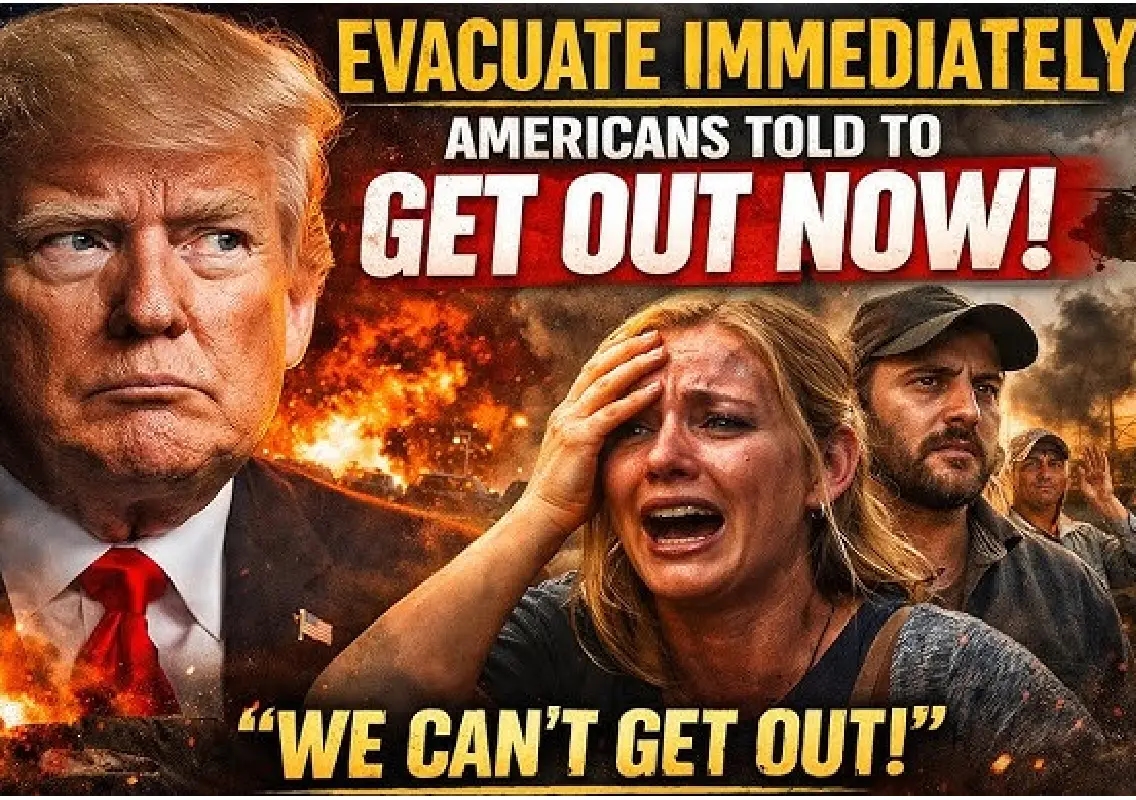


The conflict involving Iran, Israel and the United States has intensified sharply, with heavy airstrikes and retaliatory missile attacks spreading across West Asia. As fighting escalates, Americans and other foreign nationals in the region are attempting to evacuate amid growing security fears.
Massive strikes and retaliation
Recent days have seen large-scale airstrikes by US and Israeli forces targeting Iranian military infrastructure, missile systems and command centres. Some reports indicate that thousands of targets have been hit, significantly damaging Iran’s air-defence and military capabilities.
Iran has responded with waves of missile and drone attacks targeting Israel, US military facilities and strategic infrastructure across the Gulf region. Attacks have reportedly reached several countries including Saudi Arabia, Qatar, Bahrain and Kuwait.
Region-wide impact and casualties
The conflict has quickly expanded beyond a single battlefield. Israeli strikes have also targeted areas linked to Iranian allies in Lebanon, while Iran has fired missiles at Israeli cities and US-allied installations.
Civilian casualties are mounting. Reports indicate that more than 1,200 people have died in Iran, while dozens have been killed in Lebanon and other affected areas as the violence spreads.
Americans trying to leave conflict zones
With attacks intensifying, foreign nationals—including many Americans—are attempting to leave the region through emergency evacuations and commercial flights.
Authorities have issued warnings advising citizens to avoid high-risk areas and to prepare for disruptions in transport and communications.
Some diplomatic facilities have also reduced operations or evacuated staff as a precaution amid the ongoing strikes.
Strategic waterway and global concerns
The conflict has also raised fears about disruptions to the Strait of Hormuz, one of the world’s most critical oil shipping routes. Analysts warn that instability in this region could significantly affect global energy supplies and international trade.
With missile attacks continuing and military operations expanding, the situation in West Asia remains volatile, and international leaders are urging restraint to prevent the conflict from escalating into a wider regional war.