







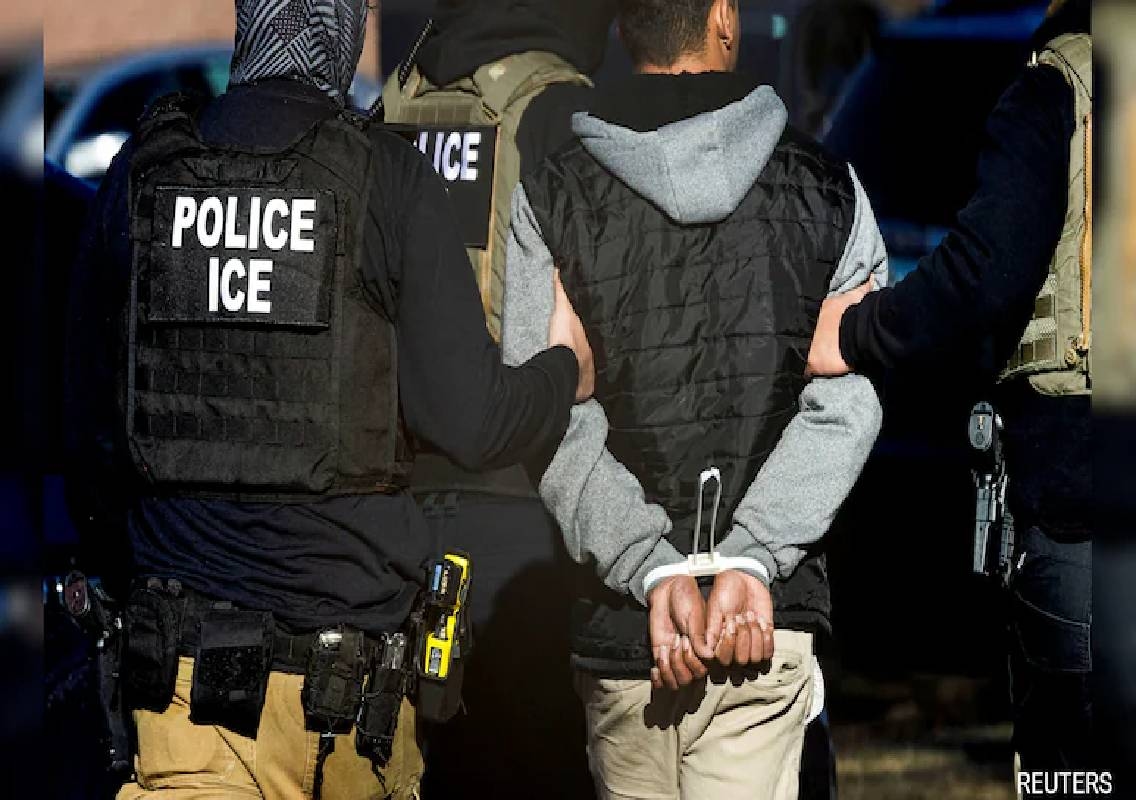


Washington: A Kosovo-born man who says he worked undercover for US intelligence and infiltrated Al Qaeda after the September 11 attacks is now facing deportation from the United States after being arrested by Immigration and Customs Enforcement (ICE).
Blerim Skoro, 55, was arrested on August 3 outside an immigration office in New Jersey, where he had gone to renew his immigration paperwork. His lawyers are now asking a federal court to stop his deportation, arguing that he had been promised legal residency after years of cooperation with US intelligence.
Who is Blerim Skoro?
Skoro is a Kosovo-born father of three who currently works as a taxi driver in Staten Island, New York. He is married to an American citizen and has children who are US citizens.
According to court filings and accounts reported by CBS News, Skoro began cooperating with US authorities after he was imprisoned for heroin trafficking in 2000. While serving his sentence in Pennsylvania, he provided information about suspected terrorists and militant networks.
His cooperation reportedly continued for several years and eventually involved intelligence work against extremist organisations.
How he allegedly infiltrated Al Qaeda
Skoro says his work for US intelligence took him into some of the most dangerous environments connected to the post-9/11 war on terror.
His lawyers say he provided intelligence that helped US authorities target members of Al Qaeda, Al Shabaab and Hezbollah. He also claims to have infiltrated Al Qaeda networks after the September 11 attacks.
Reports say his intelligence work extended across parts of the Middle East and Europe. The information he supplied allegedly contributed to investigations and arrests involving terrorist suspects.
However, it is important to note that the public reporting describes Skoro as a self-described CIA agent or informant, and some of the claims about his intelligence role come from him and his lawyers.
Arrested while renewing immigration paperwork
Skoro’s arrest came during what was reportedly a routine visit to an immigration office in New Jersey.
ICE agents detained him on August 3 while he was there to renew his paperwork. He has remained in immigration detention while his legal team challenges the deportation proceedings.
The circumstances have attracted attention because Skoro had previously received protection from deportation.
In 2022, he was granted a deferral of removal because of the danger he could face if returned to Kosovo, according to his lawyers and court records cited in reports.
Why does Skoro fear deportation?
Skoro’s lawyers argue that sending him back to Kosovo could put his life at risk because of his past intelligence work.
They say his cooperation with US authorities made him a potential target for terrorist organisations and that he could face capture or torture if returned.
His earlier protection from deportation was reportedly based partly on those concerns.
Skoro has also expressed fear about being separated from his American family.
Speaking from detention, he reportedly said he never expected the US government to turn against him after the risks he claims to have taken while working for American intelligence.
Lawyers seek to stop deportation
Skoro’s legal team has filed in federal court seeking to prevent his removal from the US.
His lawyers argue that he was promised residency as compensation or protection for his years of intelligence cooperation.
The case could therefore raise questions about the obligations of the US government towards foreign nationals who provide intelligence assistance, particularly when that cooperation allegedly involves significant risks to their lives.
The government will ultimately have to determine whether Skoro has a legal basis to remain in the country.
A complicated immigration history
Skoro’s immigration history reportedly stretches back more than two decades.
After beginning his cooperation with US authorities while imprisoned, he was eventually deported to Kosovo in 2007, according to reports.
He later returned to the United States and built a family life there.
His lawyers argue that his subsequent cooperation with American intelligence should be taken into account when considering his immigration status and the danger he could face if deported.
His case comes amid an immigration crackdown
Skoro’s arrest comes as the Trump administration has intensified immigration enforcement across the United States.
ICE has increased arrests and deportation efforts targeting people considered to be in the country unlawfully or without valid immigration status.
The case is unusual because of Skoro’s alleged history of cooperation with US intelligence and counterterrorism authorities.
It therefore raises a different question from ordinary immigration cases: whether someone who claims to have assisted the US government in operations against terrorist organisations should receive special consideration because of that service.
Intelligence work allegedly helped target terror groups
According to Skoro’s lawyers, his cooperation provided information that helped authorities pursue members of several militant organisations.
CBS News reported that his lawyers attributed his previous protection from deportation partly to his assistance in securing arrests involving Al Qaeda, Al Shabaab and Hezbollah.
The details of his intelligence activities have not all been publicly disclosed, which is unsurprising given the sensitive nature of counterterrorism operations.
Some of the claims surrounding his work remain allegations rather than independently confirmed details.
The broader issue of informants and immigration
The case highlights the difficult position of foreign informants who assist intelligence agencies.
Such individuals can provide valuable information because of their access to extremist groups, criminal organisations or other hard-to-reach networks. However, their immigration status may remain complicated even after their cooperation ends.
In some cases, informants may also face serious retaliation if their identities or past activities become known.
Skoro’s lawyers are effectively arguing that his alleged intelligence service and the danger associated with it should protect him from deportation.
What happens next?
For now, Skoro remains in immigration detention while his legal challenge proceeds.
A federal court will have to consider the arguments raised by his lawyers, including claims surrounding his alleged intelligence cooperation and the danger he could face if returned to Kosovo.
The outcome could determine whether he is allowed to remain in the United States or is ultimately removed from the country.
The case is also likely to draw attention because it sits at the intersection of national security, intelligence cooperation and US immigration enforcement.
Conclusion
Blerim Skoro, a 55-year-old Kosovo-born man who says he worked as a US intelligence informant and infiltrated Al Qaeda after 9/11, is facing deportation after ICE arrested him in New Jersey earlier this month. His lawyers argue that he was promised residency following years of cooperation and that returning him to Kosovo could expose him to serious danger.
Skoro’s case remains ongoing, and several details about his alleged intelligence career have not been independently verified. For now, his legal team is seeking to stop the deportation while he remains in US immigration custody.