


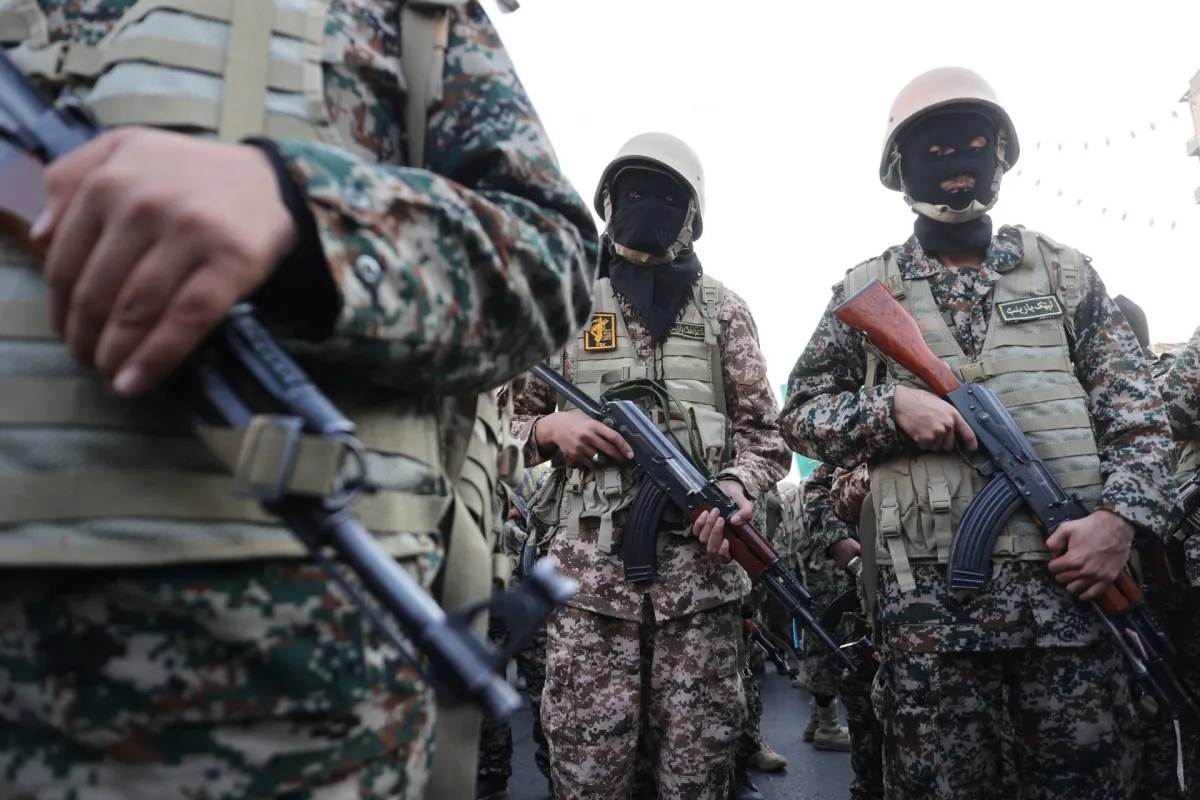


Washington: Iran has significantly increased efforts to target American personnel overseas, with alleged lethal plots against US citizens reaching “advanced stages” in the Middle East and other countries, according to an intelligence warning issued by US Director of National Intelligence Jay Clayton.
In an unclassified memo dated October 23 and addressed to Secretary of State Marco Rubio, Clayton said intelligence gathered through various channels indicated a substantial increase in efforts to target US personnel. CIA Director John Ratcliffe was also copied on the communication.
The warning comes as Washington reduces staffing at several diplomatic missions across the Middle East amid heightened security concerns linked to Iran and Yemen’s Iran-aligned Houthi movement. The US State Department has ordered non-emergency personnel and their family members to leave diplomatic missions in Saudi Arabia and has also reduced staffing at selected embassies elsewhere in the region.
The memo does not identify specific individuals or locations targeted by the alleged plots, nor does it establish whether an attack is imminent. However, the warning has added to concerns about the security of American diplomats and government personnel as the regional conflict continues.
US intelligence chief warns of advanced-stage plots
Clayton’s memo alerted senior US officials to what he described as a significant increase in Iranian efforts to target American personnel.
“Specifically, through various channels, we have received intelligence that Iran has substantially increased efforts to target US personnel,” Clayton wrote to Rubio.
He added that the “lethal plotting efforts by the Iranians against US citizens have reached advanced stages in both the Middle East and certain other countries.”
The communication was first reported by Axios and subsequently reported by Reuters and other news organisations. According to the reports, Clayton also indicated that information about the alleged plots needed to reach a wider group of State Department personnel who could potentially be at risk.
The memo did not disclose the nature of the alleged plans, name potential targets or identify countries outside the Middle East where the threats might be developing.
Clayton offered to have sensitive intelligence downgraded where possible so that Rubio could share more information with officials who might need it for their security.
The warning therefore represents an assessment by the US intelligence community rather than a public account of a specific planned attack. Further details about the intelligence underpinning the assessment have not been disclosed.
US reduces staffing at Middle East diplomatic missions
The intelligence warning coincides with changes to staffing arrangements at US diplomatic facilities in the region.
Earlier in the week, the State Department ordered non-emergency government employees and their family members to leave US diplomatic missions in Saudi Arabia, including the embassy in Riyadh and consulates in Jeddah and Dhahran.
US officials also reported staffing reductions at American embassies in Jordan, Lebanon, Qatar and the United Arab Emirates. The affected missions remain open under restricted operating arrangements, and the measures do not amount to a complete withdrawal of US diplomatic personnel from those countries.
The State Department has said it continually evaluates new information about the security environment when making decisions about embassy staffing.
A US official said both the threat of Houthi attacks and intelligence concerning alleged Iranian plots against American officials were informing decisions on staffing at diplomatic missions operating under Restricted Operations Status.
The designation gives the department greater flexibility to adjust personnel levels and operations in response to security concerns without necessarily announcing a formal change in the status of a mission.
The measures reflect the US government’s effort to reduce the exposure of non-essential personnel while maintaining diplomatic operations in a region experiencing heightened tensions.
Travel advisories updated across the Gulf and Middle East
The US State Department also updated travel advisories for more than a dozen countries across the Gulf and Middle East on Saturday.
The countries covered included Saudi Arabia, Qatar, the United Arab Emirates, Iraq and Israel. The advisories cited heightened security concerns, including threats associated with Iran-aligned Houthi forces.
The updated guidance followed intensified Houthi attacks on Saudi targets and growing concerns that the regional conflict could widen.
The US government has been monitoring threats to diplomatic facilities, American personnel and other interests as attacks involving regional actors continue.
Although the latest intelligence warning focuses on alleged Iranian plots against US citizens, officials have also highlighted the threat posed by Houthi attacks. The two concerns are contributing to decisions about staffing and security arrangements at American missions.
The advisories and staffing adjustments are precautionary measures. They do not, by themselves, confirm that an attack is about to occur at any particular location.
Houthi attacks add to regional security concerns
The warning comes amid intensified activity by Yemen’s Iran-aligned Houthi movement, which has carried out attacks affecting Saudi Arabia and other regional targets.
The latest attacks have added pressure to an already volatile security environment. US officials have cited the threat of Houthi operations alongside intelligence concerning Iranian plots when explaining changes to diplomatic staffing.
The regional conflict has also coincided with increased risks to commercial shipping in the Strait of Hormuz, a strategically important waterway for global energy supplies.
The security situation has raised concerns about the potential for further escalation involving Iran, the United States and regional actors.
Earlier in October, sources told Reuters that Iran was preparing a more forceful response if Washington resumed large-scale military attacks against Iranian territory. That reporting added to uncertainty over the prospects for renewed hostilities.
The latest intelligence memo does not establish a direct connection between every Houthi attack and the alleged plots against US personnel. Instead, it highlights separate but overlapping security concerns facing American officials across the region.
Washington seeks wider sharing of intelligence
One of the central issues raised in Clayton’s memo was the need to ensure that relevant threat information reaches personnel who may be affected.
According to reports on the communication, the intelligence had already been shared with senior State Department officials with the appropriate clearances. Clayton indicated that further efforts could be made to make parts of the information available more widely.
The proposal to downgrade sensitive intelligence reflects the challenge of balancing the protection of intelligence sources and methods with the need to inform personnel about possible risks.
Details of the alleged plots remain restricted, and US officials have not publicly identified the individuals or locations potentially involved.
The memo’s warning has nevertheless informed the broader review of staffing and security at American diplomatic missions. Officials are assessing the available intelligence alongside other threats when deciding where to reduce personnel or impose additional operating restrictions.
Iran war continues to shape US security decisions
The warning comes as the regional conflict approaches its ninth month. The war has affected diplomatic operations, commercial shipping and security planning across the Middle East.
The Trump administration has faced difficult decisions over the level of US military involvement, the protection of American personnel and the possibility of further action against Iran.
President Donald Trump has not ruled out renewed military operations if negotiations fail to produce an agreement. Iranian officials, meanwhile, have indicated that Tehran could respond forcefully if the United States resumes large-scale strikes.
The conflict has also become a domestic political issue in the United States ahead of the November 3 midterm elections. The administration’s handling of the war and its economic consequences has attracted scrutiny.
However, the intelligence warning about alleged plots against American citizens is a separate security assessment. The memo does not establish that a decision has been made to launch new military strikes, nor does it confirm that the alleged plots will result in attacks.
What the warning means for US personnel
The immediate implications of the memo include heightened attention to the safety of US diplomatic and government personnel abroad, continued reviews of staffing levels and efforts to share relevant threat information more widely.
American diplomatic missions are adjusting their operations according to assessments of local security conditions. Some personnel and family members have been ordered to leave designated locations, while selected embassies continue operating with reduced staffing.
The intelligence community’s warning signals concern over the reported development of alleged plots, but the limited information released publicly makes it impossible to determine their precise scope or timing.
For now, Washington is relying on intelligence assessments, security reviews and personnel adjustments to reduce risks to American citizens and officials overseas. Further details may emerge if officials release additional information, but the memo itself does not name targets or confirm an imminent attack.