







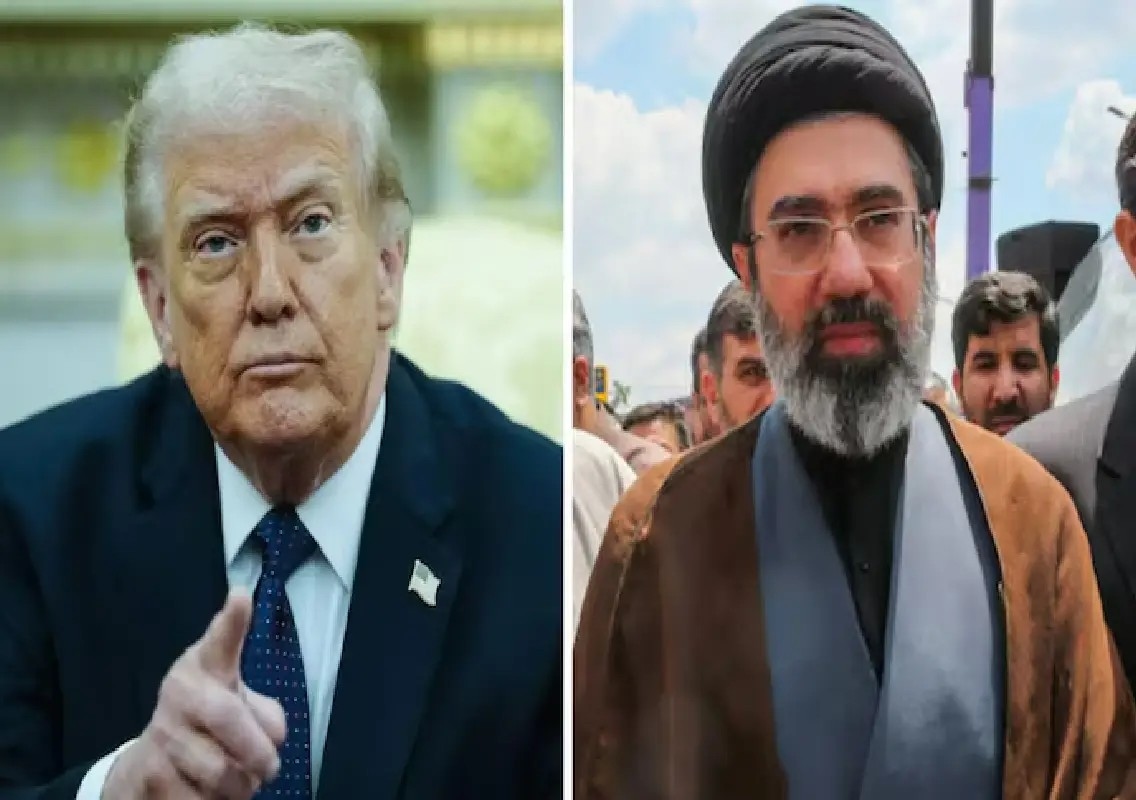


Doha: Iran and the United States concluded two days of indirect technical talks in Qatar on Wednesday, reporting progress in implementing their interim agreement while making little headway on resolving broader issues such as Iran’s nuclear programme and long-term regional security.
The discussions focused primarily on restoring maritime traffic through the Strait of Hormuz and facilitating access to Iran’s frozen assets, both of which form part of the memorandum of understanding (MoU) signed last month to halt hostilities and pave the way for wider negotiations.
Progress reported on interim agreement
Iranian Deputy Foreign Minister Kazem Gharibabadi, who led Tehran’s delegation, confirmed that the latest round of negotiations had concluded.
According to Iranian state media, the talks centred on implementing the provisions of the Iran-US memorandum of understanding. Gharibabadi said both sides agreed to establish a communication mechanism to report and discuss any violations of the agreement.
He also announced that part of Iran’s $6 billion in frozen assets would be made available, enabling Tehran to purchase goods based on the country’s domestic requirements.
Despite the positive tone from both delegations, neither side indicated that major differences over Iran’s nuclear programme or sanctions had been resolved.
Indirect negotiations through mediators
The discussions were held indirectly, with Iranian and American delegations meeting in separate rooms while mediators conveyed messages between the two sides.
Qatar and Pakistan facilitated the negotiations.
Gharibabadi stated that there were no direct meetings between Iranian and US officials during the talks.
US Special Envoy Steve Witkoff and Jared Kushner travelled to the region ahead of the negotiations but reportedly did not participate in the technical discussions. Instead, they met senior Qatari officials before the talks commenced.
Strait of Hormuz remains a priority
A key focus of the Doha talks was ensuring the continued reopening and safe navigation of the Strait of Hormuz, one of the world’s most strategically important maritime routes for oil and liquefied natural gas exports.
Commercial shipping has resumed following last month’s ceasefire agreement, although uncertainty remains after recent military exchanges between Iran and the United States.
Reports indicate that Iran is seeking broader international recognition of its authority over the waterway and plans to introduce tolls for commercial shipping once the toll-free period under the interim agreement expires in mid-August.
Meanwhile, Iranian state media reported that a foreign container ship had recently run aground after straying outside the designated shipping channel, underlining the continuing operational challenges in the region.
Washington backs continued diplomacy
Senior US officials reiterated that diplomacy remains the preferred approach.
Vice President JD Vance described the negotiations as progressing well but cautioned that future developments would depend on Iran’s actions.
He said the current discussions were centred on ensuring the free movement of commercial shipping through the Strait of Hormuz, while more complex issues such as Iran’s nuclear programme would be addressed in subsequent rounds.
US President Donald Trump also expressed optimism, stating that efforts towards the denuclearisation of Iran were moving in a positive direction and that recent meetings had been constructive.
Next round after Khamenei’s funeral
Qatar’s Foreign Ministry described the discussions as showing “positive progress” in implementing the interim agreement and said the next round of talks would take place after the funeral of Iran’s late Supreme Leader Ayatollah Ali Khamenei, scheduled for July 9.
The current negotiations are part of a 14-point interim accord reached last month following weeks of conflict involving Iran, the United States and Israel.
While the agreement succeeded in halting hostilities and reopening the Strait of Hormuz, significant issues remain unresolved, including Iran’s nuclear programme, sanctions relief and long-term regional security arrangements.
Diplomats from both sides hope the next phase of negotiations will build on the progress made in Doha and help maintain stability in a region that remains vital to global energy markets.