







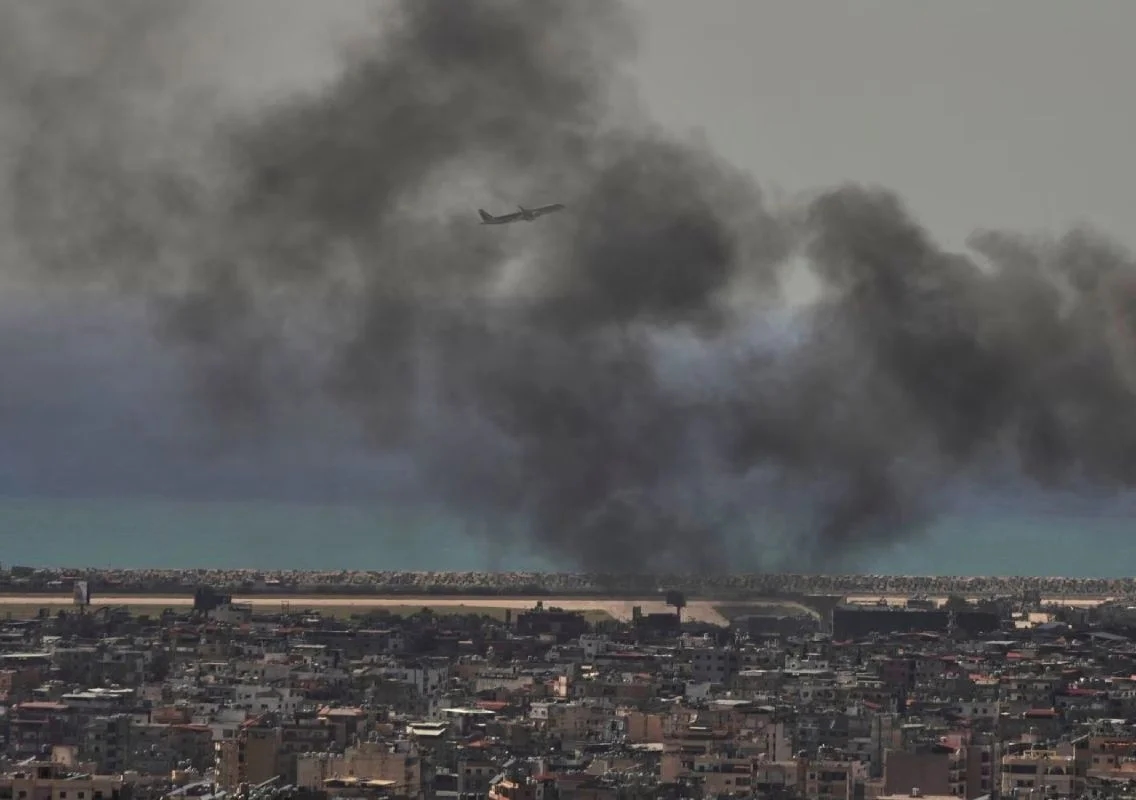


Dubai: The ongoing conflict involving Iran, Israel, and the United States has intensified, with reports indicating disruptions in the critical Strait of Hormuz and rising concerns over global energy supplies.
Amid escalating hostilities, Iran has warned it will show “zero restraint” if its energy infrastructure is targeted again, signalling a dangerous phase in the conflict.
Strait of Hormuz disruption raises alarm
The Strait of Hormuz, a vital global oil transit route, has reportedly faced partial blockages, severely impacting the movement of oil tankers. Shipping sources suggest that vessels are being offered “safe passage” at a steep cost of up to $2,000,000, raising fears of a supply shock in global energy markets.
Any prolonged disruption in this narrow waterway could have far-reaching consequences, particularly for oil-dependent economies like India.
Escalation of strikes across the region
Overnight, multiple strikes were reported across key locations. Explosions were heard in Tehran and Jerusalem, with air raid sirens activated as missile exchanges intensified.
Israeli Prime Minister Benjamin Netanyahu stated that Israel had independently targeted Iran’s South Pars gas field, one of the world’s largest natural gas reserves.
In response, Iran launched retaliatory strikes on regional energy facilities, including sites linked to liquefied natural gas exports.
Iran signals stronger retaliation
Iran’s Foreign Minister Abbas Araghchi said the country had so far used only a “fraction” of its military capabilities, warning that further attacks on its infrastructure would trigger a significantly stronger response.
The escalation has already begun to affect global gas markets, with fears that disruptions could spread to Europe and Asia.
Rising casualties and humanitarian concerns
The human cost of the conflict continues to mount. Iranian authorities have reported over 1,400 deaths, including hundreds of children, while casualties have also risen in Lebanon due to Israeli strikes.
The situation has raised serious humanitarian concerns, with international bodies urging restraint to prevent further civilian losses.
Global reactions and war funding
The European Council has called for immediate de-escalation, warning of a broader regional crisis if tensions continue to spiral.
Meanwhile, the US administration under Donald Trump is reportedly seeking $200 billion in funding from Congress to sustain prolonged military operations, signalling expectations of a long-drawn conflict.
Regional spillover risks
Several Gulf nations, including Saudi Arabia and Bahrain, have intercepted drones amid heightened alert levels. Reports also suggest that authorities in the UAE have detained individuals linked to Iran-backed networks, reflecting growing regional instability.
Conclusion
With tensions escalating rapidly and critical energy infrastructure under threat, the Iran-US-Israel conflict is entering a volatile phase with global implications. The disruption in the Strait of Hormuz and rising oil prices could have significant economic consequences worldwide, even as diplomatic efforts to de-escalate remain uncertain.