







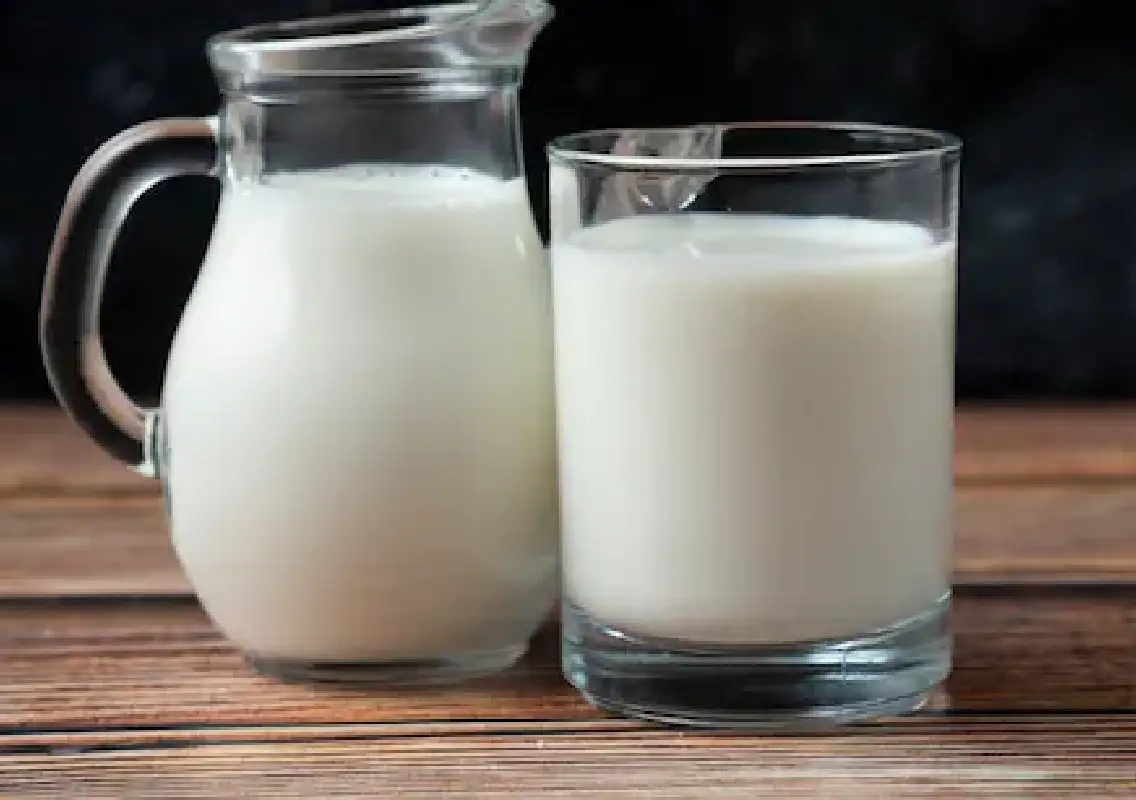


A tragic case in the United States, where a newborn died from a severe bacterial infection believed to be linked to the mother’s consumption of raw, unpasteurised milk during pregnancy, has reignited urgent public health warnings.
Health officials in New Mexico said the infant was infected with Listeria, a dangerous bacterium commonly associated with unpasteurised dairy products. While investigators could not conclusively establish the exact source, authorities said raw milk was the most likely cause.
Listeria: a silent but deadly risk
According to the World Health Organization, Listeria monocytogenes can cause mild or even unnoticed illness in pregnant women, but can cross the placenta and result in miscarriage, stillbirth, premature delivery or fatal infection in newborns.
The Centers for Disease Control and Prevention states that pregnant women are nearly 10 times more likely to contract listeriosis than other healthy adults, and that one in six cases occurs during pregnancy.
Raw milk trend worries doctors
Raw milk has gained popularity in some communities due to social media claims promoting “natural” diets. However, medical experts warn that raw milk can carry harmful bacteria such as Listeria, Salmonella, E. coli and Campylobacter, all of which can cause severe illness.
Between 1998 and 2018, the CDC documented over 200 outbreaks linked to raw milk in the US alone, resulting in thousands of illnesses and numerous hospitalisations.
Pasteurisation saves lives
Pasteurisation — heating milk to destroy harmful microbes — has been used for over a century and does not significantly reduce milk’s nutritional value. Leading medical bodies, including paediatric and obstetric associations, confirm that pasteurised milk provides the same nutrients without the risks.
Health experts strongly advise pregnant women, infants, older adults and immunocompromised individuals to avoid raw milk and products made from it.
A preventable tragedy
Public health officials say the newborn’s death highlights a preventable risk. Choosing pasteurised dairy products remains one of the simplest and most effective ways to protect mothers and babies from life-threatening infections.