







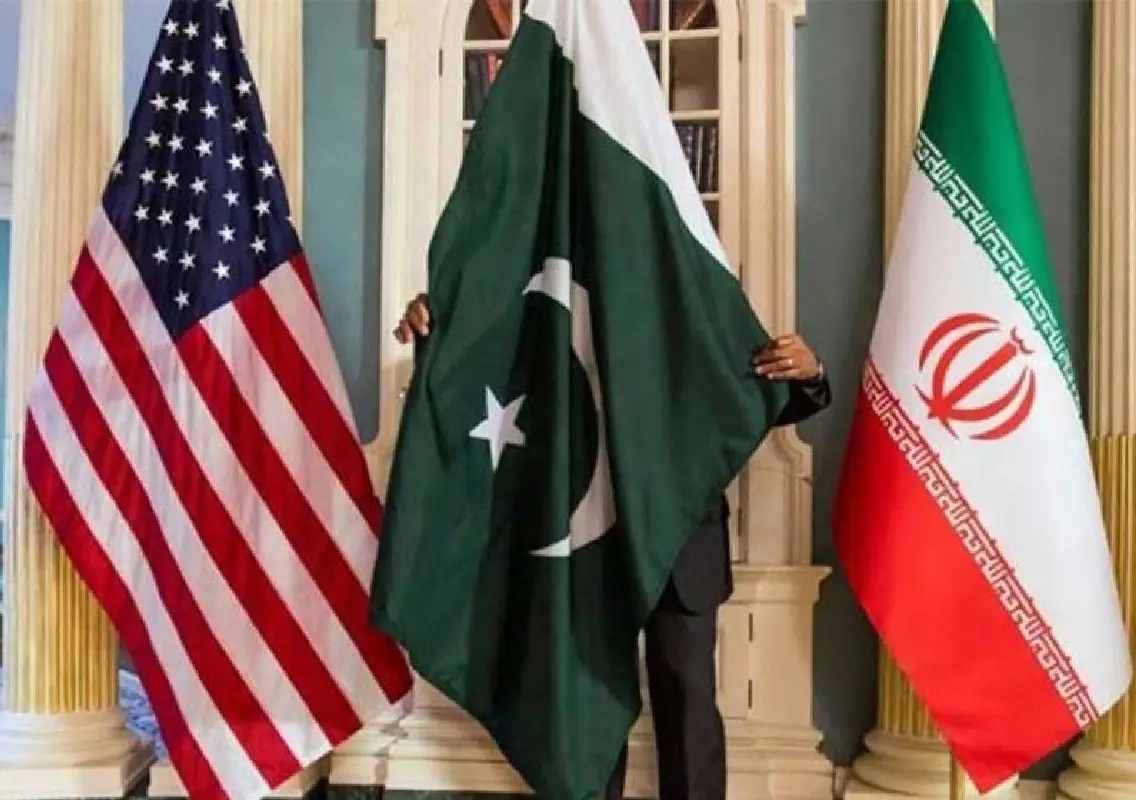


A dramatic overnight diplomatic effort led by Pakistan helped prevent a major escalation in the Iran conflict, securing a temporary ceasefire just hours before talks were on the verge of collapse.
According to sources, Pakistan stepped in at a critical moment as tensions surged following an Iranian strike on a Saudi petrochemical facility, which had threatened to derail weeks of back-channel negotiations.
High-stakes diplomacy under deadline pressure
With a deadline set by US President Donald Trump approaching, Pakistani officials launched an intense round of communications between Washington and Tehran.
Trump had earlier warned that continued conflict could lead to catastrophic consequences, adding urgency to the negotiations.
Pakistan engaged directly with top leaders, including US Vice President JD Vance, envoy Steve Witkoff, Iran’s Foreign Minister Abbas Araqchi, and senior officials from multiple countries.
Talks nearly collapse after regional tensions spike
The situation worsened after Iran targeted a Saudi facility in Jubail, reportedly in response to earlier Israeli strikes on Iranian infrastructure.
The incident triggered anger in Riyadh and placed Pakistan in a delicate position, given its defence ties with Saudi Arabia.
Despite expressing strong concern to Tehran, Pakistan continued mediating, urging restraint while seeking assurances from Washington regarding Israeli military actions.
Breakthrough after intense negotiations
After hours of what sources described as “intense” and “breathless” discussions, Iran agreed to a temporary ceasefire without preconditions and consented to enter formal negotiations.
A key breakthrough came after assurances that Israeli strikes would be scaled back, enabling Pakistan to persuade Iran to return to the negotiating table.
Global powers align cautiously
While Israeli officials were reportedly hesitant about the ceasefire, they ultimately supported Washington’s decision. However, the truce does not guarantee a permanent end to the conflict or any immediate lifting of sanctions.
The negotiations will focus on critical issues, including Iran’s nuclear programme, uranium enrichment, and regional security concerns.
Talks set to begin soon
Formal talks are expected to begin shortly, with the US delegation led by JD Vance and including senior officials such as Steve Witkoff.
Iran’s delegation is expected to be led by Abbas Araqchi, along with other senior representatives.
A fragile path to peace
Pakistan’s intervention underscores its growing diplomatic role in regional stability. Prime Minister Shehbaz Sharif urged all parties to honour the ceasefire, calling it a crucial step toward peace.
Despite the breakthrough, analysts caution that the situation remains fragile, with key disagreements—such as control over the Strait of Hormuz—still unresolved.
The coming days are expected to be critical in determining whether the ceasefire evolves into a lasting resolution or remains a temporary pause in a volatile conflict.
#IranConflict #PakistanDiplomacy #GlobalTensions #Ceasefire #WorldNews #newskarnataka