









Islamabad: Pakistan has emerged as a quiet but crucial intermediary in securing the recent two-week ceasefire between the United States and Iran, according to sources familiar with the developments.
The breakthrough came after weeks of backchannel diplomacy, with Pakistan facilitating communication between the two sides at a time when direct engagement remained limited and tensions were escalating.
Backchannel diplomacy at a critical moment
In the final hours before the ceasefire announcement, negotiations intensified, with Pakistani officials working behind the scenes to bridge gaps between Washington and Tehran.
Sources indicated that a small, closely held group in Pakistan handled the talks, maintaining secrecy due to the sensitive nature of the discussions. Despite the tense atmosphere, there remained cautious optimism that a pause in hostilities could be achieved.
Pakistan’s role largely involved relaying messages and proposals between the two sides, helping maintain a channel of communication during a period marked by rising military activity.
Strategic ties with both sides
Pakistan’s involvement is rooted in its unique position of maintaining relationships with both Iran and the United States.
It shares a border with Iran and has long described its ties as “brotherly”, while also maintaining strategic and military relations with Washington. US President Donald Trump has previously expressed confidence in Pakistan’s leadership, including its military establishment.
This dual engagement allowed Pakistan to act as a bridge during a time when trust between the US and Iran remained extremely low.
Tensions threatened talks
The path to the ceasefire was far from smooth. Just days before the agreement, fresh attacks in the region escalated tensions.
Speaking in Parliament, Pakistan’s Foreign Minister Ishaq Dar acknowledged that while there had been optimism, recent military actions had complicated the situation.
Pakistan also expressed concern over attacks involving Saudi Arabia, with its military chief Asim Munir warning that such developments could derail diplomatic efforts.
Analysts believe these statements may have increased pressure on Iran to engage constructively, particularly given Pakistan’s defence ties with Saudi Arabia.
Final push towards ceasefire
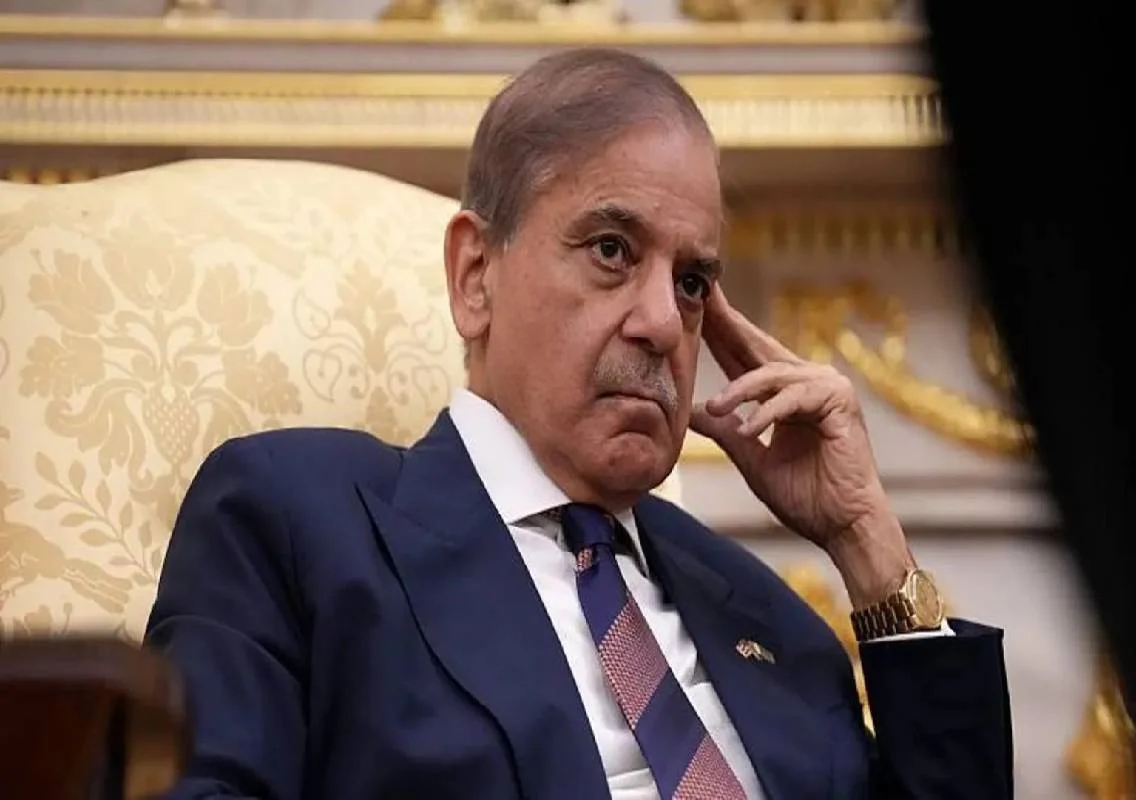
As the situation remained uncertain, Pakistan’s leadership intensified diplomatic efforts. Prime Minister Shehbaz Sharif indicated that discussions were progressing and urged an extension of the negotiation window.
He also called for the reopening of the Strait of Hormuz, a key global oil route, as part of confidence-building measures.
Shortly after, Iran’s ambassador to Pakistan signalled progress, describing the talks as moving beyond a “critical stage”. Within hours, Pakistan announced that a ceasefire agreement had been reached.
The Prime Minister subsequently invited both sides to Islamabad for further negotiations aimed at achieving a long-term resolution.
A fragile pause in hostilities
Despite the breakthrough, officials have cautioned that the ceasefire remains fragile. Deep mistrust continues between the US and Iran, with both sides holding firm positions on key issues.
Sources involved in the process have described the situation as “circumspect”, noting that while violence has paused, the underlying conflict remains unresolved.
Conclusion
Pakistan’s role in facilitating the ceasefire highlights the importance of quiet diplomacy in resolving complex geopolitical conflicts. While the agreement offers temporary relief to global markets and regional stability, its durability will depend on continued dialogue and mutual concessions.
The coming days, including potential talks in Islamabad, will be crucial in determining whether this fragile ceasefire can evolve into a more lasting peace.