









Washington: Conflicting statements from the United States administration and its military command have sparked questions over recent attacks on commercial vessels operated by Indian crews in waters near the Strait of Hormuz. While reports suggest the US Central Command (Centcom) publicly described military action against vessels allegedly linked to sanctions enforcement operations, US President Donald Trump reportedly attributed the attacks to an Iranian drone strike, creating uncertainty over responsibility for the incidents.
The developments have raised concerns in India, particularly because of the large number of Indian seafarers working aboard merchant vessels operating across the Gulf region. The differing accounts have also intensified scrutiny of maritime security in one of the world’s most strategically important shipping corridors.
Contradictory narratives emerge
According to reports, Centcom stated that military action was taken against three commercial tankers operating in the Gulf of Oman. The vessels identified in reports were M/T Jalveer, M/T Settebello and M/T Marivex, all of which were reportedly operated by Indian crews.
Reports further claimed that the vessels were targeted over a four-day period, resulting in casualties among crew members and the rescue of dozens of sailors.
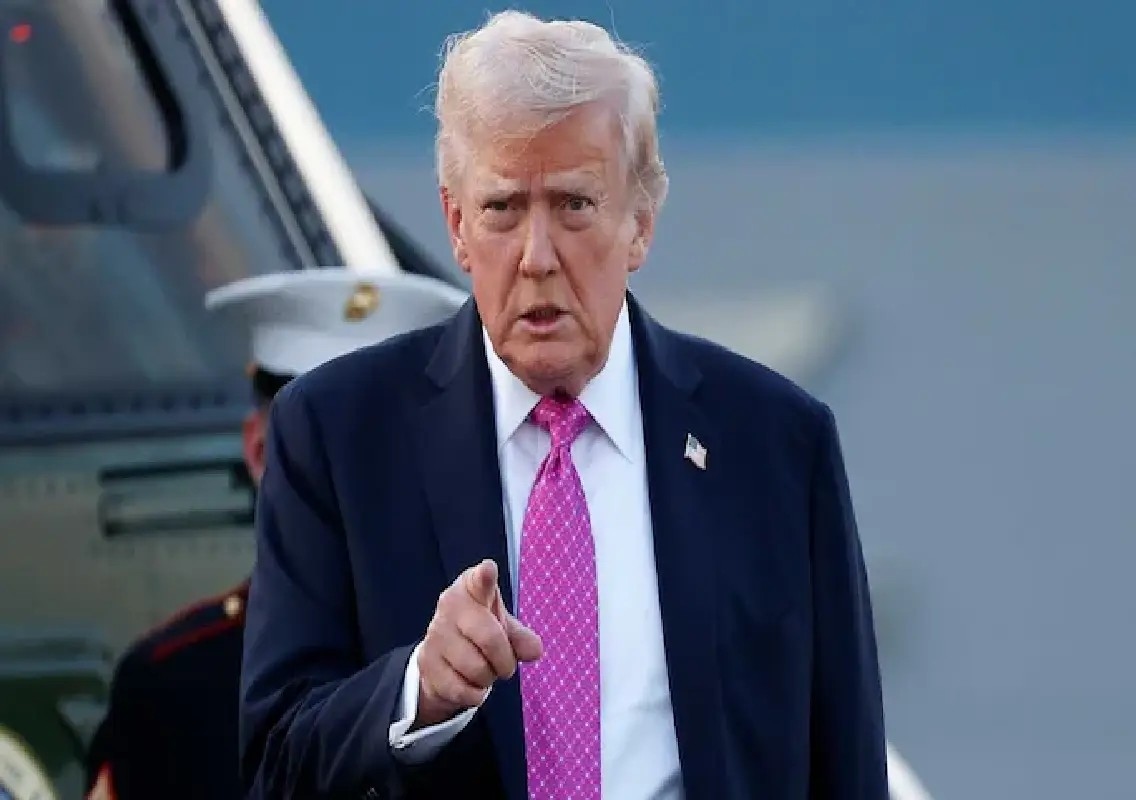
However, a subsequent statement attributed to President Donald Trump reportedly presented a different version of events. In a social media post, the US President allegedly blamed an Iranian drone attack for the strikes on ships carrying Indian crew members.
The differing explanations have fuelled debate over whether both statements referred to the same incidents and why contrasting accounts were presented publicly.
Concerns over safety of Indian seafarers
The reported attacks have drawn attention to the vulnerability of Indian sailors working in the Gulf region.
India has one of the world’s largest seafaring communities, with thousands of Indian nationals employed aboard commercial vessels operating through the Persian Gulf and surrounding waters.
Official estimates cited in reports indicate that hundreds of Indian crew members are currently serving aboard Indian-flagged vessels navigating areas near the Strait of Hormuz. Thousands more work on foreign-flagged ships operating in the same region.
The escalating tensions have prompted concerns regarding the safety of merchant shipping and the risks faced by civilian mariners travelling through conflict-prone waters.
Diplomatic engagement intensifies
Reports indicate that India has stepped up diplomatic engagement with the United States following the incidents.
The Ministry of External Affairs reportedly summoned senior US diplomatic representatives to seek clarification and discuss the safety of Indian crew members operating in the region.
The move came amid growing concerns about attacks on commercial shipping and the broader impact of regional instability on international maritime trade.
Diplomatic sources have stressed the importance of protecting civilian vessels and ensuring that merchant sailors are not caught in military confrontations.
Strategic importance of the Strait of Hormuz
The Strait of Hormuz remains one of the world’s most critical maritime chokepoints, carrying a significant portion of global oil and energy supplies.
Any disruption in the region can have far-reaching consequences for international trade, energy markets and shipping operations.
In recent years, the waterway has witnessed multiple incidents involving commercial vessels, military patrols and geopolitical tensions, making it a focal point of global security concerns.
The latest reports of attacks on ships with Indian crew members have further highlighted the fragile security environment in the region.
Maritime security concerns grow
India’s shipping authorities have reportedly issued advisories to vessels and crew members operating in Gulf waters, urging heightened vigilance and adherence to security protocols.
Industry experts note that uncertainty regarding responsibility for attacks can complicate risk assessments for shipping companies and mariners.
With multiple nations maintaining military assets in the region and tensions remaining high, commercial shipping operators continue to face challenges in ensuring the safety of crew and cargo.
Uncertainty remains
The differing accounts attributed to Centcom and President Trump have left several questions unanswered regarding the circumstances surrounding the reported attacks.
As diplomatic discussions continue and authorities seek further clarity, the focus remains on safeguarding civilian sailors and maintaining freedom of navigation in one of the world’s busiest maritime corridors.
For Indian seafarers working in Gulf waters, the incidents serve as a reminder of the risks associated with operating in regions affected by geopolitical tensions and military activity.