







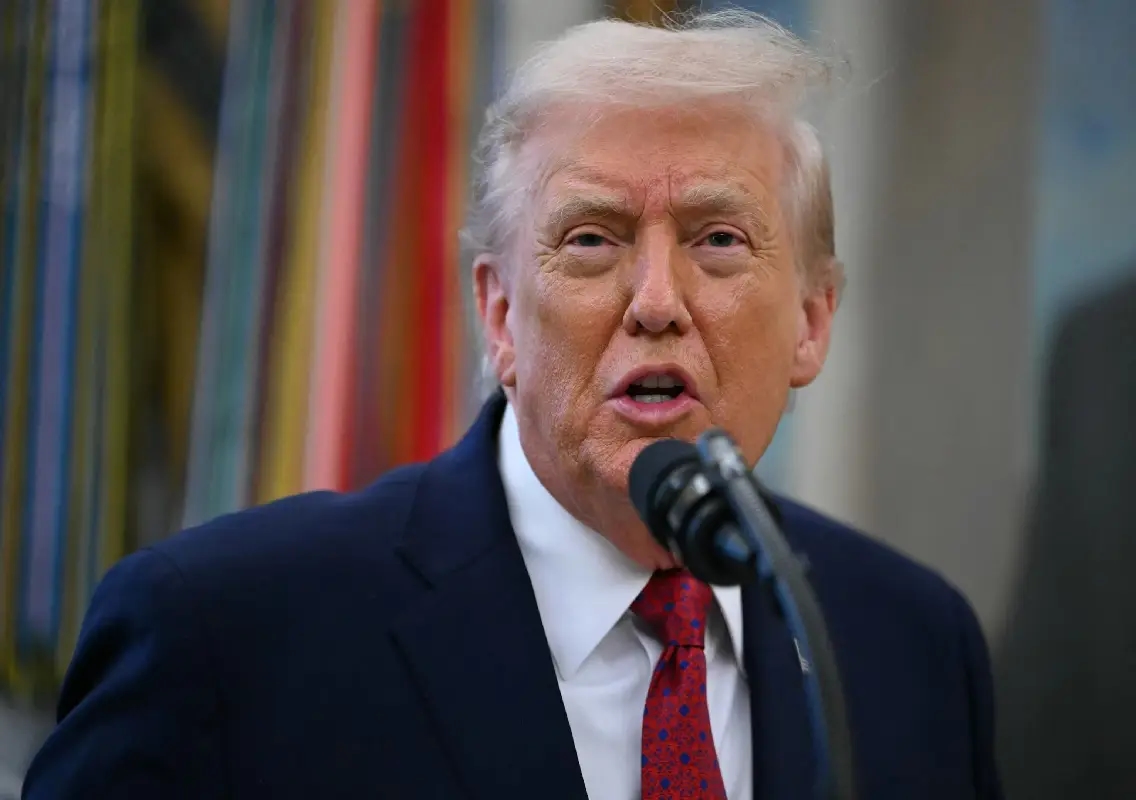


US President Donald Trump on Thursday ordered the suspension of the diversity visa or green card lottery programme, following revelations that the suspect in the deadly shootings at Brown University and the killing of an MIT professor had entered the United States through the scheme.
Order issued after Homeland Security review
The decision was announced by Homeland Security Secretary Kristi Noem, who said she had directed the United States Citizenship and Immigration Services (USCIS) to immediately pause the diversity visa programme at the President’s instruction. Taking to social media platform X, Noem said the suspect “should never have been allowed” to enter the country, describing the case as a failure of the existing system.
According to US authorities, the accused, Claudio Manuel Neves Valente, a 48-year-old Portuguese national, entered the US in 2017 under the Diversity Immigrant Visa Programme, commonly referred to as the green card lottery. He was later granted legal permanent resident status the same year.
Details of the shooting incident
Neves Valente is suspected of carrying out a shooting at Brown University in which two students were killed and nine others were injured. He is also linked to the killing of a Massachusetts Institute of Technology (MIT) professor in a separate incident. Law enforcement officials said the suspect was found dead on Thursday evening with a self-inflicted gunshot wound.
US Attorney for Massachusetts Leah B. Foley confirmed that Neves Valente had obtained lawful permanent residence after entering the country through the diversity visa route. The incidents have sent shockwaves across academic institutions in the United States and renewed debates around campus security and immigration vetting.
What is the diversity visa programme?
The diversity visa lottery was created by the US Congress to encourage immigration from countries that are under-represented in the United States. Under the programme, up to 50,000 green cards are made available every year through a random lottery system.
Applicants are primarily from regions such as Africa, parts of Asia and Eastern Europe. Although selection is random, winners are required to go through background checks, interviews at US consulates, and the same vetting process applied to other green card applicants before being granted entry.
For the 2025 diversity visa cycle, nearly 2 crore people applied worldwide. Of these, just over 1.31 lakh applicants, including family members of primary winners, were selected. Portuguese citizens accounted for only 38 selected slots, highlighting how rare the selection is for applicants from that country.
Long-standing opposition from Trump
President Trump has consistently opposed the diversity visa programme, arguing that immigration should be based on merit rather than chance. During his earlier term, he repeatedly called for ending the lottery system, claiming it posed security risks and did not adequately serve national interests.
Secretary Noem’s announcement marks the most decisive move yet against the programme in Trump’s current administration. Officials indicated that the suspension is indefinite and that a broader review of the programme’s legal framework and security implications is underway.
Critics, however, have pointed out that the lottery programme already involves multiple layers of vetting and that there is no evidence to suggest that participants pose a higher security risk than other immigrants.
Legal challenges likely
The move to suspend the diversity visa lottery is almost certain to face legal challenges. As the programme was created by Congress, experts say that ending or pausing it through executive action could be contested in court.
Immigration advocates and civil rights groups have accused the administration of using tragic incidents to push long-held political goals. They argue that linking violent crime to immigration pathways risks stigmatising lawful immigrants and undermining evidence-based policymaking.
A similar pattern was observed earlier this year when the administration imposed sweeping immigration restrictions on Afghanistan and several other countries after an Afghan national was accused of killing National Guard members in November.
Political and public reaction
While supporters of the decision have welcomed it as a necessary security measure, opponents have warned that suspending the programme could affect thousands of families who rely on the lottery as a legal pathway to the US.
Several lawmakers from the Democratic Party said that campus violence should be addressed through better gun control and mental health interventions rather than immigration rollbacks. Some Republican leaders, however, backed the President, calling the move “long overdue”.
Conclusion
The suspension of the green card lottery marks a significant escalation in President Trump’s immigration agenda, triggered by a high-profile act of violence that has shaken the US academic community. As investigations into the shootings continue, the future of the diversity visa programme now hangs in the balance, with court battles and political debate expected to follow. Whether the move will result in lasting reform or be overturned by legal challenges remains to be seen.