







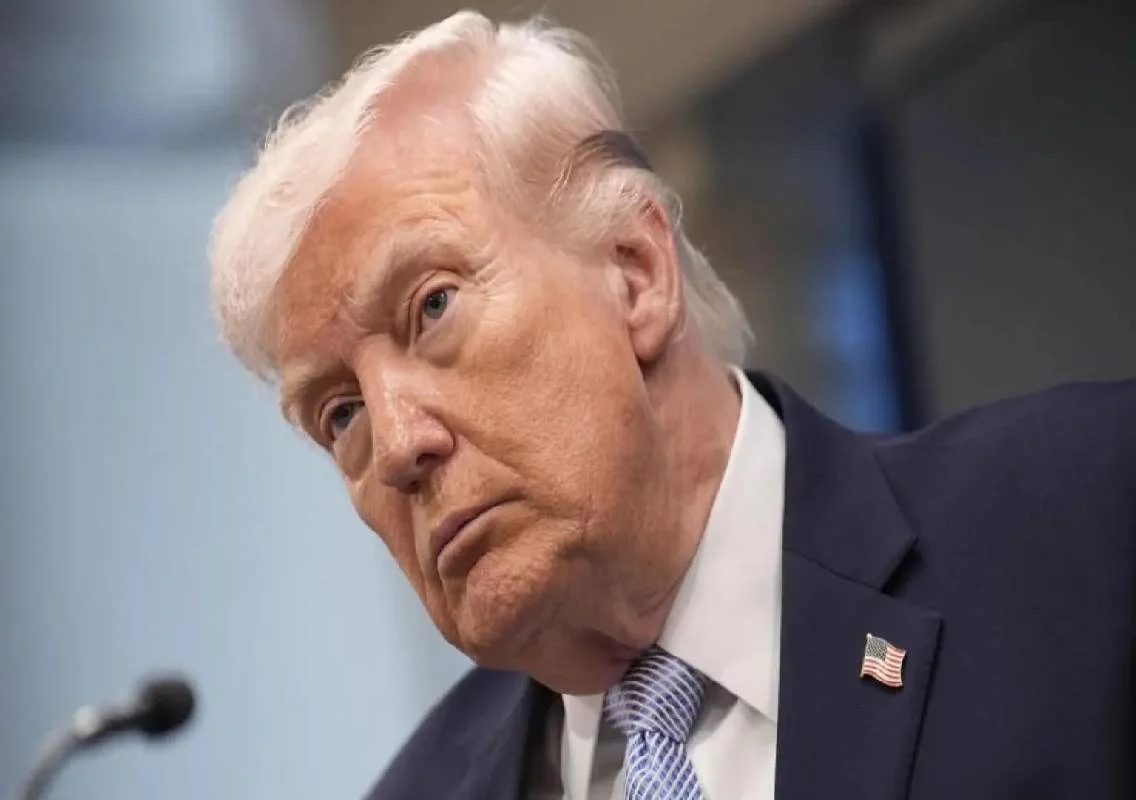


Washington: The recent two-week ceasefire between the United States and Iran has offered temporary relief from escalating tensions, but analysts say it represents only a partial political win for US President Donald Trump—and one that comes with significant risks.
The agreement, announced just hours before a US deadline for potential military escalation, has paused hostilities and opened a narrow window for negotiations. However, questions remain over its sustainability and long-term implications for global stability.
A last-minute diplomatic breakthrough
The ceasefire was reached shortly before a deadline set by Trump, after which the US had warned of major strikes on Iranian infrastructure. The agreement includes a temporary halt in hostilities and the reopening of the Strait of Hormuz, a critical global oil shipping route.
The development helped ease immediate fears of a wider conflict. Global markets responded positively, with oil prices falling below $100 per barrel and equities showing signs of recovery.
However, the deal is conditional, with both sides required to maintain restraint during the negotiation period.
Strategic relief for the US administration
For the Trump administration, the ceasefire offers a strategic pause. It allows the US to step back from a potentially costly military escalation while maintaining pressure on Iran through diplomacy.
The agreement has been framed by the White House as evidence that a firm stance yielded results. Officials argue that the threat of force helped bring Iran to the negotiating table.
At the same time, the ceasefire provides political relief for Trump, who has been facing criticism over economic challenges and rising energy prices.
Controversial rhetoric draws criticism
Despite the diplomatic outcome, Trump’s rhetoric leading up to the ceasefire has drawn sharp criticism both domestically and internationally.
His warnings of severe consequences for Iran were seen by many as unusually aggressive for a US president. Critics, including members of both major political parties, argued that such statements risked escalating tensions rather than easing them.
Prominent US lawmakers publicly distanced themselves from the remarks, calling them counterproductive and inconsistent with established diplomatic norms.
Uncertain path ahead for negotiations
While the ceasefire has created space for dialogue, the road to a permanent agreement remains uncertain.
Iran has outlined conditions for a broader deal, including easing sanctions, changes in US military presence in the region and recognition of its strategic interests. It is unclear how much of this the US would be willing to accept.
Key concerns also remain unresolved, including Iran’s nuclear programme and its influence across the region. These issues are likely to complicate negotiations in the coming weeks.
Global implications and market impact
The ceasefire has already had a noticeable impact on global markets. Oil prices have softened, reducing inflation concerns for major economies, while investor sentiment has improved.
However, analysts caution that this stability could be short-lived if talks fail or tensions flare up again. The Strait of Hormuz remains a sensitive chokepoint, and any disruption could quickly reverse recent gains.
Conclusion
The US-Iran ceasefire represents a temporary de-escalation rather than a lasting resolution. While it offers a short-term political win for Donald Trump, it also highlights the fragile nature of the situation.
The coming weeks will be critical in determining whether this pause in conflict can lead to a durable agreement—or if it is merely a brief reprieve in a prolonged geopolitical standoff.