









Washington: The United States has announced a spending plan for billions of dollars worth of previously frozen Iranian assets, proposing that the funds be used to purchase American agricultural products as negotiations continue on a final agreement aimed at ending the conflict in the Gulf.
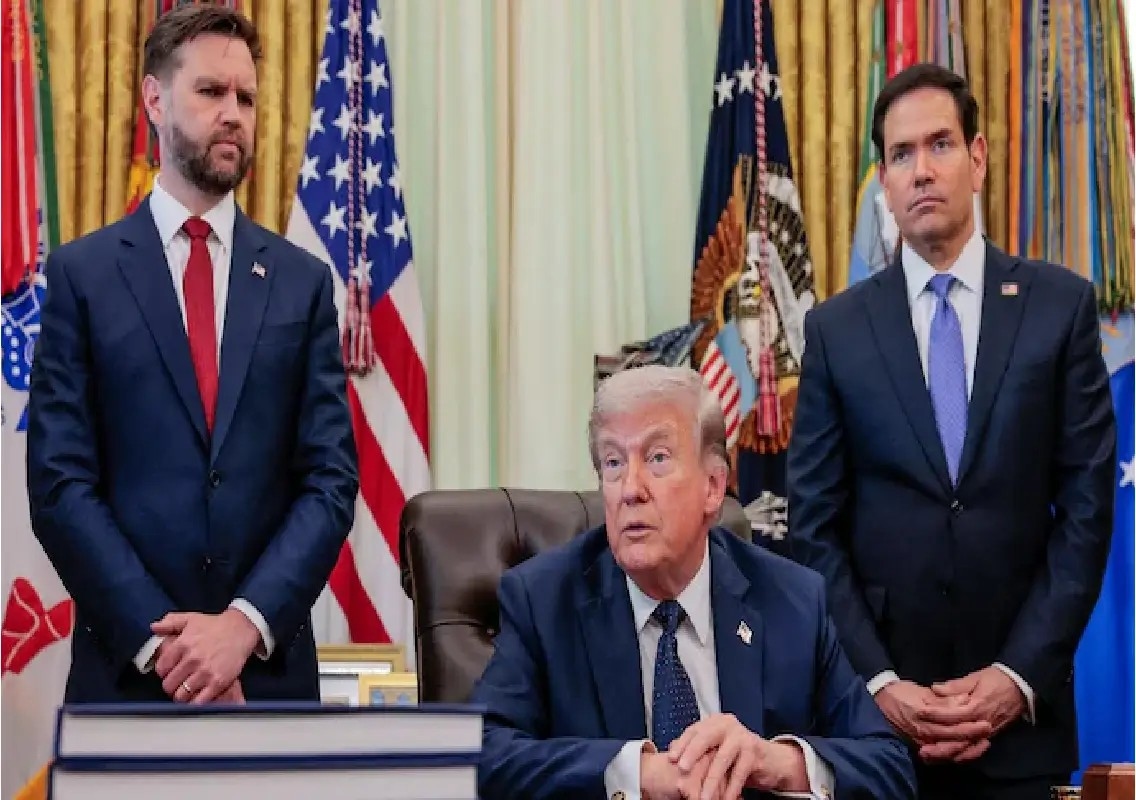
Speaking at the White House on Thursday while signing an agriculture-related executive order, US President Donald Trump said Iran’s overseas assets frozen under US sanctions would be used to buy American products such as wheat, soybeans and corn, which would then be supplied to Iran.
Trump pitches new market for US farmers
Addressing a gathering of farmers, Trump said the proposal would open up a significant new market for American agricultural exports.
“We’re opening up markets for farmers. And we have another one, a new market coming up, and that’s called the lovely country of Iran,” Trump said.
He added that Iran was facing difficulties related to food supplies and that a substantial amount of its frozen assets would be used to purchase agricultural commodities from the United States.
According to reports, the plan could channel nearly $12 billion into the heavily restricted trade relationship between the two countries, which is currently limited mainly to humanitarian goods.
Peace talks underway
The proposal comes as Washington and Tehran continue negotiations following the first round of peace talks held in Switzerland earlier this week.
The talks followed the signing of a US-Iran memorandum of understanding, which envisages the release of $12 billion in frozen Iranian funds, subject to certain conditions.
US Vice President JD Vance defended the proposal, saying that if the assets were unfrozen, the funds would “make American farmers richer and feed the Iranian people.”
Trump later reiterated his position on social media, stating that the released funds and sanctions relief would be placed in escrow under US control and used exclusively to purchase food and medical supplies from the United States.
He described the situation in Iran as a humanitarian crisis and said the proposed arrangement was necessary to help the Iranian people.
Iran rejects US conditions
However, Iran has rejected the US proposal, insisting that the released assets should be used according to its own priorities.
Iranian Foreign Ministry spokesperson Esmaeil Baghaei said the assets would be released and used with complete freedom by Iran to purchase whatever goods or commodities the nation requires.
He added that any agricultural purchases would be determined by price and quality rather than conditions imposed by Washington.
“It is interesting that the philosophy and goal of the war, which was the destruction of Iranian civilisation and the collapse of Iran, has now become enriching American farmers,” Baghaei remarked.
Iran’s ambassador to Geneva, Ali Bahreini, also rejected the US position, stating that Iran alone would decide how to utilise the assets.
Uncertainty over frozen assets
The differing interpretations of the agreement have created uncertainty over how the frozen Iranian funds will ultimately be used and have introduced another potential point of contention in the broader peace negotiations.
The United States and Iran, once close trading partners, have spent the past five decades as geopolitical rivals, with sanctions and diplomatic disputes severely limiting economic ties.
Observers say the latest proposal could potentially revive a limited form of trade between the two countries if an agreement is reached. However, with both sides publicly presenting differing views on the conditions attached to the funds, significant challenges remain before any final arrangement can be implemented.
The issue of the frozen assets is expected to remain a key point in ongoing negotiations between Washington and Tehran in the coming weeks.