







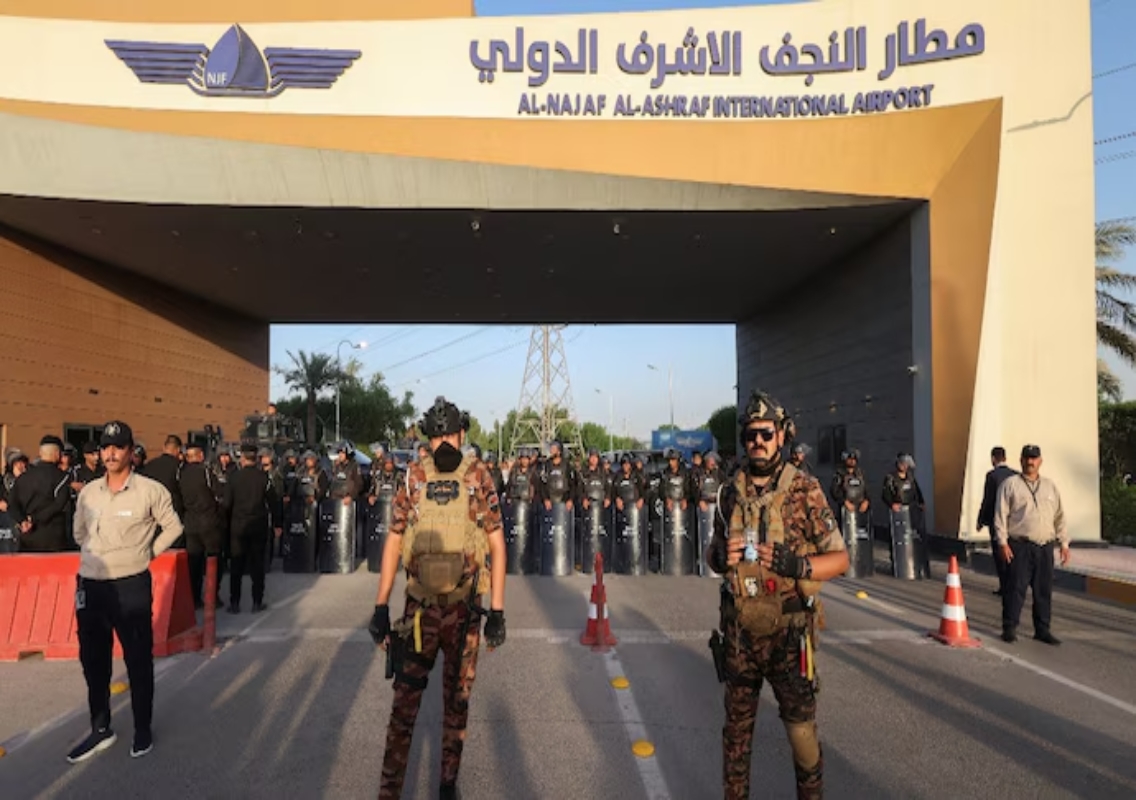


Baghdad: The United States is set to grant a limited waiver from its Iran sanctions programme to allow Iraqi Airways to operate flights carrying Shiite Muslim pilgrims between Iran and the Iraqi city of Najaf, according to Reuters, cited by India Today. The proposed exemption is expected to cover the flights for one month, with the possibility of a longer-term arrangement later.
The move comes after Iraq suspended flights to and from Iran in line with US sanctions, disrupting an important travel route between the two neighbouring countries. The proposed waiver would create a temporary channel for religious travel while Baghdad continues discussions with Washington over wider exemptions.
US considers limited sanctions waiver
According to a person with direct knowledge of the discussions, the US Treasury Department is expected to issue the limited waiver allowing Iraqi Airways to operate flights between Iran and Najaf.
The proposed arrangement would initially last one month. A more permanent exemption could be considered later, depending on the outcome of discussions between the United States and Iraq.
The US State Department referred questions concerning the waiver to the Treasury Department. The Treasury had not immediately provided a public comment at the time of the report.
The exemption is focused specifically on flights between Iran and Najaf and should not be interpreted as a broader suspension or relaxation of the US sanctions regime against Iran.
Iraq seeks exemptions from Washington
Iraq’s government has been seeking exemptions from US sanctions to preserve essential links with Iran.
According to India Today, Iraqi Prime Minister Ali al-Zaidi’s government sought exemptions covering travel between the two countries for medical treatment, education and religious pilgrimage. An Iraqi official said Baghdad was discussing the Najaf exemption with Washington and expected flights to resume within 48 hours.
Iraq has longstanding political, economic, cultural and religious links with Iran while also maintaining relations with Washington. The sanctions affecting Iranian aviation have therefore created a difficult situation for Baghdad.
The proposed waiver would allow Iraq to maintain an important religious travel route while continuing to comply with the wider US sanctions framework.
Safeguards proposed for flights
Iraq has reportedly offered Washington several safeguards to address concerns surrounding the flights.
The measures include strict passenger screening and information sharing between relevant authorities. Baghdad has also assured the US that the flights would not be used to transport weapons, sanctioned individuals or illicit funds.
These safeguards are intended to separate the permitted religious travel from activities that could violate US sanctions.
The proposed arrangement would therefore provide a limited exception while giving US authorities mechanisms to monitor the flights and associated passenger movements.
Why Najaf is important for Shiite pilgrims
Najaf is one of the most important Shiite religious centres in the world and attracts millions of pilgrims every year.
The Iraqi city is home to the shrine of Imam Ali, regarded as the first Shiite leader. It is also home to Wadi al-Salam, a vast Islamic cemetery considered one of the world’s largest and oldest active cemeteries.
Iran and Iraq have extensive religious travel links, with large numbers of Iranian pilgrims visiting Najaf and other Iraqi shrine cities.
The suspension of flights therefore affected more than ordinary commercial aviation. It also disrupted a major religious travel route between the two countries.
Iran’s air links face wider disruption
The proposed waiver comes amid broader disruption to Iran’s international aviation connections following the latest US sanctions.
Countries including Türkiye, the United Arab Emirates and Iraq have cancelled or restricted direct flights involving Iran amid pressure related to the US sanctions regime. Iranian officials have warned that continued restrictions on the country’s air links could lead to further regional aviation disruptions.
Reuters reported that the new US sanctions have affected Iranian airlines and international companies dealing with them, contributing to the suspension of several regional routes. The measures have placed additional pressure on Iran’s already restricted international air connectivity.
The Najaf exemption would consequently represent a narrow exception to the wider restrictions affecting Iranian aviation.
Baghdad balances ties with US and Iran
The issue also reflects Iraq’s position between its two important partners, the United States and Iran.
Baghdad has been seeking to maintain its relationship with Washington while preserving longstanding links with Tehran. Religious travel between Iran and Iraq is particularly sensitive because of the large number of pilgrims who regularly cross the border.
Reuters reported that the proposed waiver is partly aimed at easing pressure on the Iraqi government as it attempts to manage these competing relationships.
The Iraqi government has also offered additional security measures to reassure Washington that the permitted flights would remain limited to legitimate civilian travel.
Flights could resume under temporary arrangement
An Iraqi official said discussions with Washington were continuing and that flights between Iran and Najaf could resume within 48 hours of the exemption being granted.
The initial one-month period would give Iraqi and US authorities an opportunity to assess how the arrangement operates. A longer-term waiver could potentially follow, although no permanent exemption has been announced.
For Iranian pilgrims, the arrangement could restore an important air route to Najaf after the recent suspension. For Iraq, it could provide a way to preserve religious and civilian travel while addressing US concerns over sanctions compliance.
What the proposed waiver means
The proposed US waiver is limited in scope and primarily concerns Iraqi Airways flights between Iran and Najaf. It does not amount to a general easing of US sanctions against Iran.
The arrangement illustrates the challenges facing Iraq as it tries to preserve essential cross-border connections while complying with Washington’s sanctions policy.
For now, the immediate focus is on restoring the Najaf pilgrimage route. The longer-term status of the flights will depend on further discussions between Baghdad and Washington and whether the temporary exemption is extended.