







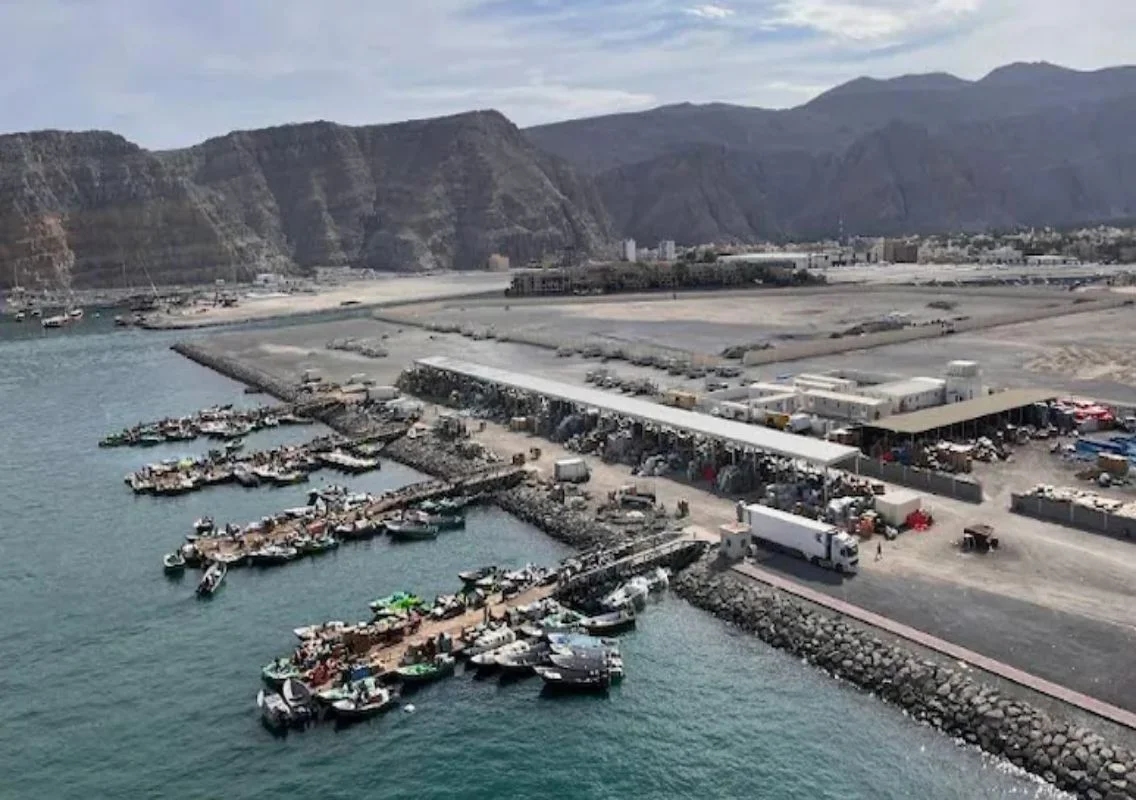


Tehran: The United States has carried out a major strike on Iranian missile installations near the strategic Strait of Hormuz, deploying powerful “bunker buster” bombs in an attempt to neutralise threats to global shipping.
According to the United States Central Command, multiple 5,000-pound (around 2,268 kg) deep penetrator munitions were used against hardened missile sites along Iran’s coastline.
Targeting missile threats to shipping
US Central Command said the strikes were aimed at Iranian anti-ship cruise missile systems that posed a significant risk to international maritime traffic.
“US forces successfully employed multiple 5,000-pound deep penetrator munitions on hardened Iranian missile sites,” the command said in a statement posted on X.
The operation marks the first major US military action intended to reopen the crucial shipping route after Iran blocked access to the strait.
Strait closure triggers global concerns
Iran had earlier shut down the Strait of Hormuz in retaliation for ongoing conflict involving the United States and Israel.
The strait is one of the world’s most critical energy corridors, handling nearly one-fifth of global oil supply. Its closure has disrupted maritime traffic and triggered a surge in global energy prices.
Allies hesitant to join US effort
The US action follows reluctance from key allies, including members of NATO, to support Washington’s call for a coordinated effort to secure the waterway.
US President Donald Trump expressed frustration over the lack of backing, stating that allies had not contributed even limited support such as deploying minesweepers.
Trump maintained that preventing Iran from acquiring nuclear weapons remained a priority, though Iran has consistently denied pursuing nuclear arms, stating its programme is for peaceful energy purposes.
What are ‘bunker buster’ bombs?
The weapons used in the strike are specialised deep penetrator bombs designed to destroy targets buried underground or heavily fortified.
Often referred to as “bunker busters,” these munitions are capable of penetrating hardened structures before detonating, making them effective against missile silos and underground facilities.
While powerful, the 5,000-pound bombs used in this operation are smaller than the 30,000-pound variants previously deployed by the US against Iranian nuclear-related targets.
Escalating regional tensions
The latest strikes signal a further escalation in tensions in West Asia, with the conflict increasingly impacting global trade and energy markets.
With the Strait of Hormuz remaining a focal point, the situation continues to carry significant geopolitical and economic implications worldwide.
Conclusion
The US strike on Iranian missile sites underscores the strategic importance of the Strait of Hormuz and the growing risks to global energy security. As tensions deepen and allies remain divided, the path forward remains uncertain, with potential consequences far beyond the region.