







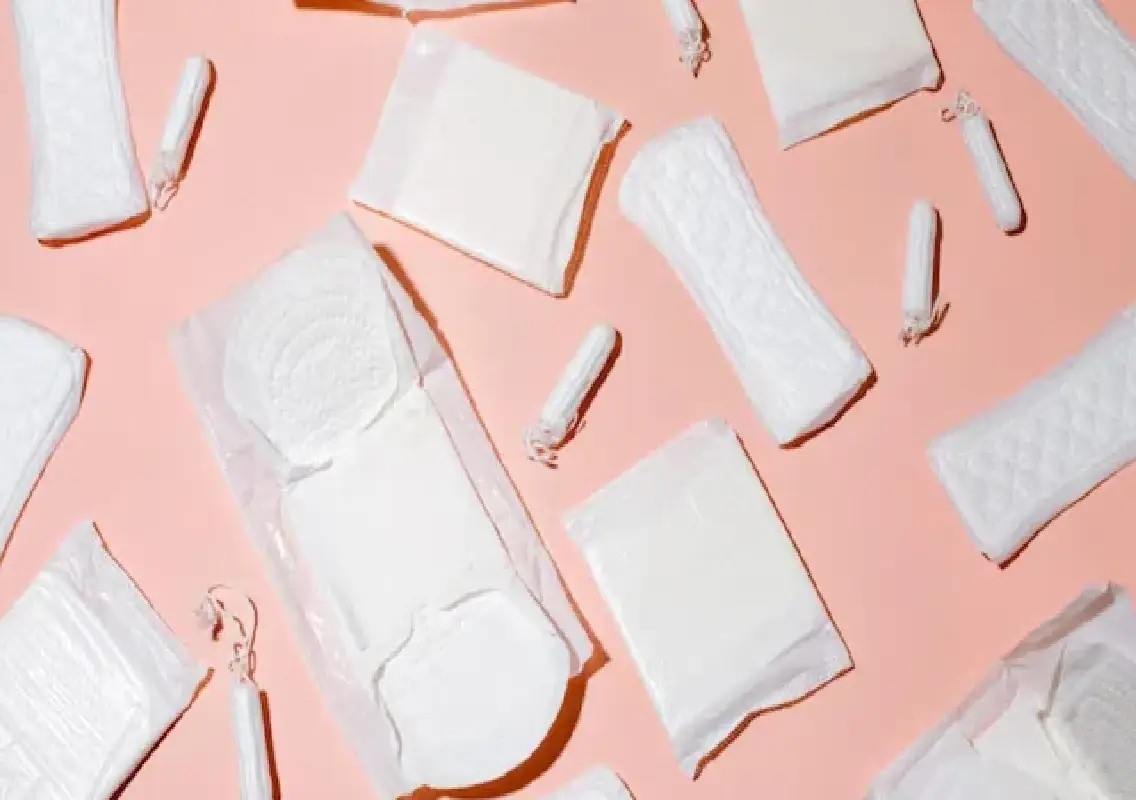


New Delhi: Women’s menstrual care is increasingly evolving beyond basic absorbency and leak protection, with healthcare experts urging consumers to pay closer attention to the materials and ingredients used in sanitary products. Doctors say growing awareness about dermatologically tested pads, breathable materials and fragrance-free formulations is influencing purchasing decisions, while innovations incorporating botanical ingredients such as Moringa oleifera are also gaining attention.
Medical professionals emphasise that menstrual products remain in prolonged contact with intimate skin, making comfort and skin health important considerations alongside protection against leaks.
Focus shifts to skin health
According to Dr Alpna Kansal, President of the Indian Medical Association (IMA), Ghaziabad, women spend nearly a quarter of their reproductive years menstruating, making it essential to choose sanitary products that are gentle on the skin as well as highly absorbent.
She noted that sanitary pads made with breathable materials and skin-friendly ingredients may help improve comfort, especially during prolonged use. However, she stressed that maintaining proper menstrual hygiene by changing pads regularly remains equally important.
Doctors say prolonged exposure to moisture, heat and friction during menstruation can increase the likelihood of skin irritation, making product quality an important factor for many users.
Growing interest in botanical ingredients
One of the latest developments in menstrual care is the use of Moringa oleifera, commonly known as drumstick or sahajan, in sanitary pads.
Long recognised in Ayurveda for its nutritional and medicinal value, moringa contains vitamins, antioxidants and several plant-based compounds that have attracted scientific interest in recent years.
A 2024 review published in Frontiers in Pharmacology highlighted that moringa contains carotenoids, tocopherols, flavonoids, phenolic acids and vitamins, while also citing evidence of its antioxidant, anti-inflammatory and antimicrobial properties.
Manufacturers have begun incorporating moringa extracts into the top layer of sanitary pads with the aim of combining botanical skincare benefits with modern absorbent technology.
Hygiene remains the priority
Despite the introduction of newer materials and botanical ingredients, doctors caution that no sanitary product can replace good menstrual hygiene practices.
Dr Kansal emphasised that while products containing botanical ingredients may enhance comfort for some users, women should continue changing sanitary pads at regular intervals, maintain personal hygiene and consult a doctor if they experience persistent irritation, unusual discharge or other concerning symptoms.
She said these basic practices remain the foundation of good menstrual health regardless of the type of sanitary product used.
Breathable, fragrance-free products gaining preference
Healthcare professionals say another emerging trend is the growing preference for breathable sanitary pads that allow water vapour to escape while continuing to provide effective leak protection.
According to Dr Richa Singhal, Senior Consultant in Obstetrics and Gynaecology at Cloudnine Hospital, Delhi, consumers are becoming increasingly aware of product ingredients rather than focusing only on absorbency or pad size.
She advised women to read product labels carefully and choose dermatologically tested sanitary pads made with quality materials, breathable construction and without unnecessary fragrances, particularly if they have sensitive skin.
Doctors note that fragrances and certain additives may trigger discomfort or allergic reactions in some individuals, making simpler formulations a preferred choice for those with sensitive skin.
Importance of intimate hygiene
Experts also advise women to avoid using harsh soaps for intimate hygiene during menstruation.
Dr Singhal recommended using products specifically formulated to maintain the natural pH balance of the external intimate area only when necessary, as excessive cleansing or harsh chemicals may disrupt the skin’s natural protective barrier.
Maintaining cleanliness, wearing breathable clothing and changing sanitary products regularly are considered key measures for reducing the risk of irritation and maintaining overall menstrual health.
Informed choices encouraged
Medical professionals say increasing awareness among consumers is encouraging manufacturers to improve product quality and transparency regarding ingredients and materials.
They stress that while innovations such as breathable fabrics and botanical extracts may enhance comfort, women should select menstrual products based on their individual needs, skin sensitivity and medical advice where required.
Experts conclude that combining high-quality sanitary products with proper menstrual hygiene practices remains the most effective approach to ensuring comfort, skin health and overall well-being during menstruation.