Showing 20 of 232 posts • Page 4 of 12
Drone incidents near key European sites are raising security fears, with officials warning of a possible new threat linked to the Russia-Ukraine war.
A new study suggests genetic changes linked to blood cancer progression can appear years before symptoms, opening the door to earlier diagnosis and treatment.
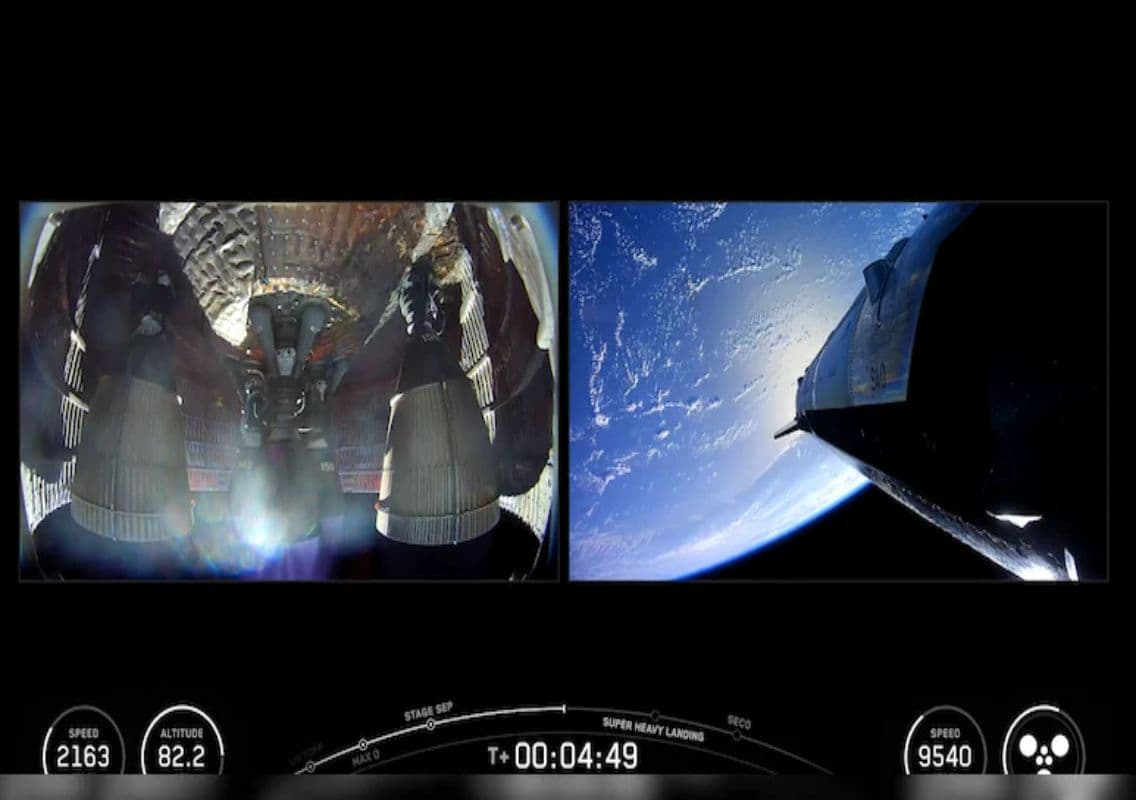
SpaceX successfully completes its first post-IPO Starship test, deploying satellites and achieving its softest splashdown yet despite minor glitches.
NASA astronaut Anil Menon and two Russian cosmonauts have successfully reached the International Space Station aboard the Soyuz MS-29 spacecraft.
The US FDA has approved Eisai and Biogen’s weekly self-injection for early Alzheimer’s, allowing eligible patients to begin treatment at home.
Scientists are using specially designed bee hotels to protect solitary bees and boost biodiversity as natural nesting habitats continue to disappear.
Several pesticides restricted or banned in other countries continue to be used in India, raising concerns over food safety, public health and regulation.
A new study suggests trees may not absorb and store as much carbon as expected, raising concerns about forests’ role in fighting climate change.
New surveys reveal Tamil Nadu’s forests and grasslands are sheltering rare vultures and threatened birds found in few other parts of India.
Researchers in Japan have developed a unique method to convert discarded udon noodles into biodegradable paper-like sheets, helping tackle food waste.
Scientists are closely monitoring the Pacific Ocean after temperatures crossed a key threshold signalling the possible return of El Nino.
A new UN report warns that the rapid growth of artificial intelligence could double energy demand and place significant pressure on global resources.
A strong solar storm triggered by a massive eruption from the Sun could bring spectacular auroras and minor disruptions to communication systems.
Scientists are monitoring an unprecedented marine heatwave after Atlantic waters off France warmed by nearly 7°C in just one week.
While adult June bugs are mostly a nuisance around lights, their underground larvae can cause serious damage to lawns, gardens and ornamental plants.
Scientists have discovered that blister beetle larvae mimic floral scents to lure bees, marking the first known case of an animal imitating a flower’s smell.
A new study reveals that simply planting more trees may not be enough to combat urban heat, with smarter green space design proving more effective.
A new study suggests humans became strongly right-handed due to upright walking and the evolution of larger brains.
Researchers found that storing mangoes at 12°C can significantly slow ripening, reduce spoilage, and preserve fruit quality during transport.